Oil prices surge as Trump rejects Iran's peace terms


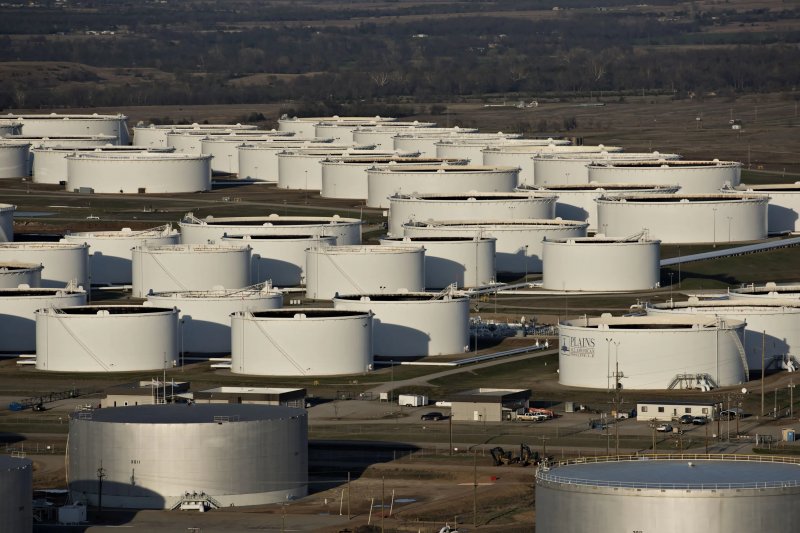
Oil prices climbed in Asian trading on Monday after US President Donald Trump rejected Iran’s conditions for ending the ongoing war in the Middle East, while global stock markets showed a mixed performance, News.Az reports, citing AFP.
Trump’s rejection of Iran’s response to his latest peace proposal increased concerns that the conflict could escalate further, raising the risk of disruptions to oil supplies passing through the Strait of Hormuz, a critical global energy route.
“I have just read the response from Iran's so-called ‘Representatives.’ I don't like it -- TOTALLY UNACCEPTABLE!” Trump said, signaling a hardened US stance. He is expected to travel to China this week, where the conflict is likely to be a key topic in discussions.
RECOMMENDED STORIES
On the Iranian side, President Masoud Pezeshkian said on X on Sunday: “We will never bow down to the enemy, and if there is talk of dialogue or negotiation, it does not mean surrender or retreat.”
Market analysts warned that the breakdown in diplomatic momentum could prolong instability. Lloyd Chan of Japan’s MUFG bank said, “President Trump's swift rejection of these counter-demands underscores the wide gulf between both sides, pointing to a risk of prolonged uncertainty rather than rapid de-escalation.”
He added, “For oil markets, this suggests a persistent geopolitical risk premium as Hormuz disruptions drag on.”
Equity markets were mixed across Asia. Japan’s Nikkei index fell 0.4 percent, and Hong Kong’s Hang Seng dropped 0.34 percent. In contrast, South Korea’s Kospi surged four percent, supported by gains in technology stocks.
In Tokyo, shares of Nintendo plunged nearly 10 percent after the company warned on Friday about weaker profits and announced a price increase for its upcoming Switch 2 console.
Meanwhile, US Treasury Secretary Scott Bessent was scheduled to visit Japan and South Korea ahead of a major US-China summit between President Donald Trump and Chinese President Xi Jinping. Beijing confirmed on Monday that the summit would take place from Wednesday to Friday.
In Japan, Bessent is expected to meet Prime Minister Sanae Takaichi on Tuesday, with discussions likely to include Japan’s recent currency interventions aimed at supporting the yen.
In South Korea, Bessent said he would meet Chinese Vice Premier He Lifeng.
“Economic security is national security,” Bessent wrote on X.
Trade tensions between Washington and Beijing have eased somewhat after both sides imposed tit-for-tat tariffs last year, followed by a one-year trade truce agreed by Trump and Xi in October in South Korea.
By Nijat Babayev


Similar news