High-stakes Musk lawsuit against OpenAI reaches jury phase


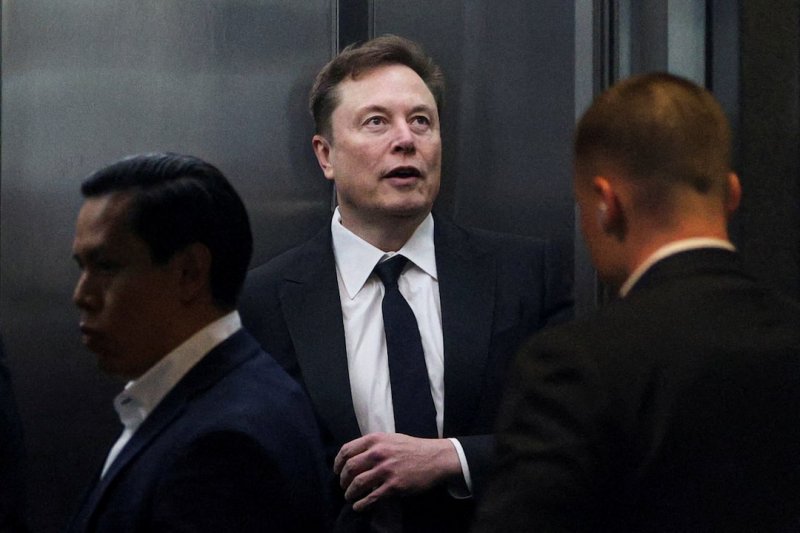
Deliberations begin on Monday in the high-profile trial between Elon Musk and AI company OpenAI, led by CEO Sam Altman, News.Az reports, citing AFP.
Musk accuses OpenAI of abandoning its founding mission.
The three-week trial in Oakland, outside San Francisco, has featured testimony from multiple Silicon Valley figures. Musk argues that OpenAI’s shift from a nonprofit structure to a profit-driven enterprise violated its original mission.
The world’s richest person is suing OpenAI over its transformation from a small nonprofit research group into a company valued at around $850 billion, best known for ChatGPT.
RECOMMENDED STORIES
If Musk succeeds, the lawsuit could significantly impact OpenAI, which played a central role in launching the modern artificial intelligence boom with the release of ChatGPT in 2022 and is now among the world’s most valuable private companies.
Musk claims that Altman and co-founder Greg Brockman improperly used a $38 million donation he says was intended to support OpenAI as a nonprofit research laboratory focused on developing artificial intelligence for the benefit of humanity.
For the nine-member jury, as Judge Yvonne Gonzalez Rogers noted, the case may ultimately come down to a question of credibility: which of the competing billionaires to believe.
“A non-profit devoted to the safe development of artificial intelligence, open sourced as practical, for the benefit of humanity. You know, we’re supposed to buy that,” Musk attorney Steven Molo said in closing arguments on Thursday, criticizing Altman’s credibility.
OpenAI attorney Sarah Eddy countered with criticism of Musk.
“Even the people who work for him, even the mother of his children, can’t back his story,” she said, referring to Shivon Zilis, a business associate of Musk with whom he has four children, who testified about acting as an intermediary between the tech executives.
Musk left OpenAI in 2018 and has since pursued artificial intelligence projects through his rocket company SpaceX, while his AI startup xAI has struggled to gain traction compared with OpenAI and Anthropic, another prominent California-based AI firm.
Closing arguments focused heavily on Altman’s credibility and internal disputes that reportedly strained relationships among colleagues.
Altman was abruptly fired in November 2023 by OpenAI’s board for alleged lack of candor, but was reinstated after employee pressure. However, allegations of manipulation and a toxic workplace culture followed him throughout the trial.
The jury must first decide a threshold question: whether Musk, who filed the lawsuit in 2024—four years after his last contribution—did so within the legal time limit. If not, the case ends there.
The judge ruled that the jury’s conclusion on this issue would be advisory, though she said she would likely follow its recommendation.
If the case proceeds further, jurors—and ultimately the judge—will determine whether OpenAI’s co-founders misused Musk’s $38 million donation and broke a promise to him by shifting toward a commercial model intended to generate profits.
Musk is seeking to force OpenAI to revert to its nonprofit structure, a move that would block its planned IPO and unwind relationships with major investors, including Microsoft, Amazon, and SoftBank, which have collectively invested billions into the company during the global AI race.
The jury will also consider whether Microsoft, OpenAI’s largest private backer with $13 billion committed, knowingly facilitated OpenAI’s shift away from its original nonprofit structure.
By Nijat Babayev


Similar news