Honduras election crisis deepens amid protests


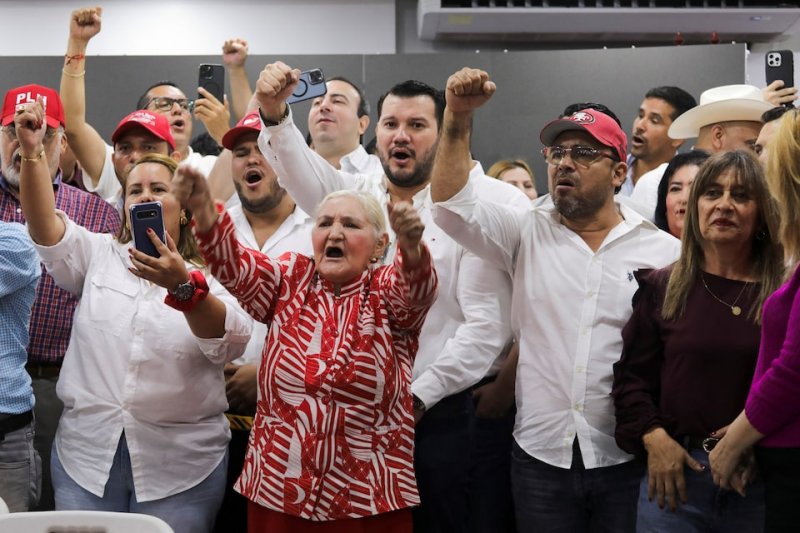
A political crisis is escalating in Honduras as a congressional panel warned it will not validate the results of the Nov. 30 presidential election, alleging an “electoral coup” and foreign interference. The warning comes as the vote count enters its 11th day with no final update for more than 24 hours.
Although the ruling leftist LIBRE party has no path to victory, it has thrown its support behind Liberal Party candidate Salvador Nasralla, who also claims fraud and says he won the election, News.Az reports, citing Reuters.
In a statement on Wednesday, the permanent commission of Congress condemned what it called “an ongoing electoral coup” and accused U.S. President Donald Trump of interfering in the process. The panel’s declaration adds pressure but may not be enough to annul the vote, as results must be validated by two of the three members of the National Electoral Council.
Political analyst Henry Salinas said Congress will only be involved if the Council fails to validate the results by Dec. 30. “For now, the ball is in the National Electoral Council’s court,” he noted.
Tension rose further after Tuesday’s update showed National Party candidate Nasry Asfura leading Nasralla by about 40,000 votes with more than 99% of ballots counted. LIBRE’s candidate, Rixi Moncada, trailed in third place. However, inconsistencies in roughly 15% of tally sheets require review — enough to potentially change the outcome.
President Xiomara Castro of LIBRE has denounced the process, sparking protests in Tegucigalpa, where hundreds of supporters demanded a rerun of the election.
Meanwhile, Trump publicly backed Asfura and warned there would be “hell to pay” if the preliminary results were overturned. He also pardoned former Honduran President Juan Orlando Hernández — from Asfura’s National Party — shortly before the vote.
The Organization of American States urged authorities to accelerate the count and ensure full transparency. “It is essential that the CNE carry out its work without pressure,” the OAS said, warning against actions that could disrupt public order during the final stages of the process.


Similar news