Hormuz transit after war subject to Iran’s security protocols, says defence official


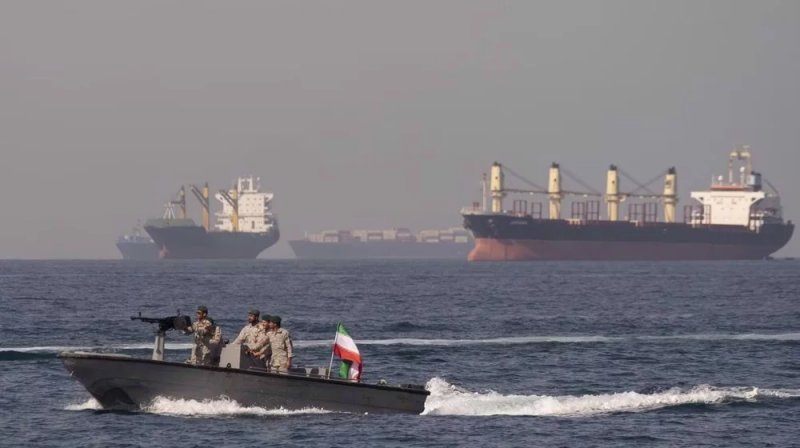
An Iranian deputy defence minister has said the country could allow passage through the Strait of Hormuz in the Persian Gulf after the conclusion of what he described as US-Israeli “aggression”, provided that security protocols are in place to safeguard Iran’s interests.
Brigadier General Reza Talaei-Nik told a meeting of defence ministers of the Shanghai Cooperation Organization in Bishkek, Kyrgyzstan, on Tuesday that Iran is aware of international concerns over current restrictions on transit through the strategic waterway, News.Az reports, citing Press TV.
He said the restrictions were a response to US-Israeli attacks on Iran, which he said began in late February and ended with a ceasefire on April 8.
RECOMMENDED STORIES
Talaei-Nik added that Iran would permit commercial shipping through the Strait, an essential route for global oil and gas trade, if hostilities end permanently.
“Allowing the smooth transit of commercial ships will be on the agenda after the end of the war, provided that protocols that do not jeopardise Iran’s security are observed,” he said.
His remarks come amid reports that Iranian authorities are considering a new legal framework governing transit through the Strait of Hormuz. Under the proposed system, ships owned by or affiliated with Israel would face a complete ban, while vessels linked to countries deemed hostile to Iran could face restrictions.
Iran is also reportedly planning to introduce a toll system for passage through the Strait, which officials say is intended to offset economic losses caused by years of Western sanctions.
Restrictions on shipping through Hormuz have contributed to a rise in global oil prices, increasing pressure on the United States and Europe. Some analysts argue that a negotiated compromise with Iran would be necessary to restore normal transit levels through the waterway.


Similar news