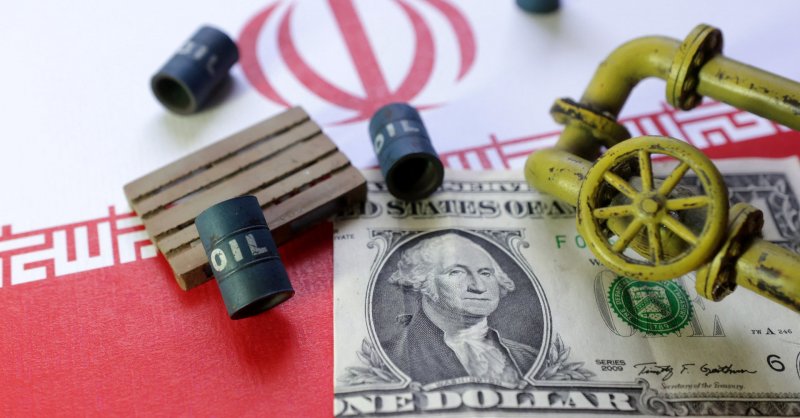
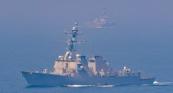
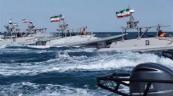
The latest military exchanges in and around the Strait of Hormuz pushed traders back toward traditional safe-haven assets, strengthened the U.S. dollar and intensified pressure on several global currencies tied to energy imports and market risk sentiment.
Below is a detailed FAQ explainer on how the conflict is influencing currencies, oil prices and broader financial markets.
Why do geopolitical conflicts affect currency markets so strongly?
Currency markets react quickly to geopolitical crises because investors try to protect money from uncertainty and sudden economic disruption.
When conflict intensifies, traders usually move away from riskier assets and seek currencies considered safer during global instability. Historically, the U.S. dollar, Japanese yen and Swiss franc often benefit during periods of geopolitical stress.
At the same time, currencies linked to energy imports, emerging markets or global trade can weaken because investors fear inflation, slower growth and financial instability.
The renewed confrontation involving the United States and Iran created exactly this type of “risk off” environment across markets.
Why did the U.S. dollar strengthen after the latest fighting?
The dollar strengthened because investors viewed it as a relative safe haven amid growing uncertainty.
Reports of missile exchanges, naval tensions and U.S. strikes on Iranian positions increased fears that the conflict could expand further across the Middle East. That uncertainty encouraged traders to move funds into dollar denominated assets.
Analysts also noted that rising oil prices can sometimes support the dollar because the United States remains a major energy producer and because global energy trade is heavily conducted in dollars.
The dollar index reportedly rebounded after earlier weakness caused by hopes for a diplomatic breakthrough between Washington and Tehran.
Why is the Strait of Hormuz so important for financial markets?
The Strait of Hormuz is one of the world’s most critical oil shipping routes.
A major share of global oil and gas exports normally passes through the narrow waterway. Any military confrontation there immediately raises fears about disruptions to global energy supplies.
When markets believe oil shipments may be interrupted, oil prices rise sharply. Higher energy prices then affect inflation expectations, interest rates, transportation costs and economic growth around the world.
That is why even limited military incidents near the Strait of Hormuz can create major currency and stock market reactions within hours.
How did oil prices react to the latest escalation?
Oil prices jumped after reports of renewed U.S.–Iran hostilities.
Markets became concerned that the fragile ceasefire could collapse completely and that shipping traffic through the Gulf could face new risks.
Higher oil prices generally create broader market anxiety because they can increase inflation globally and reduce consumer spending power.
The sharp rise in crude prices also affected currencies differently depending on whether countries are major energy exporters or importers.
Why is the Japanese yen being closely watched?
The Japanese yen became one of the most closely monitored currencies because of both market volatility and possible government intervention.
Normally, the yen strengthens during geopolitical crises because investors view Japan as a relatively stable financial environment. However, Japan’s low interest rates and ongoing economic concerns have complicated that traditional pattern.
Japanese authorities have also become increasingly concerned about yen weakness because it raises import costs and inflation inside Japan.
Reports suggested Tokyo may have intervened or signaled readiness to intervene in currency markets to slow the yen’s decline. That helped stabilize the currency temporarily despite ongoing Middle East tensions.
How are European currencies being affected?
European currencies, especially the euro and British pound, have faced mixed pressure from the conflict.
Europe remains heavily sensitive to energy prices because many European economies rely significantly on imported energy supplies. Rising oil and gas prices therefore create concerns about inflation and economic growth across the continent.
The euro initially weakened during periods of heightened war fears because traders worried Europe could suffer more economically from prolonged energy disruption than the United States.
Sterling also faced pressure due to domestic political concerns and global risk aversion.
Why do markets keep reacting differently to war news and peace talks?
Markets are moving rapidly because traders are constantly reassessing whether the conflict will escalate or move toward diplomacy.
When reports suggest progress toward negotiations or ceasefire agreements, investors often become more optimistic. In those moments:
• Oil prices tend to fall
• Riskier assets often rise
• The dollar may weaken
• Growth sensitive currencies recover
But when fighting intensifies again, markets reverse direction quickly and move back toward defensive positioning.
This explains why currency markets have experienced sudden swings almost daily during the crisis.
Could the conflict affect central bank decisions?
Yes.
Central banks around the world are closely watching the crisis because rising energy prices can complicate inflation management.
If oil prices remain elevated for a long period, central banks may become more cautious about cutting interest rates. Higher energy costs can push inflation upward even if broader economic growth slows.
At the same time, prolonged geopolitical instability could weaken global economic activity, creating difficult policy decisions for central bankers.
Investors are therefore paying close attention not only to military developments but also to economic data and interest rate expectations.
How are stock markets reacting alongside currencies?
Global stock markets have also shown increased volatility.
Periods of intensified conflict generally pushed stock futures lower because investors worried about energy shocks, trade disruptions and wider regional instability.
At the same time, sectors linked to oil, defense and energy infrastructure sometimes benefited from the uncertainty.
Technology and growth stocks experienced more mixed reactions depending on broader market sentiment and interest rate expectations.
The combination of volatile oil prices, uncertain diplomacy and currency instability has created a highly unpredictable trading environment.
Why are analysts worried about a wider economic impact?
Analysts fear that prolonged conflict could trigger wider global economic consequences.
Potential risks include:
• Higher inflation from rising energy prices
• Slower global growth
• Shipping disruptions
• Increased transport and manufacturing costs
• Pressure on emerging market economies
• Financial market instability
Some experts have even compared the potential energy disruption risk to previous global oil crises if the Strait of Hormuz faces major long term interruptions.
What are investors watching most closely now?
Markets are focusing on several key developments:
• Whether the ceasefire survives
• Future military activity near the Strait of Hormuz
• Oil supply disruptions
• U.S. economic data and Federal Reserve policy
• Possible Japanese currency intervention
• Progress or collapse of diplomatic negotiations
Every new military or diplomatic update now has the potential to move currencies, oil prices and stock markets within minutes.
Could the dollar weaken again later?
Possibly.
Some analysts believe that if a durable peace agreement eventually emerges, the dollar could lose some of its recent safe haven support.
In that scenario:
• Oil prices could stabilize or fall
• Investor risk appetite could improve
• Global growth expectations could recover
• Traders may shift back into higher yielding or growth linked currencies
However, much depends on whether the conflict truly de escalates or whether tensions continue to flare unpredictably.