How Artificial Intelligence is reshaping Azerbaijan’s education system


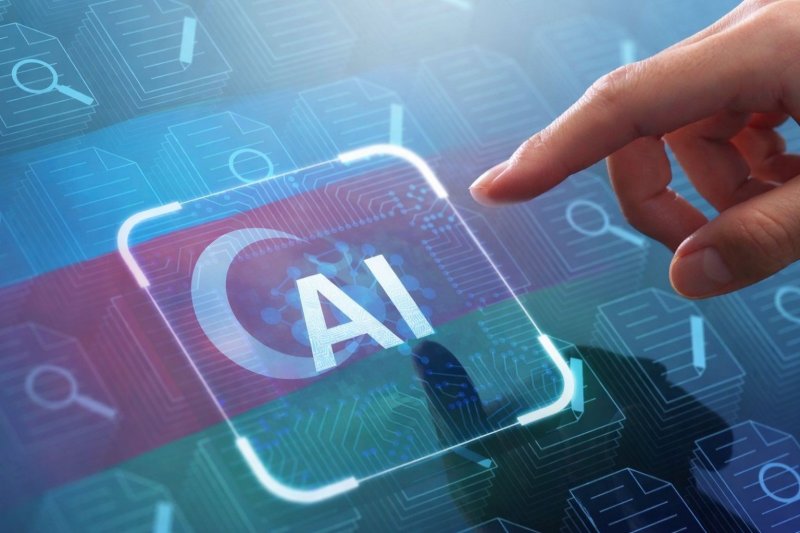
AI is changing how students learn. Rapidly. It is also changing how teachers teach, how schools run, and how the system plans for the future.
The national push for digital education has created a fertile ground for intelligent tools that personalize study plans, automate routine tasks, and open doors to new skills. These changes are helping the country move toward a modern, more inclusive education system.
RECOMMENDED STORIES
A foundation of digital policy and scale
The country already manages large centralized educational platforms and a broad school network that serves millions of learners and many tens of thousands of teachers. This digital backbone makes it easier to layer AI services—adaptive tutoring, content recommendation, learning analytics—on top of existing systems.
Personalizing learning for every student
AI enables lessons to adapt to each learner's pace. Brief explanation: adaptive platforms analyze performance and then select the next best exercise. For a slow reader, exercises can be easier and more frequent. For a fast learner, the system accelerates and presents richer challenges.
AI also affects learning beyond fully automated systems. For example, AI can help find relevant information among thousands of links or participate in answer verification. Students are often surprised to discover Free Math Solver for Chrome, which can solve math equations and offers step-by-step instructions. Thanks to the math AI extension, you can avoid mistakes early on, rather than making them until they become habits.
Stronger support for teachers
Teachers gain a powerful assistant in the classroom. AI can grade routine assignments, flag common misunderstandings, and suggest differentiated activities. What used to take hours of preparation can be reduced to minutes, freeing teachers to focus on mentoring and deeper explanation. Professional development is also improving: targeted training modules guided by analytics help teachers upskill in the exact topics they need. This is practical support, not theoretical talk — the result is better lesson planning, less burnout, and higher-quality classroom interactions.
Modernizing classrooms and curriculum delivery
Smart classroom technology—interactive whiteboards, AI-driven lesson planning tools, and multilingual speech recognition—makes lessons more engaging. Curriculum delivery becomes flexible: hybrid lessons, flipped classrooms, and micro-lessons are more feasible now. AI can automatically convert textbooks into audio, video snippets, or interactive quizzes adapted to a lesson plan. That makes the curriculum more accessible to diverse learners, including students with different learning styles or disabilities.
Expanding access to digital education
AI-powered platforms scale quickly. Once a quality digital course is created, it can be distributed nationwide through school portals and mobile apps. This reduces geographic inequality: students in smaller towns gain access to the same prepared lessons and virtual tutors as those in major centers. National initiatives to boost digital literacy and connect schools have already laid groundwork for broader rollout, and AI tools plug into that infrastructure to increase reach and consistency.
Supporting STEM development and future careers
AI education tools encourage problem-solving and computational thinking from an early age. Interactive coding tutors, simulated labs, and intelligent project-based learning platforms let students experiment safely and learn by doing. Career-focused analytics help align school programs with labor-market needs so that students build skills employers value.
Automating administrative tasks and saving time
Behind the scenes, AI reduces administrative burden. Scheduling, attendance tracking, exam logistics, resource allocation — all can be streamlined with intelligent systems. The result: fewer clerical errors, faster record access, and more time for leadership to focus on strategy. Automation also supports fairer resource distribution by highlighting underserved schools or subjects that need investment.
Data-driven decision making and continuous improvement
AI turns educational data into actionable insight. Dashboards show learning gaps at class, school, and regional levels. Policymakers can track trends and measure program impact in near real time. This allows rapid course correction: successful pilots scale up; weaker approaches are revised quickly. When analytics are used responsibly, planning becomes more precise, funds are targeted better, and learning outcomes steadily improve.
Enhancing teacher training and certification pathways
AI helps design personalized professional growth for educators. Intelligent platforms recommend courses, micro-credentials, and hands-on modules based on each teacher’s profile and classroom needs. This builds a more flexible, certified teaching workforce ready to use digital tools well. Partnerships with international certification bodies and local programs accelerate this upskilling process and spread best practices.
Building inclusive, language-sensitive solutions
Local-language AI models and content are growing. When educational technology understands the language of instruction and local cultural context, it becomes far more effective. AI can automatically translate and adapt content, generate localized exercises, and provide speech-enabled interfaces for younger learners. The net effect is increased participation and improved comprehension across diverse communities.
Preparing students for future careers
Practical exposure to AI tools in school demystifies technology and builds confidence. Students who interact with intelligent tutors, data-driven science labs, and coding platforms develop skills that are directly relevant to modern workplaces. Career guidance systems powered by AI can map student strengths to potential job pathways, increasing the efficiency of vocational guidance and helping young people make informed choices.
Partnerships and a coordinated strategy
A coordinated national strategy helps align schools, higher education, and industry around shared goals: better learning outcomes, stronger digital skills, and an empowered teaching workforce. Public-private partnerships accelerate development of localized AI tools, while international cooperation brings best practices for curriculum modernization and ethical AI use. Recent national initiatives and strategic plans are giving momentum to this effort and creating learning pathways that are future-oriented.
Conclusion
AI is not a distant promise; it is already reshaping how students learn, how teachers work, and how the system plans. Personalized learning, smarter classrooms, stronger teacher support, expanded access, and clearer career pathways — all these changes add up. The country now stands at an inflection point where technology and policy combine to create a more inclusive, effective, and future-ready education system. The result: students equipped with the skills to thrive in tomorrow’s world, and a system able to learn and improve itself faster than ever before.
By Faig Mahmudov


Similar news