How Tesla’s new software update is reshaping the driving experience


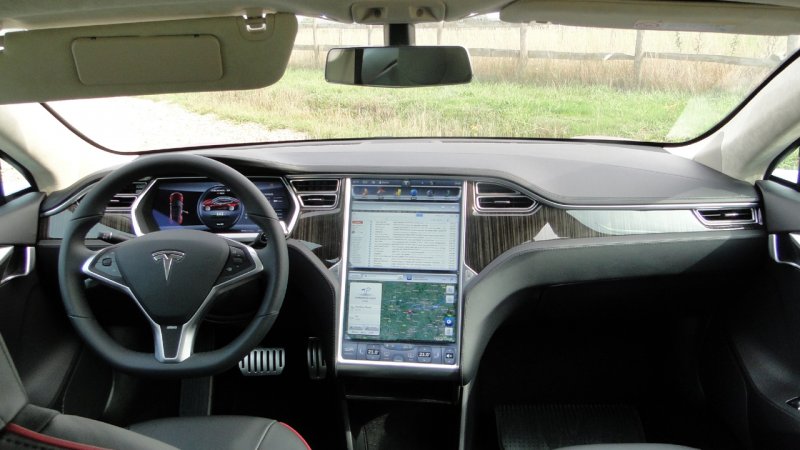
Tesla has rolled out a major over the air software update that introduces a suite of new features and refinements aimed at enhancing vehicle performance, driver convenience and overall user experience.
As software increasingly defines the capabilities of modern electric vehicles, Tesla continues to position itself not merely as an automaker but as a technology company that evolves its products long after they leave the factory, News.az reports.
This latest update reflects that philosophy. It delivers improvements across core systems including driver assistance, infotainment, energy management and safety functionality. For Tesla owners, the update is not just a routine patch but a significant upgrade that alters how the vehicle behaves in day to day use.
What is included in Tesla’s latest software update
The new software package introduces several key feature upgrades that target both usability and technical performance. Among the most notable enhancements are updates to the advanced driver assistance system, refined user interface elements, expanded customization options and improved energy efficiency tools.
Tesla vehicles receive updates wirelessly, meaning drivers do not need to visit service centers. Once downloaded and installed, the changes take effect immediately, transforming the vehicle into a more capable and responsive system.
One of the central themes of this update is integration. Tesla has focused on making various systems work more seamlessly together, allowing for smoother transitions between manual driving and assisted modes, as well as more intuitive control of entertainment and navigation functions.
How the update improves driver assistance systems
A major highlight of the update is the enhancement of Tesla’s driver assistance capabilities. The system has been refined to better interpret complex road environments, including urban intersections, multi lane highways and unpredictable traffic patterns.
Drivers may notice smoother lane changes, more precise speed adjustments and improved responsiveness to surrounding vehicles. The system now processes environmental data more efficiently, resulting in more natural driving behavior that feels closer to human decision making.
The update also introduces improvements in object detection. Tesla vehicles can now better recognize pedestrians, cyclists and road obstacles, which enhances safety in crowded or dynamic environments. These improvements are especially relevant in urban settings where rapid decision making is essential.
Why Tesla continues to prioritize over the air updates
Tesla’s reliance on over the air updates is a defining aspect of its business model. Unlike traditional automakers that rely heavily on hardware upgrades, Tesla leverages software to unlock new capabilities in existing vehicles.
This approach allows the company to respond quickly to user feedback, regulatory changes and technological advancements. Instead of waiting for new model years, Tesla can deploy improvements across its entire fleet simultaneously.
For consumers, this means that their vehicles can improve over time rather than depreciate in functionality. Features that were not available at the time of purchase can be added later, extending the lifespan and relevance of the vehicle.
How the user interface has been redesigned
The latest update includes a redesigned user interface that aims to make interaction with the vehicle more intuitive. Tesla has streamlined menus, reorganized controls and introduced new visual elements that improve readability and accessibility.
The central touchscreen now offers faster response times and smoother animations, creating a more fluid user experience. Key controls such as climate settings, navigation and media playback are easier to access, reducing distraction while driving.
Customization options have also been expanded. Drivers can now tailor certain aspects of the interface to suit their preferences, including display layouts and shortcut configurations. This personalization enhances usability and allows each driver to create a more comfortable digital environment.
What new features have been added to infotainment systems
Tesla’s infotainment system has received a significant boost with the introduction of new entertainment options and connectivity features. The update expands media compatibility, improves streaming performance and enhances integration with mobile devices.
Passengers can enjoy a wider range of content, including music, video and interactive applications. The system now supports faster loading times and more stable connections, ensuring a smoother entertainment experience during both short trips and long journeys.
Voice control functionality has also been improved. Drivers can issue more complex commands, allowing them to adjust settings, navigate destinations and control media without taking their hands off the wheel. This contributes to both convenience and safety.
How energy efficiency has been optimized
Energy management is a critical aspect of electric vehicle performance, and Tesla has introduced several enhancements in this area. The update includes improved battery monitoring tools, more accurate range estimation and smarter energy consumption strategies.
Drivers can now access detailed insights into how energy is being used across different systems. This transparency helps them make more informed decisions about driving habits and charging patterns.
The vehicle’s software also optimizes power distribution in real time, ensuring that energy is used as efficiently as possible. This can result in extended driving range and reduced charging frequency, which are key considerations for electric vehicle owners.
Why safety remains a central focus
Safety has always been a core priority for Tesla, and the new update reinforces this commitment. In addition to improved object detection and driver assistance, the update introduces new safety alerts and monitoring features.
The system can now provide more proactive warnings in situations that may pose a risk, such as sudden braking by vehicles ahead or potential collisions in blind spots. These alerts are designed to give drivers more time to react and avoid accidents.
Tesla has also enhanced its cabin monitoring system. The vehicle can better assess driver attention and ensure that the driver remains engaged when using assisted driving features. This helps prevent misuse of the system and promotes responsible driving behavior.
How Tesla is integrating artificial intelligence into driving systems
Artificial intelligence plays a central role in Tesla’s software ecosystem. The latest update demonstrates how the company continues to refine its AI driven models to improve performance and reliability.
The system uses data collected from millions of miles driven by Tesla vehicles to train its algorithms. This allows it to adapt to a wide range of driving scenarios and continuously improve its decision making capabilities.
With each update, the AI becomes more capable of handling complex situations. This iterative approach is key to Tesla’s long term goal of achieving higher levels of driving automation.
What impact the update has on existing Tesla models
One of the most significant aspects of Tesla’s software strategy is its ability to deliver updates to existing vehicles. Owners of older models can benefit from many of the same improvements as those with newer vehicles.
However, the extent of the update’s impact may vary depending on hardware capabilities. Some features require specific sensors or computing power that may not be available in earlier models.
Despite these limitations, Tesla continues to support a wide range of vehicles, ensuring that most owners can experience meaningful improvements through software alone.
How drivers are responding to the new update
Initial feedback from Tesla owners suggests that the update has been well received. Many drivers have praised the smoother performance of driver assistance systems and the improved usability of the interface.
The addition of new features has also generated excitement among the Tesla community. For many owners, the update reinforces the idea that their vehicle is constantly evolving and improving.
At the same time, some users have noted minor issues or adjustments that may require further refinement. This is a common aspect of software updates, and Tesla typically addresses such concerns in subsequent releases.
Why Tesla’s software strategy is influencing the automotive industry
Tesla’s approach to software development has had a profound impact on the broader automotive industry. Traditional manufacturers are increasingly adopting similar strategies, investing in software capabilities and over the air update systems.
This shift reflects a broader transformation in how vehicles are designed and maintained. Cars are no longer static products but dynamic platforms that can be updated and enhanced over time.
Tesla’s success in this area has set a benchmark for innovation, pushing competitors to rethink their approach to technology and customer experience.
How future updates may build on this foundation
The latest software update is part of an ongoing evolution rather than a final destination. Tesla is expected to continue refining its systems and introducing new features in future releases.
Potential areas of development include further advancements in autonomous driving, expanded connectivity options and deeper integration with smart home technologies. As the company gathers more data and improves its AI models, the capabilities of its vehicles are likely to expand significantly.
Tesla’s iterative approach ensures that each update builds on previous improvements, creating a continuous cycle of innovation.
What this means for the future of electric vehicles
Tesla’s latest update highlights the growing importance of software in the electric vehicle ecosystem. As hardware becomes more standardized, software will play a key role in differentiating products and delivering value to consumers.
The ability to upgrade vehicles remotely has the potential to redefine ownership experiences. Drivers can expect their vehicles to remain relevant and competitive for longer periods, reducing the need for frequent replacements.
This shift also has implications for sustainability. By extending the functional lifespan of vehicles, software updates can contribute to more efficient use of resources and lower environmental impact.
Conclusion
Tesla’s new software update represents a significant step forward in the evolution of connected and intelligent vehicles. By enhancing driver assistance, refining user interfaces and optimizing energy management, the company continues to push the boundaries of what is possible through software.
The update reinforces Tesla’s position as a leader in automotive innovation and underscores the importance of software as a core component of modern vehicles. As the industry continues to evolve, Tesla’s approach is likely to remain a key reference point for how technology can transform the driving experience.
By Faig Mahmudov


Similar news