How the Hormuz threat signals a new phase in US-Iran tensions


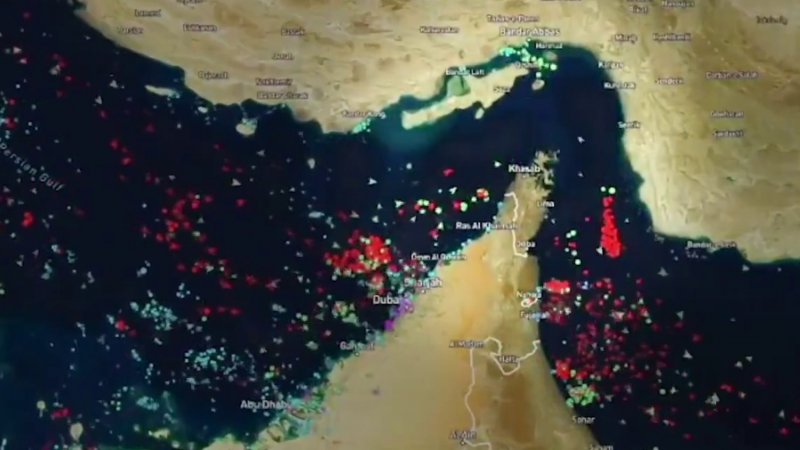
Iran’s Islamic Revolutionary Guard Corps Navy has declared that the Strait of Hormuz has entered a fundamentally new phase and will not return to its previous status, particularly for the United States and Israel.
This statement signals a shift from temporary wartime messaging to what appears to be a longer term strategic doctrine.
RECOMMENDED STORIES
The language used suggests that Iran no longer views the current situation as a short term disruption but as a turning point in how control, access, and power are exercised in one of the world’s most critical waterways.
Why is the Strait of Hormuz so important?
The Strait of Hormuz is a narrow maritime corridor connecting the Persian Gulf to global shipping routes. It is one of the most important energy chokepoints in the world, through which a significant portion of global oil and gas exports pass.
Any disruption to this route immediately affects global energy prices, supply chains, and economic stability. Because of this, control over the strait has always been closely linked to global power dynamics.
What does “will not return to its previous status” actually mean?
This phrase carries several possible implications.
First, Iran may be signaling that unrestricted access for certain countries is no longer guaranteed. This could mean tighter control over which vessels can pass and under what conditions.
Second, it suggests a shift away from the long standing model where international waters in the region were effectively secured by Western naval presence.
Third, it may indicate that Iran intends to embed its influence over the strait into future regional security arrangements, rather than treating it as a temporary bargaining chip.
In essence, Iran is framing the current moment as a structural change rather than a reversible crisis.
Why is Iran making this statement now?
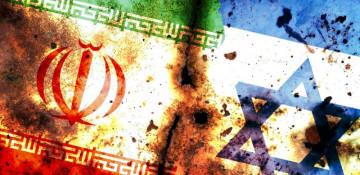
The timing is closely linked to the broader military and political confrontation involving Iran, the United States, and Israel. The conflict has elevated the strategic value of the Strait of Hormuz as one of Iran’s most powerful leverage points.
By asserting long term control or influence over the strait, Iran strengthens its position in any negotiations. It also sends a message that pressure tactics, including military threats, will not force a return to previous conditions.
This approach reflects a broader strategy of converting short term military leverage into long term geopolitical advantage.
How has the situation in the Strait changed in practice?
Since tensions escalated, shipping activity has become more restricted and uncertain. Movement through the strait is no longer routine and predictable.
This has increased risks for commercial shipping, raised insurance costs, and created volatility in energy markets. Even limited disruptions have had outsized global effects due to the strategic importance of the route.
The situation demonstrates how control over a narrow geographic point can influence global systems.
Why is this a direct message to the United States and Israel?
The explicit reference to the United States and Israel highlights the political dimension of Iran’s statement. It suggests that access to the strait may become conditional based on geopolitical alignment.
This is not just about maritime control but about redefining the balance of power. By singling out these countries, Iran is signaling that their traditional operational freedom in the region will be challenged.
It also reflects the broader confrontation, where military, economic, and political elements are deeply interconnected.
Could this lead to a permanent change in global shipping patterns?
If the situation persists, it could force long term adjustments in global trade and energy logistics.
Countries and companies may seek alternative routes, diversify energy sources, or invest in new infrastructure to reduce dependence on the strait. However, replacing the Strait of Hormuz is extremely difficult due to its unique geographic and economic role.
Any sustained disruption would therefore have lasting consequences for global markets.
How might the United States respond?
The United States faces a complex set of options. It could pursue diplomatic efforts to restore stability, increase military presence to secure the waterway, or apply economic and political pressure on Iran.
Each option carries risks. Military action could escalate the conflict further, while diplomacy requires concessions that may be politically sensitive.
The situation requires balancing deterrence with the need to avoid a broader war.
What role could diplomacy play in resolving the issue?
Diplomatic efforts remain a key pathway, particularly through mediated negotiations involving regional actors. Proposals for ceasefire agreements and broader frameworks often include provisions related to reopening the Strait of Hormuz.
However, Iran’s statement suggests that any agreement would need to address deeper structural issues rather than simply restoring previous conditions.
This makes negotiations more complex but also potentially more transformative.
Why is this development significant for global energy markets?
Energy markets are highly sensitive to risks in the Strait of Hormuz. Even the perception of instability can drive price fluctuations.
If Iran maintains a more assertive stance over the strait, it could introduce a new layer of uncertainty into global energy systems. This would affect not only prices but also long term investment decisions and energy strategies.
Countries that rely heavily on Gulf exports are particularly exposed to these risks.
Could this increase the risk of military confrontation?
Yes, the risk of confrontation increases when control over such a critical chokepoint is contested. Any attempt to challenge restrictions or enforce freedom of navigation could lead to direct clashes.
The presence of multiple military forces in a confined area adds to the complexity and danger. Miscalculations or incidents could escalate quickly.
This makes the situation one of the most sensitive flashpoints in the current geopolitical landscape.
What does this mean for regional power dynamics?
Iran’s statement reflects a broader effort to reshape regional power structures. By asserting greater control over the Strait of Hormuz, Iran is positioning itself as a central actor in Gulf security.
This could reduce the influence of external powers and increase the role of regional players in determining security arrangements.
However, it could also intensify rivalries and create new tensions among neighboring countries.
Is this a temporary tactic or a long term strategy?
The language used by the IRGC Navy suggests a long term strategic vision rather than a temporary tactic. By framing the change as irreversible, Iran is signaling that it intends to maintain this new posture beyond the current conflict.
Whether this is achievable depends on multiple factors, including military developments, diplomatic outcomes, and international responses.
What are the broader implications of this statement?
The broader implications extend beyond the Strait of Hormuz itself.
This development touches on key issues such as freedom of navigation, the balance of power in the Middle East, and the stability of global energy systems.
It also highlights how regional conflicts can have global consequences, affecting economies and security far beyond their immediate geography.
Conclusion
Iran’s declaration that the Strait of Hormuz will not return to its previous status marks a potentially transformative moment in global geopolitics.
It signals a shift from temporary disruption to a possible redefinition of control over one of the world’s most critical waterways.
The outcome will depend on how the situation evolves in the coming weeks and months. Whether through confrontation, negotiation, or a combination of both, the future of the Strait of Hormuz will play a central role in shaping regional and global stability.


Similar news