Who is fighting whom in Sudan and what is driving the conflict?


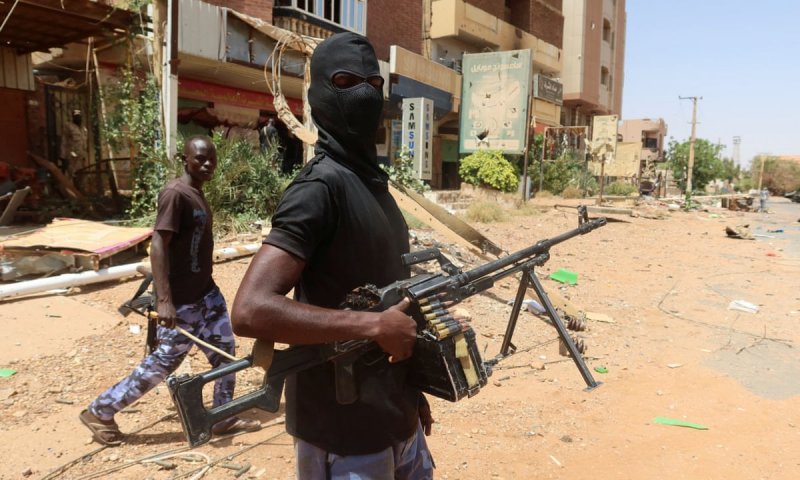
Sudan is experiencing one of the most devastating conflicts in the world today. Since April 2023, fighting between the Sudanese Armed Forces (SAF) and the Rapid Support Forces (RSF) has plunged the country into a prolonged civil war that has transformed nearly every aspect of Sudanese life. What began as a power struggle between two military organizations quickly evolved into a nationwide conflict affecting millions of civilians.
The war has destroyed neighborhoods, disrupted economic activity, damaged critical infrastructure and triggered one of the world's largest humanitarian crises. Major cities have become battlefields, public institutions have ceased functioning in many areas and basic services such as healthcare, education, electricity and water supply have been severely affected. The conflict has also reversed years of efforts aimed at political reform and democratic transition, News.az reports.
RECOMMENDED STORIES
For ordinary Sudanese citizens, the consequences have been catastrophic. Families have been displaced multiple times, livelihoods have disappeared and access to food and medicine has become increasingly difficult. The war continues to shape every aspect of life across the country and remains one of the most important geopolitical and humanitarian crises in Africa.
Why is Sudan important?
Sudan occupies a strategically significant position in Northeast Africa. It serves as a geographical bridge connecting North Africa, the Horn of Africa, Central Africa and the Middle East. The country borders Egypt, Libya, Chad, the Central African Republic, South Sudan, Ethiopia and Eritrea, giving it considerable regional importance.
Sudan's location along the Red Sea further enhances its strategic value. The Red Sea is one of the world's most important maritime trade corridors, carrying a significant share of global commerce. Any instability in countries bordering this route can have broader implications for international trade, shipping and regional security.
In addition to its geographic importance, Sudan possesses vast agricultural resources, significant mineral wealth and one of Africa's largest populations. Historically, Sudan has played a key role in regional politics, migration patterns and security dynamics. For these reasons, developments inside Sudan are closely monitored by neighboring countries, regional organizations and global powers.
Who is fighting in Sudan?
The conflict is primarily being fought between two powerful military organizations that once cooperated but are now engaged in a bitter struggle for control of the country.
The first side is the Sudanese Armed Forces, the country's official military institution. Led by General Abdel Fattah al Burhan, the SAF considers itself the legitimate national army responsible for protecting Sudan's sovereignty and territorial integrity.
The second side is the Rapid Support Forces, a powerful paramilitary organization commanded by Mohamed Hamdan Dagalo, better known as Hemedti. Over the years, the RSF evolved from a regional armed force into a major military and political actor with substantial influence throughout Sudan.
Although both groups previously worked together during Sudan's transitional period following the fall of Omar al Bashir, disagreements over power, authority and military integration eventually led to open conflict. Their rivalry now lies at the center of Sudan's ongoing civil war.
Why did the conflict begin?
The immediate cause of the conflict was a dispute regarding the integration of the RSF into the Sudanese Armed Forces. As part of Sudan's planned political transition, military leaders and civilian actors discussed reforms designed to create a unified national security structure.
However, serious disagreements emerged regarding how and when the RSF should be incorporated into the regular army. Questions regarding leadership, command structures, timelines and political influence created increasing tensions between the two sides.
These disputes reflected deeper struggles over power and the future direction of Sudan. Both organizations possessed significant military capabilities and political ambitions. As trust deteriorated and negotiations stalled, tensions escalated into armed confrontation in April 2023.
The conflict quickly spread beyond military facilities and political institutions, engulfing cities, towns and communities throughout the country.
Why is Khartoum at the center of the war?
Khartoum is Sudan's capital and the country's most important political, economic and administrative center. Control of Khartoum carries enormous symbolic and practical significance because it houses government ministries, military headquarters, financial institutions and major infrastructure.
When fighting erupted, both sides recognized the strategic importance of controlling the capital. As a result, some of the most intense battles occurred within densely populated urban areas.
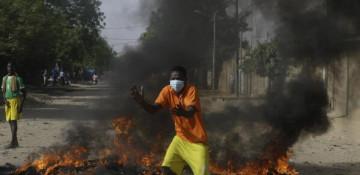
The consequences for civilians have been severe. Residential districts have been damaged by shelling, airstrikes and street battles. Public services have been disrupted and many residents have been forced to flee.
The destruction of Khartoum also represents a broader national tragedy because the city served as Sudan's primary center of education, commerce and governance. Rebuilding the capital will likely require years of effort even after the conflict ends.
What role does Darfur play in the conflict?
Darfur has been one of Sudan's most troubled regions for decades. Beginning in 2003, the region experienced a major conflict that drew international attention because of large scale violence, displacement and humanitarian suffering.
Many of the political, ethnic and military dynamics that shaped the Darfur conflict continue to influence Sudan today. Several armed groups operating in the current war have roots in Darfur, while longstanding grievances remain unresolved.
The region's vast territory, strategic location and historical importance have made it one of the primary battlegrounds in the current conflict. Fighting in Darfur has resulted in significant civilian casualties, mass displacement and renewed fears of large scale humanitarian disasters.
For many observers, the violence in Darfur serves as a reminder that Sudan's current crisis is deeply connected to unresolved conflicts from the past.
How has the conflict affected civilians?
Civilians have suffered the overwhelming majority of the conflict's consequences. Across Sudan, families have lost homes, livelihoods and access to essential services.
Many people have been forced to abandon their communities due to insecurity. Others remain trapped in conflict zones where obtaining food, water and medical care has become increasingly difficult.
The psychological impact has also been immense. Constant exposure to violence, uncertainty and displacement creates lasting trauma, particularly among children. Communities that once functioned normally now struggle to maintain basic social and economic activities.
The civilian population continues to bear the greatest burden of the war despite having little influence over the decisions that drive the conflict.
Why has Sudan become one of the world's largest humanitarian crises?
Several overlapping emergencies have combined to create an extraordinarily severe humanitarian situation.
The conflict has disrupted food production, transportation networks and markets. Healthcare systems have partially collapsed. Millions of people have been displaced. Humanitarian agencies face significant challenges delivering aid to affected communities.
Economic decline has further worsened living conditions. Rising prices and declining incomes make it difficult for families to afford basic necessities.
These factors reinforce one another. Displacement increases vulnerability to hunger, while hunger increases vulnerability to disease. Limited healthcare capacity makes it harder to address growing humanitarian needs.
The result is a crisis affecting millions of people across multiple regions simultaneously.
How has the war affected Sudan's economy?
Sudan's economy has suffered devastating losses since the outbreak of the conflict.
Many businesses have closed or reduced operations. Trade routes have been disrupted. Investment has declined dramatically. Agricultural production has fallen in many areas because farmers cannot safely access their land.
Financial institutions have also experienced significant disruption. Banking services are limited in some regions, making it difficult for people to access savings or conduct routine transactions.
The destruction of infrastructure further complicates economic recovery. Roads, bridges, factories and commercial facilities damaged during the war will require substantial investment to rebuild.
Economic recovery will likely remain one of Sudan's greatest challenges even after active fighting ends.
How are children affected by the conflict?
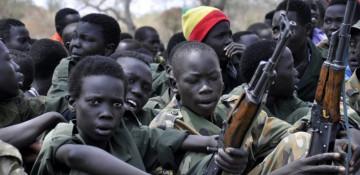
Children are among the most vulnerable victims of Sudan's civil war. Millions have experienced displacement, interrupted education and exposure to violence.
Schools have closed in many areas, depriving children of learning opportunities and stable environments. Some educational facilities have been damaged or repurposed for military activities.
Healthcare disruptions have increased risks associated with disease and malnutrition. Many children no longer have reliable access to vaccinations or routine medical care.
The psychological effects are equally concerning. Growing up amid conflict can have long term consequences for emotional well being, social development and future opportunities.
The war threatens to create a generation of young Sudanese whose education and development have been severely disrupted by prolonged instability.
How are women affected by the conflict?
Women face unique challenges during armed conflicts and Sudan is no exception.
Many women have become responsible for supporting families under extremely difficult circumstances. Displacement often increases caregiving responsibilities while simultaneously reducing access to income and resources.
Healthcare services, including maternal healthcare, have become less accessible. Pregnant women frequently face difficulties obtaining medical assistance.
Women may also face heightened risks associated with insecurity, displacement and economic hardship. Humanitarian organizations continue to emphasize the importance of addressing women's specific needs as part of broader relief efforts.
Despite these challenges, Sudanese women remain active participants in community support networks, humanitarian initiatives and efforts to preserve social cohesion during the crisis.
Can Sudan achieve peace?
Achieving peace remains possible, but significant obstacles remain.
The conflict involves not only military competition but also deeper political questions regarding governance, authority and the future structure of the Sudanese state. Any lasting settlement will require addressing these underlying issues.
Successful peace efforts will likely need to include ceasefire arrangements, political negotiations, security sector reforms and plans for reconstruction. Trust building measures will also be essential because years of conflict have created deep divisions among key actors.
History demonstrates that even severe conflicts can eventually end through negotiation and compromise. However, sustainable peace requires political will, effective mediation and long term commitment from both domestic and international stakeholders.
The future of Sudan will depend heavily on whether its leaders can prioritize national recovery over military competition and create conditions that allow citizens to rebuild their lives after years of hardship and uncertainty.
By Faig Mahmudov


Similar news