How the Ukraine–Russia conflict evolved over the past week


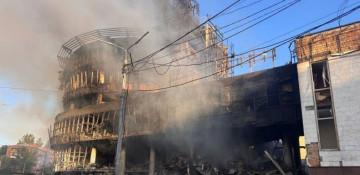
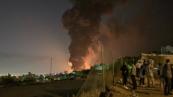
Russia carried out a renewed wave of missile and drone attacks overnight, reaching Kyiv and several central regions of Ukraine. Air defence systems were activated for hours, and local authorities confirmed fires and damage in residential and industrial districts. While officials avoided releasing precise locations, they stressed that the primary objective of the strikes appeared to be urban pressure rather than battlefield targets.
Ukrainian emergency services focused on rapid containment and restoration, highlighting that winter conditions significantly complicate firefighting and repair work. The attacks reinforced a pattern seen throughout the winter season, in which repeated long range strikes aim to exhaust air defence stocks and force Ukraine into continuous emergency response mode.
Russian officials described the strikes as precision operations against military related infrastructure. Ukrainian authorities rejected this narrative, arguing that the timing and geographic spread of the attack pointed to an effort to disrupt civilian life and weaken morale during freezing temperatures. Analysts noted that even limited physical damage can have outsized effects when combined with cold weather and already strained energy systems.
January 13, 2026: Largest combined missile and drone assault of the week hits multiple cities
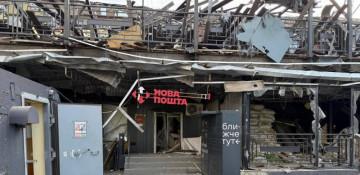
Ukraine experienced one of the most extensive combined missile and drone attacks of the week, affecting several major cities and regional centers simultaneously. Authorities confirmed civilian casualties and reported widespread damage to power distribution facilities, heating networks, and residential buildings. In several areas, electricity and heating were interrupted for extended periods, forcing local administrations to open emergency warming centers.
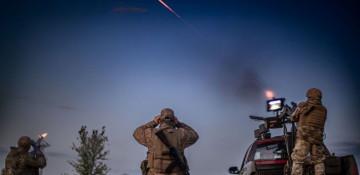
The attack underscored the scale and coordination of Russia’s air campaign, which increasingly relies on large numbers of drones combined with missiles to overwhelm defences. Ukrainian officials stated that while many targets were intercepted, the sheer volume of incoming systems ensured that some reached their objectives.
Beyond immediate humanitarian effects, the strikes disrupted industrial activity and transportation. Rail services were temporarily slowed in affected regions, and some factories suspended operations due to power instability. The cumulative economic cost of such disruptions continues to grow, adding a long term dimension to what might otherwise appear as short term tactical actions.
January 14, 2026: Energy infrastructure under sustained pressure as drones target utilities
Russian drone attacks again focused on energy related infrastructure, forcing emergency power cuts in several cities including Kryvyi Rih. Water pumping stations and hospitals switched to backup generators, while municipal authorities warned residents to reduce electricity consumption during peak hours.
Officials described the attacks as part of a deliberate strategy to create rolling instability rather than total blackouts. By repeatedly damaging substations and transmission lines, the strikes compel constant repair efforts and consume scarce technical resources. Ukrainian energy specialists noted that each repair becomes more difficult as spare parts are depleted and crews operate under the threat of follow up attacks.
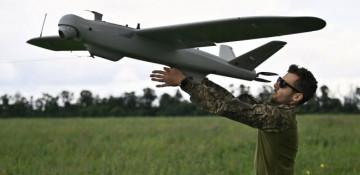
On the same day, Ukraine confirmed successful drone strikes inside Russia, including an industrial site in the Rostov region. The incident caused a fire and fatalities, according to local authorities. Kyiv stated that such actions are intended to degrade logistics and industrial capacity supporting Russian military operations. The cross border nature of these attacks highlighted the increasingly reciprocal use of long range drones by both sides.
January 15, 2026: Humanitarian impact dominates discussions as winter conditions worsen
As temperatures dropped further, the humanitarian consequences of the air campaign became a central focus. Ukrainian leaders emphasized that energy shortages during winter pose direct risks to civilian life, particularly for the elderly and vulnerable populations. Rolling outages and reduced heating capacity strained local governments and emergency services.
International partners reiterated political and material support, with alliance leaders holding consultations with Kyiv on energy resilience and civilian protection. These discussions reflected growing concern that prolonged pressure on infrastructure could have strategic effects beyond the battlefield, influencing economic stability and public endurance.
Military observers noted that Russia’s approach during this period appeared aimed at sustaining constant pressure rather than achieving a single decisive strike. This method forces Ukraine to allocate resources across a wide range of defensive and humanitarian needs, potentially limiting flexibility on the front lines.
January 16, 2026: Diplomacy and battlefield realities move in parallel
Ukraine announced preparations for high level diplomatic engagements focused on security guarantees and post war recovery planning. A delegation was tasked with advancing discussions with international partners, signaling Kyiv’s intent to link current defence needs with long term reconstruction and investment frameworks.
At the same time, battlefield reports indicated continued Russian offensive activity along several fronts, though without confirmed large scale breakthroughs. Winter conditions limited maneuverability, reinforcing the importance of artillery, drones, and fortified positions. Analysts described the situation as a war of endurance, with both sides seeking to manage attrition while positioning themselves for future phases.
The contrast between diplomatic initiatives and ongoing combat highlighted a defining feature of the conflict. Negotiation efforts continue even as military operations intensify, with each side attempting to shape the strategic environment through both force and diplomacy.
January 17, 2026: Ukraine accelerates energy imports amid acute power shortages
Facing severe cold and persistent damage to infrastructure, Ukraine ordered accelerated imports of electricity and critical power equipment. Officials acknowledged that domestic generation was insufficient to meet demand, covering only part of national needs during peak periods. Gas imports were also increased to stabilize heating supply.
The decision reflected a broader shift in wartime energy policy. After repeated strikes on production facilities and storage sites, Ukraine has increasingly relied on external sources to maintain basic services. This dependency carries financial and logistical challenges, particularly as global energy markets remain volatile.
Authorities warned that the situation required careful prioritization. Power had to be allocated among civilian heating, hospitals, military facilities, and industry. Each new wave of attacks complicates these decisions, reinforcing the strategic significance of energy security within the conflict.
January 18, 2026: Mass drone wave and retaliatory strikes deepen infrastructure conflict
Russia launched another large scale drone assault involving hundreds of systems, striking regions across Ukraine. Air defences intercepted many drones, but several penetrated, causing casualties and further damage to the power grid. The attacks again coincided with freezing temperatures, amplifying their impact on daily life.
Ukraine responded with drone strikes affecting Russian controlled territories, including parts of the Zaporizhzhia region. Local authorities there reported widespread power outages affecting large numbers of households. The incident demonstrated how both sides increasingly use drones not only for military purposes but also to influence civilian conditions and information narratives.
Diplomatic engagement continued alongside these developments, with Ukrainian officials stressing that ongoing attacks undermine claims of readiness for peace. International mediators faced the challenge of advancing dialogue while hostilities remain intense and highly visible.
Throughout the week, a recurring theme was the growing centrality of infrastructure warfare. Energy systems, logistics hubs, and industrial facilities have become primary arenas of contestation. The events of these seven days illustrated how the Russia Ukraine war has evolved into a conflict where endurance, resilience, and the management of civilian hardship are as decisive as territorial control.


Similar news