Russia launches 262 drones overnight; Ukraine intercepts 246


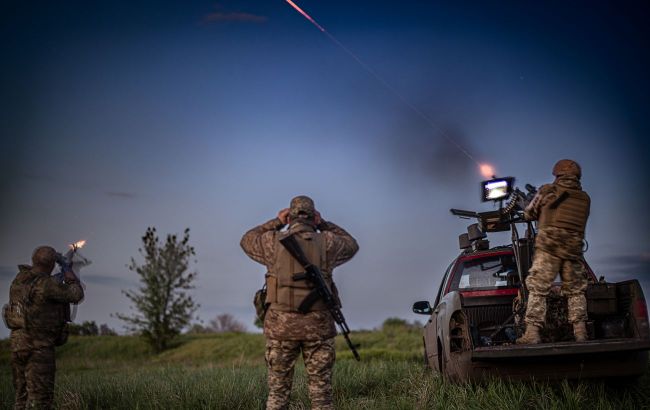
Ukrainian air defense forces successfully intercepted or suppressed 246 out of 262 drones during a massive, multi-wave Russian aerial assault that began on Sunday evening and continued into Monday morning.
The extensive bombardment commenced at 5:30 p.m. on May 24, with the Russian military deploying a complex mix of strike and decoy aircraft. According to the Ukrainian Air Force, the arsenal included standard Shahed kamikaze drones, newer jet-powered Shahed variants, and several types of decoy drones—including Gerbera, Italmas, and Parodiya models—designed to overwhelm radar systems, News.Az reports, citing RBC-Ukraine.
The drones were launched from multiple directions across the Russian border, including the Oryol, Kursk, Shatalovo, Bryansk, Millerovo, and Primorsko-Akhtarsk regions, as well as from Hvardiiske in Crimea.
RECOMMENDED STORIES
A coordinated defensive effort involving Ukrainian tactical aviation, anti-aircraft missile troops, electronic warfare units, unmanned systems forces, and mobile fire groups countered the incoming wave across the northern, southern, and eastern sectors of the country.
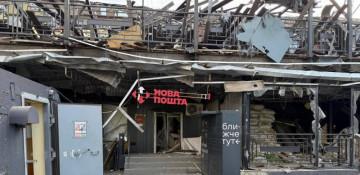
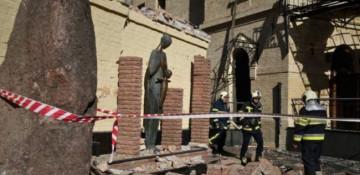
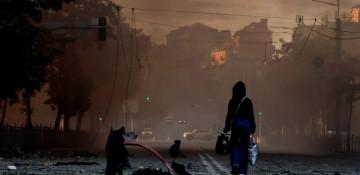
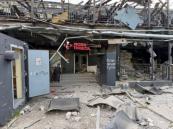
By 8:00 a.m. on May 25, the Air Force confirmed that 246 of the aircraft had been neutralized. However, 10 attack drones managed to slip through defenses, resulting in impacts across nine different locations. Additionally, debris from intercepted drones crashed in seven separate areas, causing localized damage.
Military officials noted that the aerial operation was still active as of Monday morning, keeping air raid alerts active in several regions.
The Air Force also took the opportunity to address recent public anxiety regarding weapon modifications, firmly denying reports that Russia has begun utilizing radioactive drones. Officials clarified that a slightly elevated radiation level recently detected on the debris of a single downed drone was an isolated anomaly and does not indicate the deployment of a new radiological weapon system by the Russian military.
By Aysel Mammadzada


Similar news