How to document your injuries for your doctor


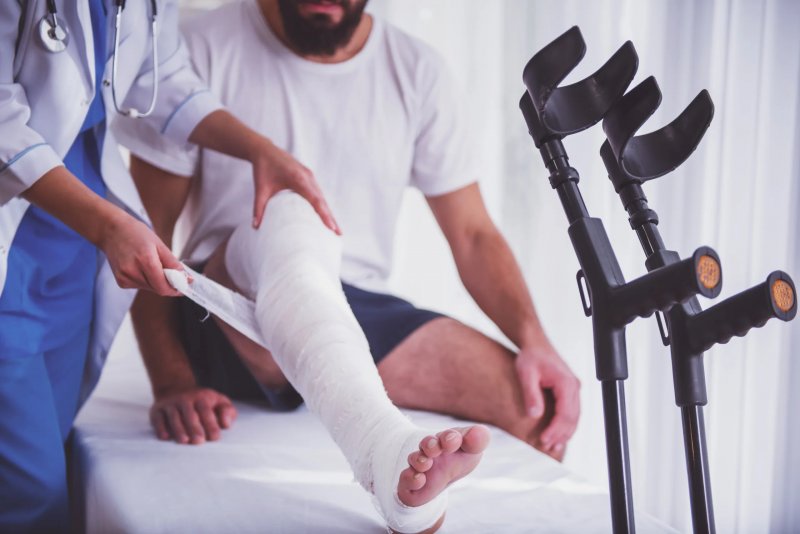
Medical records after an injury aren't paperwork. They're a timeline, one that follows you through treatment, insurance reviews, and sometimes a court.
Most patients figure this out too late. Here's what to record, when to start, and how to make documentation actually hold up, News.Az reports.
When vague records become a problem
There's a real distance between "I told my doctor it hurt" and a dated, structured symptom account. That distance costs people money and credibility.
RECOMMENDED STORIES
Vehicle accident cases make this plain. Attorneys handling situations like those described at https://desertinjurylaw.com/practice-areas/truck-accident-lawyer-palm-springs-ca/ often meet clients holding records that simply don't reflect what happened, missing symptoms, rushed ER notes, no mention of the shoulder the patient mentioned once and the physician didn't write down. Fixing that later is possible. Just harder.
Start documenting before the specialist appointment, not after.
Start a symptom log today
Not next week. Today.
A notes app on your phone works. Handwritten journal works better, harder to accidentally delete, and timestamped entries on paper carry weight. What matters is consistency and specificity.
Each entry should include:
- Date and time
- Exact location of pain, "lower left lumbar, about two inches from the spine" helps a physician. "My back hurts" doesn't.
- Pain scale, 1–10, with a sentence on what that number actually means for you that day
- Constant or intermittent, does it ease off after an hour, or sit flat all day?
- Triggers, sitting too long, standing up fast, coughing, turning your head
- Functional impact, can you drive? Sleep through the night? Lift a grocery bag without stopping?
That last point. Insurance adjusters and physicians both need to understand what you can no longer do, not just where it hurts. "I wake up twice a night because I can't find a position that doesn't hurt" is documentable. "It hurts a lot" isn't.
Photograph the injury, More than once
Bruising changes. Swelling at day one looks nothing like swelling at day four. Photos taken 72 hours apart can look like two separate incidents, because the tissue is genuinely different.
Photograph:
- Visible injuries daily for the first two weeks
- Any assistive devices, crutches, cervical collar, brace, ice packs in use
- Prescription bottles and home medical equipment
- Physical changes to your living space: a shower chair, a grab rail, a mattress moved downstairs
Smartphone metadata (date, time, sometimes location) is more useful than people expect. Don't filter or edit the images. Keep them in a labeled folder named with the injury date.
What to actually say at the appointment
This is where patients lose ground most often.
Common scenario: someone's hurt in a crash, goes to the ER still shaken up, says "neck and back." The physician notes "cervical and lumbar discomfort." Two weeks later, the shoulder isn't in the report anywhere. That missing shoulder becomes a claim problem.
At every visit, list every symptom. The ones that feel minor. The ones that feel embarrassing to raise. A headache that started the day after a fall. Tingling in two fingers. Nausea that's been low-grade for a week. Difficulty focusing at work. Say all of it.
Then ask for a copy of your visit notes. Under HIPAA, that's your right. Read through them. If something's missing or wrong, contact the office and request a correction. Providers add amendments, that process exists for exactly this reason.
The symptom checklist
Keep this somewhere accessible. Review it before every post-injury appointment.
Physical:
- Pain, location, type (sharp / dull / burning), intensity 1–10
- Swelling or visible bruising
- Limited range of motion
- Weakness in arms or legs
- Numbness or tingling
- Headaches, dizziness, balance issues
Functional:
- Sleep disruption, difficulty falling asleep, waking at night, positions no longer possible
- Mobility limits, stairs, driving, walking distance
- Work tasks missed or stopped
- Household responsibilities handed off to someone else
Cognitive and emotional:
- Difficulty concentrating
- Short-term memory issues
- Mood changes or anxiety that began after the injury
Most patients skip that last section entirely. That's a mistake. Post-concussive symptoms and anxiety following a traumatic incident can be significant components of a claim, and they need to appear in the record from the beginning, not surface later when attribution becomes contested.
Why consistency matters more than completeness
A three-week gap in appointments, without explanation, raises questions. If your condition genuinely improved and you didn't need to be seen, write that in the symptom log. "Week 3, pain reduced, resumed partial normal routine." That entry shows an honest record, not a curated one.
What quietly undermines documentation:
- Seeing multiple providers without coordinating records between them
- Inconsistent descriptions of the same symptom across visits
- Large unexplained treatment gaps
- Saying "it's getting a little better" in the exam room on a day that happened to be decent, while waking up in pain four nights a week
That last one. People downplay symptoms in person because they don't want to seem dramatic. The written record then reflects something milder than what's actually happening. That discrepancy gets noticed during claim review.
Accurate. Not dramatic. Accurate.
The diagnosis is not the whole record
A diagnosis names the condition. Documentation shows how it happened, how it progressed, and what it's cost in daily life. Those aren't the same thing.
The 1994 Liebeck v. McDonald's case is a useful reference, not for its notoriety, but for what it demonstrates about records. Stella Liebeck suffered third-degree burns requiring skin grafts and an eight-day hospitalization. What made the case viable wasn't just the injury. It was the documented severity, the specific course of treatment, the detailed recovery record. The record supported the claim. That principle scales to every type of injury case.
Insurance adjusters look for documentation that supports what's being reported. Physicians writing letters of support draw on records the patient helped build. Attorneys advising on next steps need the paper trail to do their job. Managing that record is not a passive role.
Tools worth using
- Symptom tracking apps, CareClinic and Symple allow timestamped logging with exportable reports suitable for appointments.
- Voice memos, when typing isn't manageable right after an incident, a short audio note works. Rename the file with the date manually.
- A dedicated email folder, appointment confirmations, test result summaries, discharge notes forwarded to one labeled folder. Saves hours when records need to be gathered fast.
- A plain notebook, low-tech, legally credible, and reliable. Date every page. If nothing notable happened on a given day, write that. Continuity signals that the record is real.
By Aysel Mammadzada


Similar news