How to know about an earthquake before it happens: What science can and cannot predict


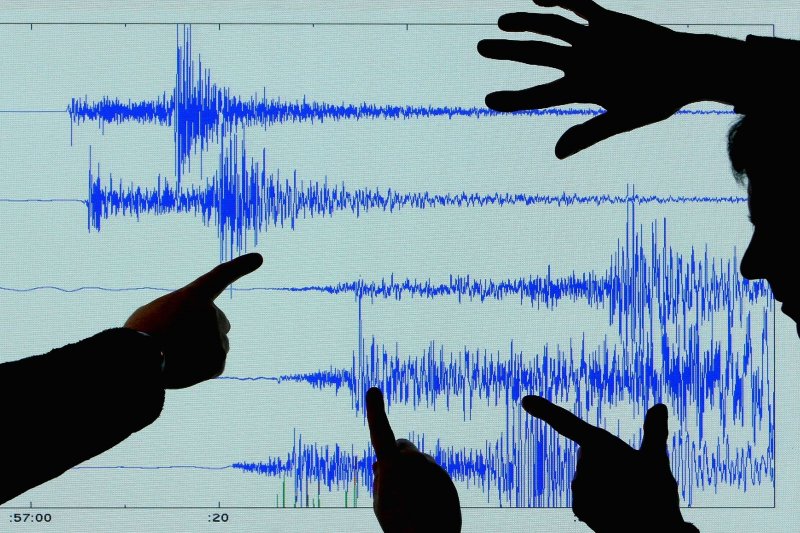
Earthquakes remain one of the most unpredictable natural disasters, striking without warning and causing widespread destruction in seconds, News.Az reports.
For decades, scientists have searched for reliable methods to forecast earthquakes before they occur. While a fully accurate prediction system does not yet exist, significant progress has been made in early detection, monitoring technologies, and public alert systems. Understanding these tools can mean the difference between preparedness and panic.
Geologists consistently emphasize that earthquakes cannot be predicted with precise timing, but certain signals and technologies can provide early indications of increased seismic activity. The foundation of modern earthquake awareness lies in the continuous monitoring of tectonic plates through global seismic networks. These networks detect the smallest underground vibrations, helping scientists identify stress accumulation along fault lines. Although this does not guarantee a forecast, it allows experts to map high-risk zones where earthquakes are statistically more likely.
One of the most important modern tools is earthquake early warning (EEW) systems. These systems do not predict an earthquake in advance, but they can detect the first seismic waves—known as P-waves—before the strong shaking arrives. This detection offers a window ranging from a few seconds to nearly a minute, depending on the distance from the epicenter. Countries like Japan, Mexico, and the United States have already deployed such systems, sending alerts to smartphones, public sirens, and transportation networks. Even a few seconds of warning can stop trains, shut off gas lines, pause surgeries, and allow the public to take cover.
Another area of emerging research focuses on electromagnetic anomalies, groundwater changes, and unusual animal behaviour. Although these methods attract public interest, scientists caution that none of them currently meet the standards of reliability needed for official forecasting. Some studies claim that animals may sense early vibrations or chemical changes in the environment, but the evidence remains inconclusive. Likewise, theories about electromagnetic signals before earthquakes continue to be studied, yet no global system has been created based solely on these indicators.
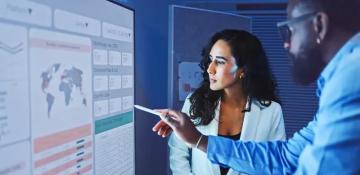
Satellite technology, however, is opening new possibilities. Modern satellites can track ground deformation using radar and GPS measurements. These data — collected continuously — help scientists understand how stress is building along fault lines. While still unable to predict the exact moment of an earthquake, satellite monitoring can identify regions where the risk is intensifying. Governments can use this information to strengthen infrastructure, update building codes, and prioritize emergency planning.
Public safety experts agree that preparedness is more effective than prediction. Communities in seismic regions are encouraged to participate in regular drills, create emergency kits, secure household furniture, and learn safe-spot techniques such as “drop, cover, and hold on.” Modern smartphone applications can also deliver government alerts, track seismic activity, and provide safety instructions in real time.
For individuals, the most reliable ways to stay aware include receiving notifications from national geological services, monitoring local seismic agencies, and installing official earthquake alert apps. These tools give residents immediate information and help reduce the element of surprise during sudden seismic events.
While humanity cannot yet see earthquakes days or weeks before they strike, technology has made it possible to detect them moments earlier and understand long-term risks more clearly than ever. Ongoing research in geophysics, satellite sensing, and underground monitoring continues to bring scientists closer to the goal of earthquake forecasting. Until then, awareness, preparation, and rapid-response systems remain the world’s strongest defences against one of nature’s most powerful forces.


Similar news