India central bank cuts interest rates sharply as growth and inflation slow


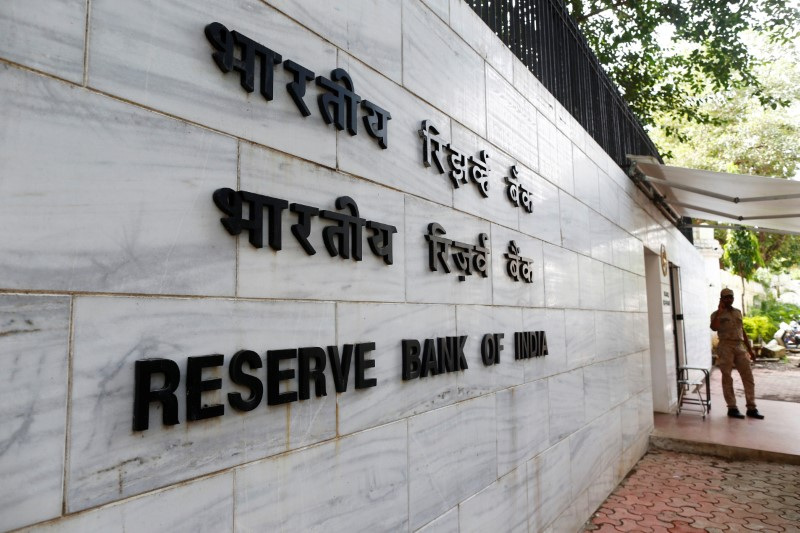
India’s central bank surprised markets by cutting interest rates by 0.5 percentage points—more than anticipated—in its third consecutive reduction, responding to easing inflation and a slowdown in growth in Asia’s third-largest economy.
It also increased the amount of liquidity, or money supply, in the system.News.Az reports citing BBC.
The repo rate, the rate at which the central bank lends money to commercial banks, affecting borrowing costs for mortgages and car loans, is now 5.5%, the lowest in three years.
Explaining the reasons for the cut, Reserve Bank of India Governor Sanjay Malhotra said growth was "below our expectations" and the bank sees "the need to stimulate domestic consumption and investment" amid growing global uncertainty.
The rate cut comes on the back of two previous reductions in April and February.
Data released last week showed that India's economy grew by 6.5% in the previous financial year ending March.
The country remains the world's fastest expanding major economy, although growth has sharply dropped from the 9.2% high recorded in financial year 2023-24.
Meanwhile, retail prices in India have slowed faster than expected to 3.16% in April - the lowest in six years - and below the RBI's 4% target, driven down by falling food prices.
RBI has now forecast lower inflation than earlier projected for the year ahead.
But the central bank has changed its monetary policy stance from "accommodative" to "neutral", indicating that further rate cuts will depend on how India's growth-inflation dynamic evolves.
However, fuller granaries due to a better-than-expected monsoon, weaker prices of commodities like oil - of which India is a net importer - as well as a strong currency are likely to help keep India's inflation in check in the months ahead, allowing the RBI to keep rates low.
Lower borrowing costs could have a positive growth impact due to improved purchasing power for households, lower input costs for companies and lower debt servicing costs for the government.
They will also help homebuyers and a struggling real estate sector.
"This effectively lowers the cost of borrowing, making home loan EMIs [mortgage payments] easier on the pocket and thereby directly improving affordability for buyers. This can potentially boost demand in the Indian real estate sector, especially in affordable and mid-income segments. Affordable housing faced the sharpest pandemic fallout, with sales and new launches shrinking in the top 7 cities," Anuj Puri, chairman of ANAROCK Group, said.
Indian markets rallied sharply post the rate cut announcement.


Similar news