iPhone 18 Pro leaks hint: Could go fully wireless


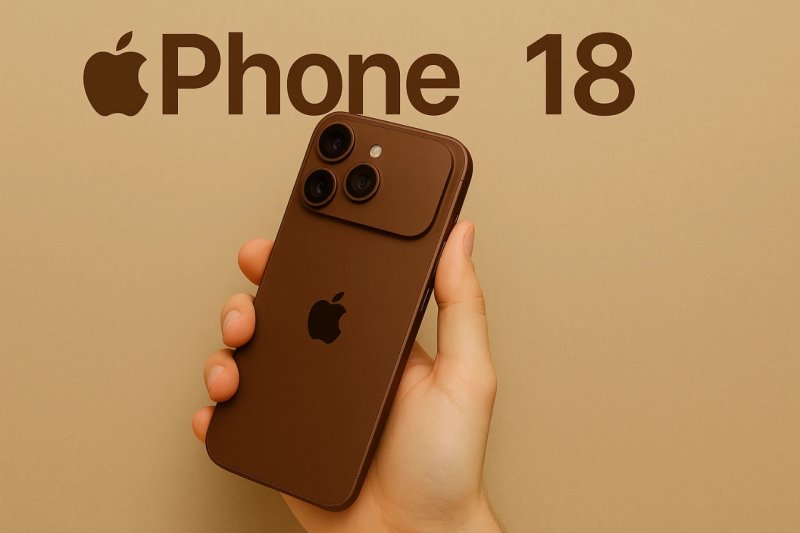
Apple’s next flagship, widely expected to be called the iPhone 18 Pro, is already generating buzz as early leaks point to one of the biggest design overhauls in years.
What will the iPhone 18 Pro look like?
The iPhone 18 Pro is expected to feature a sleek, minimalistic design that emphasizes a seamless surface. Apple is likely to eliminate the Dynamic Island and under-display cameras and Face ID sensors will be fully embedded beneath the screen.
RECOMMENDED STORIES
This creates an uninterrupted display, giving the front of the device a uniform and immersive appearance, marking one of the most significant visual upgrades in iPhone history.
Apple is reportedly focusing on a thinner and lighter profile for the iPhone 18 Pro. Advances in compact internal components and battery technology are expected to reduce overall thickness without compromising battery life or performance. The improved weight distribution will make the device feel more balanced and comfortable in hand, enhancing both usability and aesthetics.
What materials will the iPhone 18 Pro use?
The iPhone 18 Pro is likely to use advanced titanium alloy for its frame, offering superior strength-to-weight ratio compared to stainless steel. The back panel will probably remain glass to support wireless charging, but with a matte finish that resists fingerprints and improves grip. Apple may also introduce a ceramic-based coating for added scratch resistance, while color options could include graphite, silver, deep blue, and a new darker titanium tone.
What changes can we expect in the iPhone 18 Pro camera system?
The rear camera module is expected to be more integrated, with reduced camera bump height. Apple may use larger lenses for improved light capture while keeping the signature triangular lens arrangement. A LiDAR scanner and additional sensors are likely to be seamlessly incorporated, providing a clean, cohesive look. While a completely flat back is unlikely due to optical requirements, the camera system will appear more refined than previous models.
The iPhone 18 Pro is expected to feature either an improved OLED or next-generation microLED display. Users can anticipate higher brightness, better contrast, and greater energy efficiency. Adaptive ProMotion technology may support refresh rates beyond current limits, offering smoother scrolling, more responsive touch interactions, and enhanced immersive experiences for media, gaming, and professional applications.
Will the iPhone 18 Pro have physical ports?
There is strong speculation that Apple may eliminate all physical ports on the iPhone 18 Pro. The device could rely entirely on wireless charging, including advanced MagSafe technology, and data transfer through wireless protocols. This portless design would result in a cleaner, more durable phone with fewer points of entry for dust and moisture, representing a major step toward Apple’s fully wireless ecosystem.
The iPhone 18 Pro may continue Apple’s transition to solid-state buttons. These pressure-sensitive areas simulate clicks using haptic feedback, improving durability and offering customizable controls. The Action button introduced in earlier models is expected to remain, potentially with expanded functionality. Volume and power buttons may also adopt this design for a seamless, futuristic look.
How will Apple improve the internal design and thermal management?
Apple is likely to implement advanced thermal management systems to maintain high performance without overheating. New cooling materials or structural improvements could efficiently distribute heat, allowing the device to remain slim while supporting powerful processors and graphics. This internal optimization complements the device’s minimalistic and ergonomic exterior design.
What makes the iPhone 18 Pro design unique compared to previous models?
The iPhone 18 Pro is expected to embody a unified design language where every component feels integrated. From the uninterrupted display to the refined camera module and thin bezels, Apple aims for simplicity, precision, and functionality. Unlike previous iterations, the device will look less like a collection of parts and more like a single piece of engineered material, setting a new standard for premium smartphone design.
While current projections are based on industry trends, supply chain leaks, and Apple’s design history, the official design details will only be confirmed at launch. Until then, these predictions provide a realistic glimpse into how Apple is likely to evolve its flagship smartphone, combining aesthetics, performance, and innovation.
By Aysel Mammadzada


Similar news