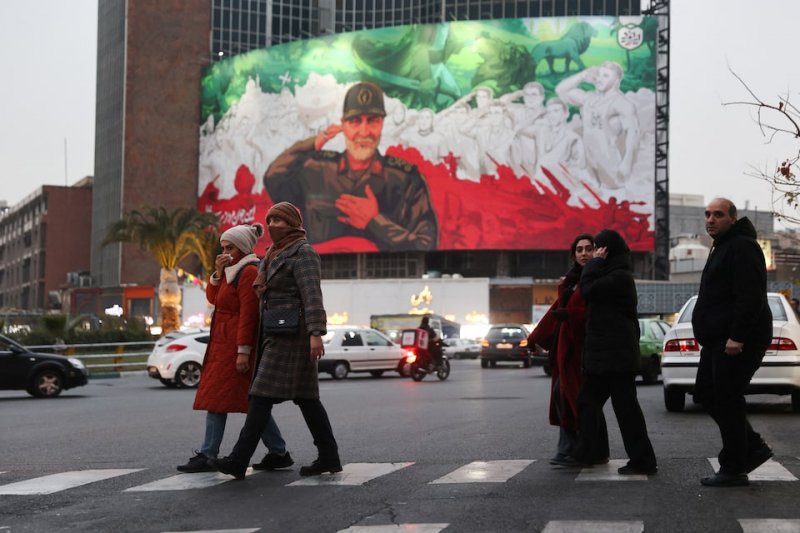
The protests, the largest wave of dissent in three years, began last month in Tehran’s Grand Bazaar, where shopkeepers protested the freefall of the national currency. They have since spread nationwide amid soaring inflation, economic hardship, and restrictions on political and social freedoms, News.Az reports, citing Reuters.
Chief Justice Gholamhossein Mohseni Ejei accused the United States and Israel of using “hybrid methods” to destabilize Iran, and said anyone participating in unrest would face strict consequences. Supreme Leader Ayatollah Ali Khamenei has also pledged not to “yield to the enemy.”
Rights groups report that at least 27 protesters have been killed and more than 1,500 arrested in the first 10 days of demonstrations, with western provinces experiencing the highest levels of violence. Kurdish-Iranian group Hengaw reports at least 20 deaths in Ilam, Lorestan, Kermanshah, Fars, Chaharmahal and Bakhtiari, and Hamadan provinces, while the HRANA network cites a higher toll of 36 deaths and more than 2,000 arrests.
Protests have included clashes with security forces, looting, and anti-government chants. In Abdanan, Ilam province, crowds were seen shouting slogans against Khamenei and storming food stores, highlighting the impact of skyrocketing prices on essential goods. Security forces intervened to disperse crowds, and authorities report casualties among police as well.
The unrest underscores growing public frustration over economic mismanagement, sanctions, and restricted freedoms, with authorities vowing a hard line against demonstrators.