Israel–Palestine conflict: A pivotal week of escalation, diplomacy, and humanitarian crisis


Over the past week, the Israel–Palestine conflict has entered a new and critical phase, News.az reports.
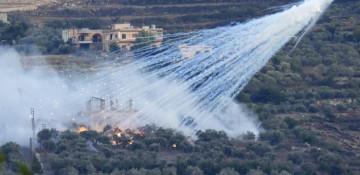
Military escalation on the ground in Gaza coincided with heightened diplomatic maneuvering, internal political tensions in Israel, and a worsening humanitarian crisis. While negotiations for a U.S.-brokered ceasefire plan intensified in Cairo, Israeli air and ground operations continued, causing heavy casualties and fueling protests around the world.
Wednesday, October 1 — Evacuation Warnings and Escalating Bombardment
The week opened with a dramatic escalation as Israel issued what it described as a “final opportunity” for Palestinians to evacuate Gaza City, warning of imminent intensified military action. The announcement came amid continued airstrikes on residential neighborhoods and public infrastructure, triggering new waves of displacement inside the Strip. Diplomatic efforts were underway behind the scenes, but they did little to slow the pace of bombardment. The warning signaled preparations for a potential large-scale ground incursion into northern Gaza.
Thursday, October 2 — Naval Blockade Tested, Global Reactions
Attention shifted to the Mediterranean as the Global Sumud flotilla, a coalition of international humanitarian vessels, attempted to breach Israel’s naval blockade of Gaza. Israeli naval forces intercepted most of the ships at sea, detaining hundreds of activists. One vessel briefly reached Gaza waters before being seized. Israel justified its actions by stating that the blockade is legal and aid should pass through designated crossings. The interception sparked widespread outrage and protests in Europe and the Middle East, with demonstrators calling for unrestricted humanitarian access to the enclave. The flotilla incident further heightened tensions at a time of growing international scrutiny of Israel’s military campaign.
Friday, October 3 — Intra-Palestinian Clashes and Diplomatic Posturing
Israel maintained its aerial offensive across the Strip, including strikes in Gaza City and the south, even as discussion around a new ceasefire proposal accelerated. On the Palestinian side, internal tensions came to the surface in Khan Yunis, where a Hamas-led raid against the powerful al-Mujaida clan resulted in armed clashes. The incident highlighted the growing fractures within Palestinian society, as rival groups and families vie for influence amid the chaos of war. At the same time, Hamas began to indirectly respond to the U.S.-backed peace proposal, signaling conditional willingness to engage while continuing to resist Israeli operations on the ground.
Saturday, October 4 — Protests Abroad and Strategic Calculations
As Israel began preparing for the first steps of a potential ceasefire plan, major anti-war demonstrations erupted across Europe. Hundreds of thousands of people took to the streets in cities such as Rome, Barcelona, and Madrid, demanding an end to the war and denouncing Israel’s blockade of Gaza. Within Israel, political divisions were becoming more visible. The government faced growing disagreement over whether to accept elements of the U.S.-brokered peace plan or continue the military campaign without concessions. This tension reflected deep fractures inside Israel’s ruling coalition, particularly between the prime minister and far-right ministers who opposed any deal involving Hamas.
Sunday, October 5 — Heavy Strikes and Cairo Talks
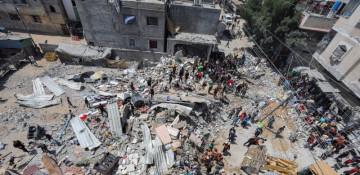
Just hours before indirect ceasefire negotiations were scheduled to begin in Cairo, Israel launched a new wave of air and artillery strikes that killed at least two dozen Palestinians, including civilians in both Gaza City and southern Gaza. Hospitals reported surges in casualties as buildings collapsed in heavily populated areas. Despite the ongoing military operations, delegations from both Israel and Hamas prepared to meet through Egyptian mediators to discuss the terms of a 20-point U.S. plan that included phased withdrawals, hostage exchanges, and Gaza demilitarization. Meanwhile, the deportation of flotilla activists continued, with dozens more foreign nationals expelled after being detained at sea. Hamas publicly expressed readiness to engage in prisoner exchange negotiations as part of the ceasefire framework.
Monday, October 6 — Mounting Psychological Strain and Global Demonstrations
As negotiations proceeded in Cairo, reports emerged of mounting psychological trauma among Israeli troops, including increased cases of post-traumatic stress and suicides following prolonged deployment in Gaza. The toll of the war on Israeli society was becoming more visible, adding pressure on the government to find a political resolution. Meanwhile, Israel continued to detain and deport activists intercepted in the flotilla. Around the world, massive pro-Palestinian demonstrations erupted in major cities, calling for an immediate ceasefire and humanitarian access. Diplomatic discussions remained intense but fragile, as both sides maneuvered over core issues such as hostages, governance in Gaza, and security guarantees.
Tuesday, October 7 — Stalemate and Mounting Humanitarian Pressure
As the week drew to a close, the situation in Gaza grew increasingly dire. Large parts of Gaza City and the northern Strip remained without electricity, clean water, or functioning medical services. Civilian displacement reached new levels, with hundreds of thousands forced into overcrowded shelters and makeshift camps. The International Committee of the Red Cross and other humanitarian agencies suspended operations in several zones due to security risks. Diplomatically, both Israel and Hamas held firm on key sticking points in the ceasefire plan, raising fears that the negotiations might stall. Political tensions inside Israel remained high, with far-right ministers threatening to break from the coalition if concessions were made.
A Week of Escalation and Fragile Diplomacy
This week underscored the dual trajectory of the conflict: relentless military escalation on the ground, and a simultaneous push for diplomacy through external mediation. Israel continued its strikes despite ceasefire talks, signaling that negotiations would not halt military operations. Hamas, facing military pressure and internal divisions, has shown tactical willingness to negotiate but is also seeking guarantees that go beyond short-term truces.
The humanitarian situation in Gaza is deteriorating rapidly. Years of infrastructure degradation, compounded by relentless bombardment, have left hospitals overwhelmed, power systems crippled, and water supplies contaminated. Evacuation orders have displaced vast segments of the population, creating a crisis that aid agencies warn could soon reach catastrophic levels if access is not restored.
Politically, Israeli leadership faces growing domestic strains, as far-right elements of the government resist diplomatic compromises, and public discontent grows over the toll of the war on soldiers and civilians. Internationally, protests have intensified, reflecting widespread frustration over the prolonged conflict and the humanitarian suffering in Gaza.
Outlook
As ceasefire negotiations continue in Cairo, the coming days are likely to be decisive. A breakthrough could pave the way for a phased end to active hostilities, hostage exchanges, and a new security arrangement in Gaza. However, entrenched positions on both sides, coupled with domestic political pressures, make the path to any lasting resolution precarious. Meanwhile, for civilians in Gaza, each day of delay means worsening hardship under siege and bombardment.


Similar news