Jet fuel surge hits airlines despite hedging strategies


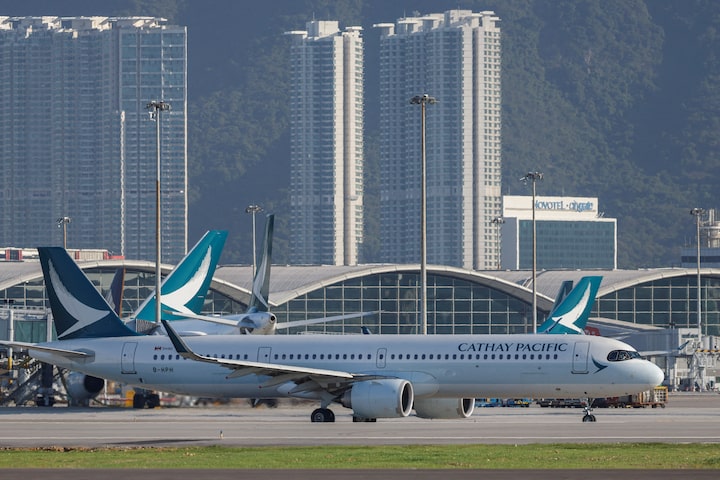
Airlines around the world are struggling to contain costs after jet fuel prices surged far faster than crude oil, forcing carriers to raise fares, add fuel surcharges and cut flight capacity.
The price spike has intensified since the outbreak of the Iran conflict involving the United States and Israel, which has shaken global energy markets and disrupted fuel supply chains, News.Az reports, citing Reuters.
Jet fuel prices typically move in line with crude oil benchmarks such as Brent Crude, but the gap has widened sharply this year. While crude oil prices have climbed by roughly one-third, jet fuel prices have more than doubled, putting heavy pressure on airline margins.
RECOMMENDED STORIES
Many airlines use fuel hedging contracts to protect themselves against sudden spikes in oil prices. These financial instruments allow companies to lock in fuel costs in advance.
However, industry executives say the current surge highlights a major weakness: most airlines hedge crude oil rather than jet fuel itself.
“Our hedging is on crude oil rather than jet fuel,” said Rebecca Sharpe, chief financial officer of Cathay Pacific Airways.
“While we do have some protection from that hedging, it doesn’t fully cover jet fuel price increases.”
Analysts warn that low-cost airlines may feel the biggest impact because their customers are highly price-sensitive.
“These carriers tend to get squeezed the most in this environment,” said Nathan Gee, head of Asia-Pacific transportation research at Bank of America.
Major airlines in the United States and China often do not use hedging contracts at all, leaving them fully exposed to rising fuel prices.
According to estimates by JPMorgan Chase, a sustained 10% rise in jet fuel prices could reduce operating profit at Wizz Air by as much as 31% this year.
Other major European airline groups, including Air France‑KLM, Lufthansa Group, International Airlines Group, and Ryanair, could see profit impacts ranging from 3% to 10%.
Some airlines are already passing rising costs on to passengers.
Carriers such as Qantas Airways and Air New Zealand, which are heavily hedged against crude oil prices, have still raised ticket prices to protect margins.
Industry analysts say jet fuel refining margins — the difference between crude oil and jet fuel prices — widened dramatically during the conflict, reaching as high as $144 per barrel at one point before easing.
Because the jet fuel derivatives market is relatively small and expensive, many airlines avoid hedging directly against jet fuel prices.
“Fuel prices can be highly volatile and we don’t have a crystal ball,” Sharpe said.
By Aysel Mammadzada


Similar news