Latest developments on the Russia-Ukraine war over the past 24 hours


In the past 24 hours, Russia has launched one of its largest coordinated aerial assaults in recent months, targeting critical energy, gas, and infrastructure facilities across Ukraine, News.az reports.
The offensive, which began late on Thursday night and continued into Friday morning, involved over 300 Iranian-made Shahed drones and 37 missiles, according to the Ukrainian Air Force.
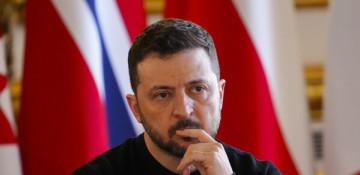
The primary target of the assault was the Shebelinka gas processing plant in Kharkiv Oblast — one of Ukraine’s key facilities supplying natural gas to the national grid. Ukrainian officials reported that multiple missiles struck the site, causing a major fire and temporarily halting operations. Firefighting crews worked throughout the night to contain the blaze. Other critical energy sites in Dnipropetrovsk, Poltava, and Odesa regions were also hit. Ukraine’s national energy operator, Ukrenergo, reported power outages in at least eight regions, warning that emergency rolling blackouts may continue for several days while repairs are underway. President Volodymyr Zelenskyy condemned the strikes, saying that Moscow is once again “weaponizing winter” by trying to cripple Ukraine’s energy system before the onset of cold weather. “Their goal is to leave millions of Ukrainians without heat and light,” he stated in an evening address.
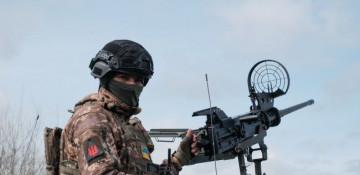
Ukraine’s air defense systems intercepted a large number of incoming drones and missiles, particularly around Kyiv and central regions. Officials claim around 240 drones were shot down overnight, though debris caused damage to residential buildings in several cities, including Vinnytsia and Cherkasy. Despite the defensive success rate, military experts warn that Russia is testing Ukraine’s air defense endurance and stockpile of interceptor missiles, which has been under strain after months of continuous barrages.
Ukrainian intelligence services released new evidence alleging that North Korean soldiers embedded with Russian forces are now actively flying drones and directing strikes in northern Ukraine, particularly in Sumy Oblast. Intercepted communications reportedly show North Korean drone operators coordinating with Russian artillery units. This marks a significant escalation of Pyongyang’s involvement in the war and underscores growing military cooperation between Moscow and Pyongyang. Western intelligence sources are still verifying the claims, but Washington has previously expressed concern about unprecedented levels of military collaboration between the two countries.
President Zelenskyy is currently on a high-stakes visit to Washington, D.C., where he met U.S. President Donald Trump amid growing uncertainty over future American military aid. The Ukrainian leader is pressing for the delivery of long-range Tomahawk cruise missiles, additional air defense systems, and assistance in domestic arms manufacturing. U.S. officials are exploring agreements with defense companies such as Raytheon and Lockheed Martin to enable Ukraine to produce ammunition and components domestically. This shift aims to reduce Kyiv’s dependence on foreign deliveries, which have become politically contentious in the U.S. Trump has also held a phone call with Russian President Vladimir Putin and is expected to meet him in Budapest in the coming weeks for direct talks — a diplomatic move that has drawn mixed reactions in Kyiv and European capitals. Ukrainian officials have cautiously welcomed potential talks but warned against any settlement that would “freeze the conflict on Russia’s terms.”
The latest wave of strikes highlights Moscow’s winter strategy — using systematic attacks on energy infrastructure to undermine Ukrainian morale, strain civilian resilience, and pressure Kyiv diplomatically. The humanitarian situation is expected to worsen as temperatures drop. Aid agencies warn that millions could face heating shortages, particularly in eastern and northern regions. Ukraine’s government is rushing to repair damaged facilities and strengthen air defense coverage around energy hubs. Meanwhile, analysts note that the scale and coordination of this week’s attacks indicate Russia’s intent to maintain a high operational tempo through the winter, possibly to gain leverage ahead of any peace talks.


Similar news