New Dutch PM Jetten faces tough road with minority government


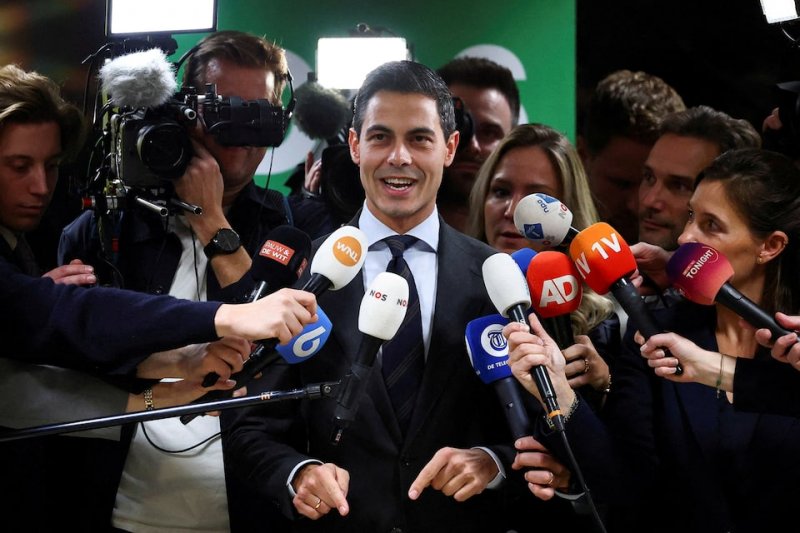
Rob Jetten was formally sworn in as the Netherlands’ youngest-ever prime minister on Monday, but faces an uphill battle as he leads a minority government that will require opposition backing to govern.
Jetten, 38, took office after his coalition was confirmed by King Willem-Alexander, following an election victory last October by his progressive, pro-EU Democrats 66 (D66) party, News.Az reports, citing Reuters.
His centre-right coalition, made up of D66, the Christian Democrats and the liberal VVD, controls only 66 of the 150 seats in the lower house of parliament and lacks a majority in both chambers, forcing it to seek support from opposition parties for every major proposal.
RECOMMENDED STORIES
The new government marks a rare experiment in the euro zone’s fifth-largest economy, which has traditionally been governed by majority coalitions. Analysts say forming stable majorities has become increasingly difficult as Dutch politics fragments and centrist parties lose ground.
Opposition parties have already criticised the coalition’s plan to fund a historic increase in defence spending through cuts to welfare and healthcare. The government aims to raise defence spending to NATO’s new target of 3.5% of gross domestic product by 2035, up from around 2% today, partly through a proposed “freedom tax” surcharge on income.
Left-wing opposition leader Jesse Klaver called the plans unfair, saying they would disproportionately hit lower-income households. Nationalist leader Geert Wilders has said he will oppose all initiatives put forward by Jetten’s government.
The coalition has also pledged tougher asylum policies, a long-running fault line in Dutch politics that brought down the previous two governments, as well as reforms to unemployment benefits, healthcare contributions and retirement age rules.
Jetten has sought to downplay the risks of leading a minority government, describing the lack of a majority as an opportunity for broader cooperation in parliament. He has also signalled a willingness to adjust policies before the final budget is drafted.
Defence policy will be overseen by new minister Dilan Yesilgoz, who previously led the VVD and is tasked with managing the planned surge in military spending.
By Aysel Mammadzada


Similar news