New gas discovery off cyprus coast could reduce EU energy dependence


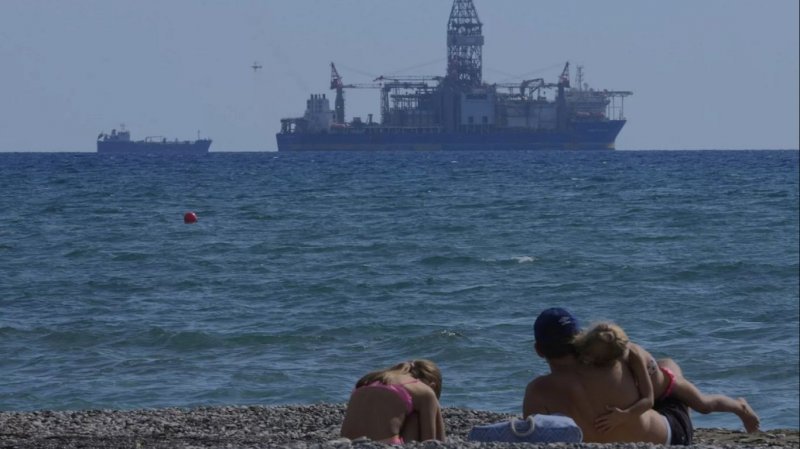
ExxonMobil and its partner Qatar Energy have announced a significant new natural gas discovery off the coast of Cyprus, potentially strengthening the region’s role as an emerging energy exporter and offering Europe an alternative to Russian hydrocarbons.
The consortium’s latest find, the Pegasus-1 well, lies approximately 190 kilometers southwest of Cyprus beneath nearly 2,000 meters of water. While exact quantities of gas have yet to be determined, Cyprus’ government said further assessments are underway in the coming months, News.Az reports, citing Euronews.
This marks the sixth natural gas deposit discovered within Cyprus’ exclusive economic zone in the past 14 years, building on previous finds such as Glaucus-1, Zeus, Cronos, Calypso, and the largest Aphrodite field. For example, Glaucus-1 is estimated to hold about 3.7 trillion cubic feet of gas, while Aphrodite is believed to contain approximately 5.6 trillion cubic feet.
The discoveries come amid increasing efforts to diversify European energy sources and reduce dependence on Russian supplies. John Sitilides, senior fellow at the Foreign Policy Research Institute, emphasized the strategic importance of these developments, urging support from Washington and Brussels to advance energy independence and bolster economic re-industrialization in Europe.
The Cypriot government confirmed that ExxonMobil’s Vice President John Ardill briefed President Nikos Christodoulides about the Pegasus-1 discovery during a recent teleconference.
Energy partnerships in the region are also growing. Blocks near Cyprus’ gas fields are operated by consortia including Italy’s Eni and France’s Total, while Chevron, NewMed Energy, and Shell manage the Aphrodite field. Plans are underway for gas from Cyprus to be exported via pipelines to Egypt, where it can be processed for domestic use or re-exported to Europe and other markets.
Cyprus’ Energy Minister George Panastasiou noted potential collaboration among ExxonMobil, Eni, and Total to jointly develop the closely located gas deposits, signaling a new phase of regional cooperation in the Eastern Mediterranean energy sector.
This discovery reinforces Cyprus’ position as a key player in the evolving geopolitics of energy supply, offering promising prospects for Europe’s energy security and diversification goals.


Similar news