Russia plans to replace Black Sea Fleet commander


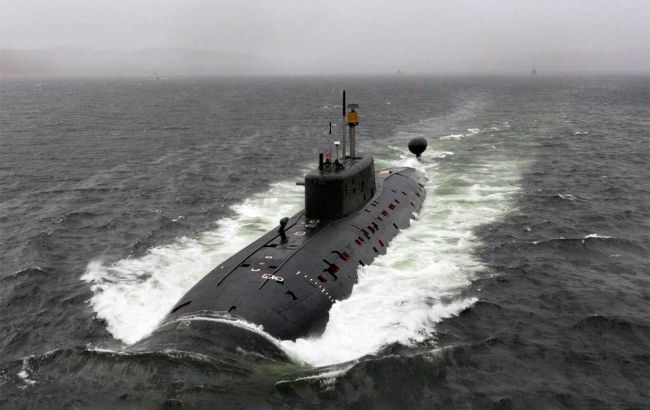
Russia’s military command is reportedly preparing to replace the head of its Black Sea Fleet following repeated defense failures and ineffective responses to Ukrainian drone attacks, according to the ATESH partisan movement.
ATESH sources claim that Russian military leadership is considering removing the current Black Sea Fleet commander, Admiral Sergei Pinchuk. The reported reason is persistent security lapses at naval bases and ships, along with poor performance in countering Ukrainian unmanned sea drones, News.Az reports, citing foreign media.
Partisan agents operating near fleet headquarters say several candidates are being discussed as possible replacements. The most likely successor is reported to be First Deputy Commander Vice Admiral Akhmerov.
ATESH also stated that its network has played a direct role in exposing vulnerabilities in the Black Sea Fleet. Since 2022, the group claims to have gathered intelligence on ships, repair yards, naval bases and military units in Crimea and Novorossiysk, sharing information that has enabled Ukrainian forces to carry out successful strikes.
According to the movement, Russian defenses have repeatedly failed to protect key maritime infrastructure. In the past six months alone, ATESH alleges at least eight successful Ukrainian drone attacks on Black Sea Fleet facilities, including bases in Sevastopol and other parts of Crimea. In several incidents, detection systems reportedly failed, and response times were delayed by up to 40 minutes, leading to damage to vessels and infrastructure.
The partisans say these failures have been documented in internal military reports, prompting discussions at higher levels about changing fleet leadership.
Separately, ATESH recently claimed responsibility for attacking a key communications command facility of the Black Sea Fleet in Novorossiysk, which reportedly coordinates fleet operations with Russia’s broader armed forces. Meanwhile, Ukrainian officials have stated that Russian naval activity in the Sea of Azov has decreased due to increased risks from drone strikes.
By Aysel Mammadzada


Similar news