Trump dismisses Iran proposal as ‘not a letter of surrender’, Iranian official says


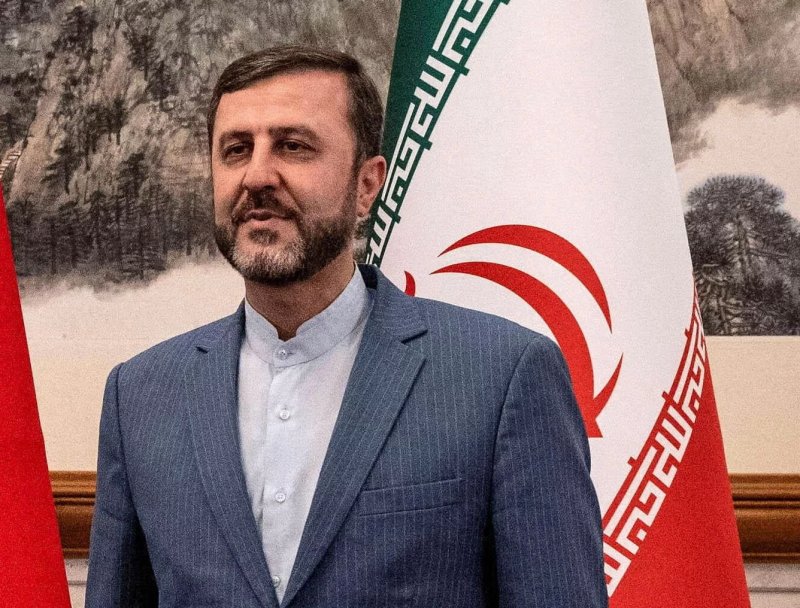
The United States rejected Iran’s latest peace proposal because it was not a “letter of surrender”, a senior Iranian diplomat has said, alleging that Washington seeks to impose its will through intimidation and pressure rather than genuine diplomacy.
“True peace cannot be built with a language of humiliation, threats and coercive score-settling,” Deputy Foreign Minister for Political Affairs Kazem Gharibabadi said in a post on social media on Wednesday, News.Az reports, citing Iran’s English-language Press TV.
RECOMMENDED STORIES
According to Press TV, US President Donald Trump dismissed a peace plan aimed at ending what Tehran described as the illegal war of aggression presented by Iran on Sunday. Gharibabadi said the response was “totally unacceptable”.
“When the party that has directly played a role in war, siege, sanctions and threats through brute force rejects Iran’s response solely because it is not a letter of surrender, it becomes clear that the main issue is not peace, but the imposition of political will through threats and pressure,” the Iranian deputy minister said.
The official reiterated Tehran’s stated principles for any sustainable agreement.
“The Islamic Republic of Iran has emphasised clear principles: the permanent cessation of war and its non-repetition, compensation for damages, lifting of the siege, removal of illegal sanctions and respect for Iran’s rights.”
“These are not maximalist demands; they are the minimum requirements of any serious, sustainable arrangement aligned with the United Nations Charter to end a crisis that began with the unlawful resort to force.”
Gharibabadi pointed to what he described as inconsistencies in Washington’s position.
“One cannot speak of ceasefire while continuing the siege; talk of diplomacy while intensifying sanctions; or discuss regional stability while providing political and military support to a regime that is the source of aggression and instability.”
“Such an approach is not negotiation; it is the continuation of a policy of coercion with diplomatic language,” he said.


Similar news