US Pentagon estimates Iran war cost has reached nearly $29 billion


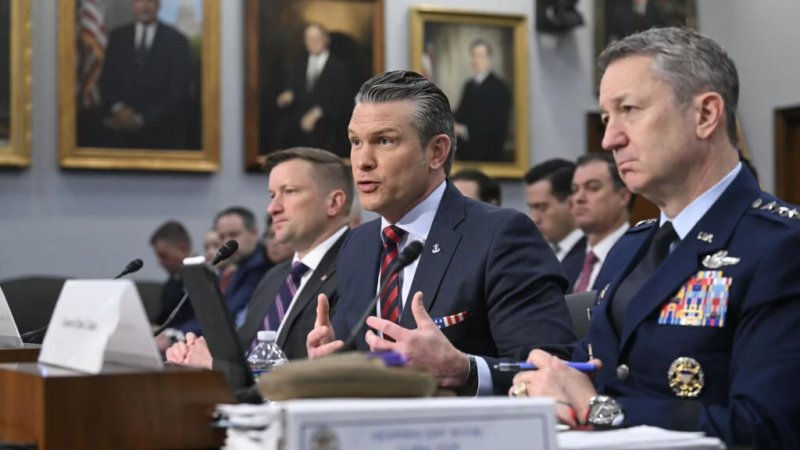
The cost of the war involving United States and Iran has risen to nearly $29 billion, according to the Pentagon, as officials faced increased scrutiny over military spending and readiness during congressional hearings.
The updated figure was presented on Capitol Hill during testimony on the administration’s $1.5 trillion defense budget request for 2027. Pentagon finance officials said the estimate had increased from about $25 billion reported two weeks earlier, citing rising operational expenses and costs related to repairing and replacing military equipment, News.Az reports, citing France 24.
Defense officials told lawmakers that the figures are regularly revised as new data becomes available, with ongoing assessments of equipment usage and battlefield losses contributing to the updated total.
RECOMMENDED STORIES
The hearing also reflected growing political tension over the war’s cost and its strategic outcomes. Democratic lawmakers questioned whether Congress was receiving full transparency regarding the financial and military impact of the conflict, including potential damage to U.S. infrastructure and equipment.
Some members of Congress argued that the total cost of the war could be significantly higher when factoring in indirect losses and long-term replenishment needs for advanced weapons systems.
Pentagon officials defended the administration’s position, saying that U.S. military stockpiles remain sufficient despite heavy use of missile defense systems and other munitions during operations in the Middle East. They also emphasized that preventing Iran from developing nuclear weapons remains a key strategic objective.
The debate comes amid a fragile ceasefire between the United States and Iran, which officials have described as unstable following recent diplomatic setbacks and continued regional tensions.
Lawmakers from both parties have continued to dispute the administration’s handling of the conflict, with some calling for clearer authorization and oversight of military operations.
By Leyla Şirinova


Similar news