Russia–Ukraine war: A week of escalation, strikes and stalemate


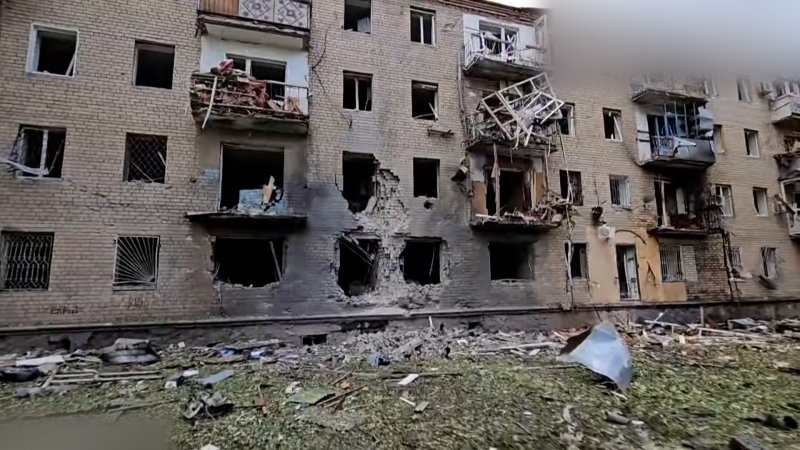
The Russia–Ukraine conflict entered a new phase of intensity last week, marked by one of the heaviest aerial bombardments in months, mounting pressure on Ukraine’s energy and transport infrastructure, fierce battles in Donetsk, and renewed appeals by Kyiv for stronger Western support, News.az reports.
Monday–Tuesday: Diplomatic Stage and New Strikes
At the start of the week, Ukraine’s President Volodymyr Zelensky used the UN General Assembly platform to urge tougher sanctions against Russian energy exports and renewed calls for advanced air defense systems. “Decisive action is long overdue,” Zelensky told delegates, warning that Russia’s revenues from oil and gas sales continue to fuel the war.
At the same time, Russian forces claimed to have captured several villages in eastern Ukraine, while Ukraine launched long-range drone strikes against an oil pumping station in Russia’s Chuvashia region, causing a fire and disrupting operations. Moscow denounced the attack as terrorism, while Kyiv hailed it as part of its strategy to degrade Russia’s war machine beyond the frontlines.
Mid-week: Mega Arms Deal and Nuclear Plant Alarm
On September 24–25, Zelensky announced that Kyiv was negotiating what he described as a “mega arms deal” with the United States, reportedly valued at $90 billion. The package includes drones, long-range missiles, and additional air defense systems. Ukrainian officials also confirmed that a Patriot battery supplied via Israel was already operational, with two more systems expected in the coming months.
Meanwhile, the Zaporizhzhia nuclear power plant, under Russian control, entered its fifth consecutive day on emergency diesel generators after power lines were cut. The International Atomic Energy Agency (IAEA) expressed “serious concern” about the risks of a nuclear incident, noting that repeated disconnections highlighted the vulnerability of Europe’s largest nuclear facility.
Friday–Saturday: Frontline Battles Intensify
In Donetsk Oblast, heavy clashes erupted around Pokrovsk and Dobropillia. Russian troops attempted to advance toward supply roads and encircle Ukrainian units, while Ukrainian counter-attacks recaptured several positions. Analysts described Russia’s approach as one of attrition—slow but steady advances backed by superior artillery fire rather than dramatic breakthroughs.
At the same time, Russian missiles and drones continued targeting Ukraine’s railway network, striking power substations and key junctions. Railways remain a crucial lifeline for Ukraine’s economy and military logistics, carrying grain exports and supplies to the front. Ukrainian Railways reported multiple disruptions but said services were restored quickly with diesel locomotives and emergency repairs, though at great cost.
Sunday: Russia’s Largest Strike in Months
The week culminated in the night of September 27–28, when Russia launched a massive combined assault involving nearly 600 Shahed drones and 48 missiles across Ukraine. Kyiv, Odesa, Mykolaiv, and Zaporizhzhia were all targeted. Ukraine’s air defense systems intercepted most of the projectiles, but the scale of the attack overwhelmed defenses in some areas.
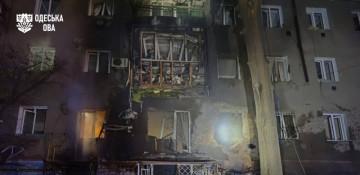
At least four civilians were killed, including a 12-year-old girl, and more than 60 were injured. Residential buildings, a cardiology clinic, and industrial facilities were damaged or destroyed. In response, Poland scrambled fighter jets and temporarily closed its eastern airspace to civilian flights.
Zelensky condemned the attacks as “vile and cowardly,” while urging Western partners to accelerate deliveries of long-range weapons and cut off Russia’s energy income. “The free world must finally act decisively,” he said.
Western Reactions and Escalation Risks
Washington is reportedly considering supplying Ukraine with Tomahawk cruise missiles, which would give Kyiv the ability to strike targets deep in Russian-occupied territory. While such a move could alter the battlefield dynamic, it risks escalating the conflict. Moscow has already warned that any new long-range weapons deliveries will draw a “decisive response.”
European allies continue to pledge ammunition and artillery supplies, but production bottlenecks limit the pace. Discussions also focus on strengthening Ukraine’s air defense shield before winter, as Russia is expected to renew its strategy of targeting energy infrastructure.
The Week in Perspective
The past week highlighted the dual tracks of the war: brutal military escalation on the ground and in the skies, alongside a frozen diplomatic landscape. Russia’s aerial campaign shows a determination to wear down Ukrainian morale and infrastructure, while its steady pressure in Donetsk reflects a long-term attritional strategy.
Ukraine, for its part, is increasingly leaning on Western partners for advanced weapons that could offset Russia’s firepower. The potential delivery of Tomahawks and new Patriot systems could mark a turning point, but also carries the danger of further escalation.
For now, both sides remain locked in a war of endurance, with no sign of compromise. As winter approaches, the question is not whether the fighting will continue, but how much more destructive it will become.


Similar news