Russia–Ukraine war: Drone strikes, energy disruptions and renewed diplomacy


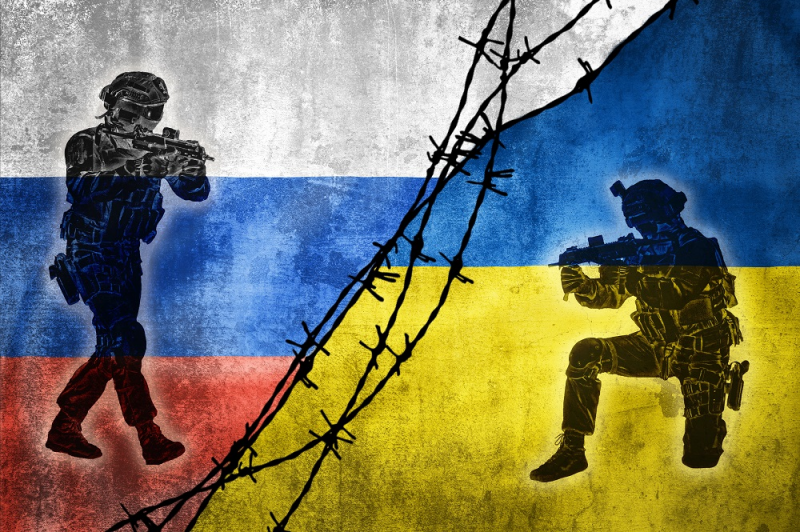
The past 24 hours of the Russia–Ukraine war have been marked by intensified drone warfare, fresh reports of civilian casualties, escalating pressure on Ukraine’s energy system and a new wave of diplomatic activity in Europe and at the United Nations, News.az reports.
While the front line remains largely static, the conflict continues to evolve through long-range strikes, information operations and political manoeuvring as winter deepens.
Drone warfare surges over Crimea and occupied territories
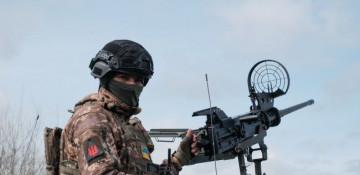
Russian authorities reported that their air defence systems intercepted more than one hundred Ukrainian drones overnight, with many of them targeting occupied Crimea. Ukrainian officials did not publicly confirm the scale of the operation, consistent with Kyiv’s usual policy of limiting commentary on long-range strikes. However, the pattern reflects a broader shift in Ukraine’s strategy: extending its reach deep into Russian-controlled territory to disrupt military logistics, air defence systems and naval assets.
In Russian-occupied areas of southern Ukraine, local administrations said that earlier drone attacks had damaged civilian energy infrastructure, leaving thousands of residents without power. Ukrainian strategists have increasingly prioritised strikes on command centres, radar installations and ammunition depots, aiming to complicate Russia’s ability to sustain large-scale operations along the front.
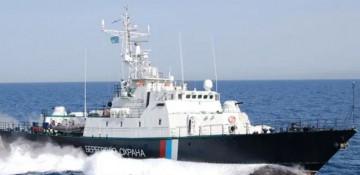
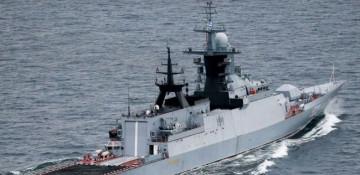
Meanwhile, independent analysts have highlighted Ukraine’s growing maritime drone capability in the Black Sea. The latest assessments indicate that Ukrainian sea-drone activity has forced Russia to reposition key naval vessels farther from the coast, limiting Moscow’s ability to threaten Ukrainian ports or enforce sea blockades. This development has allowed Ukraine to partially reopen export routes, a crucial factor for the country’s food and metals industries.
Civilian toll rises as Ukraine recovers from earlier attacks
Within Ukraine, the humanitarian costs of the war continue to mount. In the western city of Ternopil, authorities updated the death toll from an earlier Russian attack, confirming dozens of fatalities, including children. The strike, which hit a residential district, reinforced concerns about the continuing vulnerability of civilian areas even far from the front.
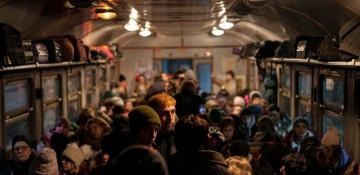
In the northeast, the city of Sumy is still struggling with major power outages after a recent wave of Russian drone strikes on energy facilities. Emergency repair teams have been working around the clock, but officials warn that full restoration of electricity may take several days. As temperatures drop, local authorities have expanded heating shelters and emergency water distribution points.
The broader energy situation across Ukraine remains precarious. Earlier in the week, Russia launched one of its largest aerial barrages in months, targeting power plants, substations and transmission lines across multiple regions. The strikes forced several nuclear plants to temporarily reduce output and prompted rolling blackouts in major cities. Even 24 hours later, the effects continue to ripple across the country, with fluctuating voltage levels and regional restrictions on electricity use.
Frontline update: Pressure on logistics and static fighting
No major territorial changes were reported over the past 24 hours, but fighting remains active along several parts of the front, particularly in Donetsk, Luhansk and the southern axis of Zaporizhzhia.
Russian forces have continued to strike bridges and transport corridors near the boundary between Zaporizhzhia and Dnipropetrovsk regions. These strikes appear designed to disrupt Ukrainian supply lines and restrict troop movements. Ukrainian military officials have responded by diversifying supply routes and increasing the use of rapid-deployment repair teams.
Positional battles continue around long-contested towns, with both armies relying heavily on drones, artillery and guided aerial munitions. Military analysts note that the current phase of the war is defined less by sweeping battlefield manoeuvres and more by the systematic degradation of enemy infrastructure, command systems and logistics.
Reports have also emerged that Russian actors are attempting to fuel political destabilisation inside Ukraine, seeking to amplify public frustration over economic challenges, mobilisation issues and winter energy shortages. Such efforts reflect a parallel battlefield in which political influence operations are deployed alongside military pressure.
European partners intensify peace diplomacy
Diplomatic activity has increased sharply over the past 24 hours, particularly among European leaders seeking to shape a potential peace framework.
High-level meetings in London focused on strengthening “robust security guarantees” for Ukraine as part of any future settlement. European leaders pledged to enhance both military assistance and economic support, while also preparing for potential long-term commitments to Ukraine’s defence sector and reconstruction.
Following the London talks, President Volodymyr Zelensky is expected to travel to meet Italy’s Prime Minister Giorgia Meloni as part of his ongoing effort to secure binding international commitments. Kyiv is prioritising long-term air defence supplies, artillery stocks and financial support to stabilise Ukraine’s economy during winter and prepare for future negotiations.
European officials described the current diplomatic moment as “critical,” noting that while battlefield lines have remained largely static for months, political dynamics are shifting. Several governments are aiming to ensure that any peace process preserves Ukraine’s sovereignty, deters future Russian aggression and does not reward the use of force.
Zelensky reaffirms territorial red line
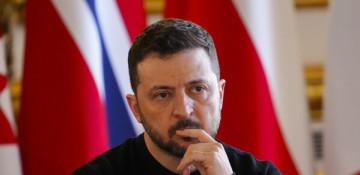
In a televised address and subsequent remarks, Zelensky reiterated that he “has no right” to give up Ukrainian territory in any peace agreement. The statement comes amid speculation that some international actors might encourage Kyiv to consider concessions to accelerate negotiations.
Zelensky emphasised that Ukraine’s constitution and public will require the complete restoration of the country’s internationally recognised borders. His remarks also served to reassure Ukrainian citizens after months of heavy attacks and growing fatigue from the war’s social and economic consequences.
UN Security Council prepares new briefing on Ukraine
The United Nations Security Council is scheduled to hold an open briefing on Ukraine following requests from several member states concerned about the humanitarian situation and the escalation of long-range strikes. The discussion is expected to feature updates on civilian casualties, damage to critical infrastructure and the status of peace initiatives.
Although the council remains divided, with Russia holding veto power, these sessions provide a platform for raising international attention and documenting the broader consequences of the conflict—particularly as winter amplifies the suffering of civilians.
Global economic impact and legal context
International energy markets continue to react to developments in Ukraine. Oil prices steadied over the past 24 hours after earlier volatility linked to expectations around U.S. monetary policy and uncertainty over the direction of Ukraine–Russia peace talks. Analysts warn that further escalation, especially involving strikes near major energy infrastructure, could once again push markets higher.
European legal experts, meanwhile, are discussing how sanctions against Russia might evolve in the event of a peace agreement. Ideas being considered include maintaining certain restrictive measures related to human rights, war crimes and accountability, even if a ceasefire is reached. Such discussions highlight the complexity of balancing diplomatic incentives with the need to uphold international law.
A dual-track conflict: escalating strikes and growing diplomacy
The developments of the past 24 hours reveal a war unfolding on two interconnected tracks. Militarily, both sides continue to rely heavily on drones, precision strikes and attritional tactics to weaken each other’s infrastructure and supply systems. Civilians remain on the front line of these attacks, facing electricity shortages, heating disruptions and frequent air raid alerts.
Politically, international diplomacy is intensifying, with Europe taking a more assertive role alongside the United States. Yet the gap between Russian and Ukrainian negotiating positions remains wide. Ukraine insists on full sovereignty and restoration of its territory, while Russia shows no indication of abandoning its strategic objectives.
For now, the near-term trajectory of the war will depend on two key factors: the ability of each side to sustain long-range strike campaigns during the winter months, and whether international diplomacy can create enough momentum to push the conflict toward a structured peace process. The coming days may provide clearer signals on both fronts, but as of now the war remains deeply entrenched, with no immediate breakthrough in sight.


Similar news