Russia–Ukraine war: Day-by-day chronology of the past week


Russia’s war in Ukraine has entered the final days of 2025 with a mix of intense fighting on the ground, deep-strike campaigns against energy infrastructure, and the most serious diplomatic push so far toward a possible peace deal, News.az reports.
Since 22 December, the front has remained highly active along several axes, while high-level talks in Florida involving Ukrainian President Volodymyr Zelenskyy and United States President Donald Trump have produced claims of “major progress” on a framework to end the conflict – but no breakthrough yet on territory and long-term security arrangements.
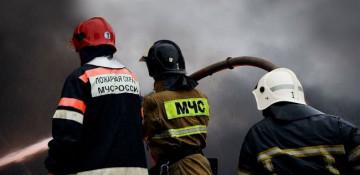
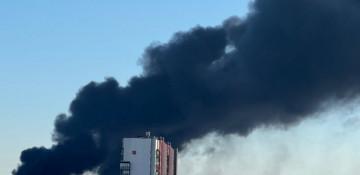
On 22 December, the conflict again spilled deep into Russia’s rear when a car blast in Moscow killed Lieutenant General Fanil Sarvarov, a senior officer linked to operational planning for the war. Russian authorities opened a terrorism investigation and signaled a possible Ukrainian connection. That same day, drones struck the Stavrolen petrochemical plant in the Stavropol region, setting off a major fire, while another Russian drone strike derailed a train in Ukraine’s Zhytomyr region.
The fighting on the front lines around this period was described by Ukrainian officials as “extremely difficult,” particularly in the east. Russian forces attempted to push across the Siverskyi Donets River and increased pressure in sectors including the Pokrovsk and Kupiansk directions, contributing to more than 200 frontline clashes in a single day by Ukrainian estimates. At the same time, Ukraine continued deploying new technology, including unmanned ground vehicles. One robotic platform was reported to have held off Russian attacks for 45 days at a single position, underlining the growing role of autonomous and remotely controlled systems in the conflict.
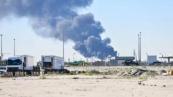
In the following days, Ukraine intensified its campaign against Russian energy and logistics infrastructure. Ukrainian long-range drones and missiles struck oil and petrochemical facilities, including an attack on Russia’s Novoshakhtinsk refinery. These operations formed part of a broader strategy to increase economic and logistical pressure on Moscow while demonstrating strike reach deep inside Russian territory. Ukrainian forces also targeted port infrastructure and vessels in southern Russian regions earlier in the week.
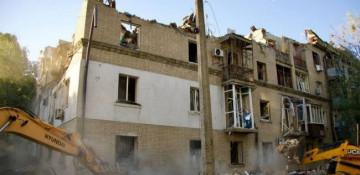
Russia responded with one of the largest air assault waves in recent months. Overnight on 26–27 December, Russian forces launched a combined barrage of missiles and drones, heavily targeting Kyiv and surrounding regions as well as other Ukrainian cities. Ukrainian officials reported multiple casualties and dozens of injuries, including children, while strikes on critical infrastructure caused blackouts and disrupted energy supplies in winter conditions. Analysts assessed that Russia appeared to be pursuing a sustained effort to erode Ukraine’s energy system and air defences as temperatures drop.
Russian ground forces attempted to translate these bombardments into local advances. Moscow claimed the capture of additional settlements in eastern Ukraine on 27 December and spoke of steady gains in the Donbas. Independent assessments suggested that while Russian troops have pushed forward in some sectors, progress remains slow and costly, constrained by manpower and equipment limitations. Fighting also continued in the northeast near the Velykyi Burluk area, though without confirmed major advances.
Ukraine, meanwhile, maintained pressure against Russian infrastructure targets. On 28 December, Ukrainian drones reportedly struck the Syzran oil refinery in the Samara region and hit at least two power substations, triggering local power outages. Kyiv’s strategy appears intended to disrupt Russian fuel supplies, logistics networks and morale, while showing that sites far from the front line are not insulated from the war.
The week also brought a rare example of localized de-escalation. Ukraine and Russia agreed to a temporary ceasefire around the Russian-occupied Zaporizhzhia Nuclear Power Plant to allow technicians to repair damaged power transmission lines under international supervision. The move highlighted ongoing nuclear safety risks created by the conflict, and the readiness of both sides, at least in limited circumstances, to pause hostilities near such sensitive infrastructure.
Alongside battlefield developments, diplomacy accelerated. A US-backed peace framework with around 20 key points has been circulating among the parties. The plan is believed to cover security guarantees for Ukraine, limits on Russian troop deployments near the border, and future arrangements relating to military alliances. Moscow has pushed back against elements of the proposal and signaled that it sees the framework as the start of negotiations rather than a final agreement, while seeking stricter limits on Ukraine’s military capacity.
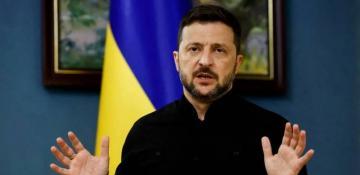
The most visible diplomatic moment came on 28 December, when President Zelenskyy travelled to Florida for direct talks with President Trump. After the meeting, Trump said the two sides were “a lot closer” to a deal, suggesting that most issues related to security guarantees had been addressed and that a comprehensive settlement might be within reach. He also said he had spoken with Russian President Vladimir Putin ahead of the talks and emphasized that any durable settlement would have to involve Moscow as well as Kyiv.
However, the most sensitive question remains unresolved: territory. Russian officials insist that any peace agreement must acknowledge their control over the whole of the Donbas and other occupied areas. Kyiv has repeatedly said it will not accept further losses of land and would prefer to freeze the front lines roughly along current positions rather than concede additional territory. Observers generally agree that border questions and the status of occupied regions are likely to be the hardest issues in any settlement.
Ukraine also worked to maintain support from key partners. President Zelenskyy held talks with Canada’s Prime Minister Mark Carney before his Florida visit. Carney stressed that a lasting peace would require willingness from Moscow and denounced Russia’s most recent bombardment of Kyiv as evidence of continuing aggression. Kyiv’s message to allies has been that while diplomatic talks are ongoing, de-escalation will only be possible if Russia halts major offensive operations and accepts enforceable security arrangements.
Statements from Moscow during the same period were notably cautious. Senior Russian diplomats reiterated that Russia is not yet ready to sign a peace agreement and that fighting will continue unless Ukraine accepts a rapid settlement on terms acceptable to the Kremlin. At the same time, the Russian Defence Ministry announced new territorial gains in the Donetsk region and partial control of towns such as Huliaipole and Stepnohirsk in Zaporizhzhia, claims that Ukraine disputes, saying fighting is ongoing and front lines remain contested.
For civilians, the period from 22 to 29 December has been marked by renewed fear of large-scale air strikes and the return of power outages across several regions. Repeated Russian attacks have damaged electricity infrastructure, forcing emergency crews to work around the clock to restore power in harsh winter conditions. Residents in Kyiv described the latest barrage as some of the most intense in months, while officials warned that additional waves are likely as Russia tests and strains Ukrainian air defences. Further casualties – including among children – have been reported across multiple cities.
Military analysts describe the current phase of the war as one of attrition rather than dramatic manoeuvre. Russia continues to seek incremental territorial gains in the east while Ukraine attempts to impose strategic costs through long-range strikes and the integration of new technologies such as drones and unmanned ground systems. Both sides face limitations: Russia in manpower and reserves, Ukraine in ammunition and personnel after nearly four years of high-intensity conflict. The widespread use of drones and the targeting of industrial and energy infrastructure underline how the war has evolved into a contest of technology, logistics, and economic pressure as much as land control.
Taken together, the developments since 22 December highlight a stark paradox at the end of 2025. The battlefield remains highly active, with heavy fighting, deep-strike operations, and ongoing Russian efforts to advance in eastern Ukraine. Yet, at the same time, the most serious diplomatic push of the war – centred on the US-supported framework and the Florida meeting between Zelenskyy and Trump – has created a sense that a negotiated end to the conflict is at least conceivable, even if the hardest issues remain unresolved.
As 2026 approaches, the coming weeks are expected to show whether the combination of military pressure and diplomatic engagement produces a genuine ceasefire, or whether both sides instead prepare for another year of grinding, high-intensity warfare across eastern and southern Ukraine.


Similar news