Supreme Court unlikely to block Trump’s tariffs, business leaders told to brace for impact


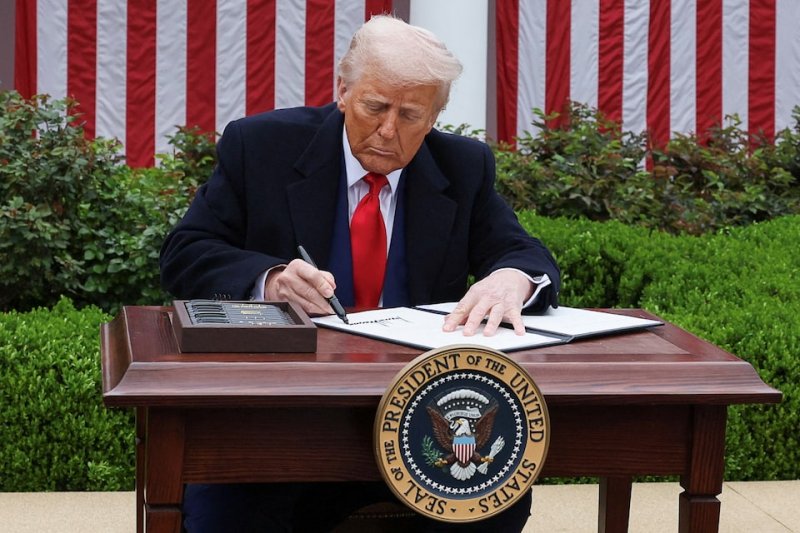
The U.S. Supreme Court isn’t expected to step in to halt Donald Trump’s sweeping tariffs — and officials are making one thing clear: companies will need to adapt, not wait for relief.
As the Court weighs a key challenge to Trump’s use of emergency powers to slap tariffs on global trade partners, business owners and foreign governments are already adjusting to a future where tariffs remain a core feature of U.S. economic policy — regardless of the legal outcome, News.Az reports, citing Reuters.
For manufacturers like OTC Industrial Technologies, that reality is already painful. CEO Bill Canady told Reuters the company shifted production out of China to avoid tariffs, only to face the same fees in other markets. “We just have to hang on and navigate our way through this so we don’t all go broke in the short run,” he said.
Trump has relied on a patchwork of legal authorities to impose duties — from national-security laws to trade retaliation measures — and officials insist that even if one tool gets struck down, others can replace it. Treasury Secretary Scott Bessent said that if the Court rejects Trump’s use of the International Emergency Economic Powers Act, the administration can simply pivot to other laws from the 1930s and 1970s that authorize tariffs of 15%–50%.
“You should assume that they're here to stay,” Bessent said.
That stance signals a long-term shift. Tariffs were once seen as short-term leverage in trade disputes. Now they are a policy cornerstone — and the White House argues they have already forced concessions from allies like Japan, the EU, and South Korea. Some Asian nations have signed deals locking in tariff rates, while China has negotiated temporary compromises to avoid disruptions to key industries like rare-earth minerals.
But the global response isn’t uniform. China remains a harder case, and the U.S. is balancing pressure with fragile truces to secure strategic materials. Trump recently agreed to reduce a tariff tied to fentanyl-related goods in exchange for China easing export licensing rules on rare earths — an uneasy peace, not a major breakthrough.
Economists warn the tariff strategy comes at a cost. Corporate profits are under pressure, supply chains are shifting again, and inflation has picked up — with Oxford Economics estimating tariffs have already added around 0.4 percentage point to U.S. inflation. Investors also worry that if the Supreme Court invalidates some tariffs, the government may need to refund more than $100 billion already collected.
For many U.S. companies, the challenge now is choosing where to build — and how much extra cost they can absorb before passing it on to consumers. Some firms may bring high-value manufacturing back home, while lower-cost components move closer to the U.S., such as to Mexico.
CEO Canady predicts that a tariff rate around 15% will simply become the “new normal.” And as the Supreme Court considers the legal debate, business leaders appear to have already accepted the practical outcome: whether through emergency law, national security authority, or new trade rules — the tariffs are not going anywhere.


Similar news