Taiwan seeks strategic AI partnership with U.S.


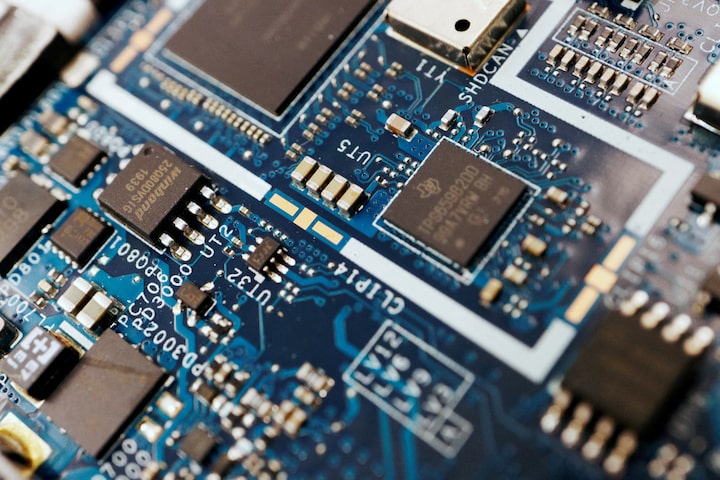
Taiwan is aiming to become a close strategic partner with the United States in artificial intelligence (AI) following a new trade deal that cuts tariffs and encourages investment, Vice Premier Cheng Li-chiun said on Friday.
The agreement, reached after negotiations led by Cheng in Washington, reduces tariffs on many Taiwanese exports and directs new investments in the U.S. technology sector, including semiconductors and AI. The deal could also intensify tensions with China, which claims Taiwan as its territory, News.Az reports, citing Reuters.
U.S. Commerce Secretary Howard Lutnick said Taiwanese companies would invest $250 billion in the United States, including $100 billion already committed by semiconductor giant TSMC in 2025. Taiwan will additionally provide $250 billion in credit to support further investment.
Cheng emphasized that the plan is company-led rather than government-driven. “We expand our footprint in the U.S. and support local supply chains, but this is also an extension of Taiwan's technology industry,” she said.
Investments will cover AI servers and energy, according to Taiwan Economy Minister Kung Ming-hsin. Taiwan’s benchmark stock index (.TWII) closed at a record high Friday, boosted by strong TSMC earnings and optimism over the tariff deal.
Chang Chien-yi, president of the Taiwan Institute of Economic Research, said Taiwan is the first country publicly recognized by the U.S. as receiving preferential treatment for chips and related products, underscoring its role as a strategic semiconductor partner.
TSMC welcomed the deal, noting that all investment decisions will continue to be based on market demand and customer needs. By 2036, Taiwan estimates that 80% of advanced chip production will remain at home, with 20% in the U.S., strengthening global semiconductor supply resilience.
Vice President Hsiao Bi-khim highlighted Taiwan’s agility and innovation, calling the island “an indispensable force for good within the global supply chain.”


Similar news