Taliban–Pakistan war: Region on brink of wider chaos


Editor's note: Muhammad Asif Noor is Founder of the Friends of BRI Forum and Advisor to the Pakistan Research Center at Hebei Normal University, China, as well as Co-Founder of the Alliance of China-Pakistan Research Centers. The article reflects the author’s opinions and does not necessarily represent the views of News.Az.
The current escalation, which has culminated in Pakistan declaring an "open war" with the Afghan Taliban government, represents one of the most dangerous flare-ups since the Taliban’s return to power in 2021. What began as targeted Pakistani airstrikes against militant hideouts in Afghanistan, and spiraled into cross-border attacks and retaliatory strikes, reflects deep-seated mistrust between the two neighbors.
The culmination of Operation Ghazab lil-Haq has highlighted the fragility of regional security. Pakistan’s decisive military response, as described by Federal Information Minister Atta Tarar, demonstrates the country’s resolve to defend its sovereignty. With reports of 133 Taliban fighters killed, 200 injured, and dozens of key posts dismantled, the operation was clearly designed to send a firm message to any actor considering aggression. The immediate trigger was a surge in militant attacks within Pakistan, attributed to groups such as the Tehreek-e-Taliban Pakistan (TTP), which Islamabad claims are being harbored and supported by Kabul.
Tensions boiled over on February 21, 2026, when the Pakistan Air Force launched airstrikes on alleged TTP and ISIS-K camps in Afghanistan’s Nangarhar, Paktika, and Khost provinces, in direct retaliation for deadly attacks in Islamabad, Bajaur, and Bannu that claimed numerous Pakistani lives. The roots of this crisis trace back to the Afghan Taliban’s reluctance, or inability, to rein in militant groups operating from their soil, a long-standing problem that has strained bilateral relations. Pakistan has repeatedly provided evidence to Kabul showing that TTP leaders are residing in Afghanistan under Taliban protection, using the country as a launchpad for cross-border operations.

Source: Reuters
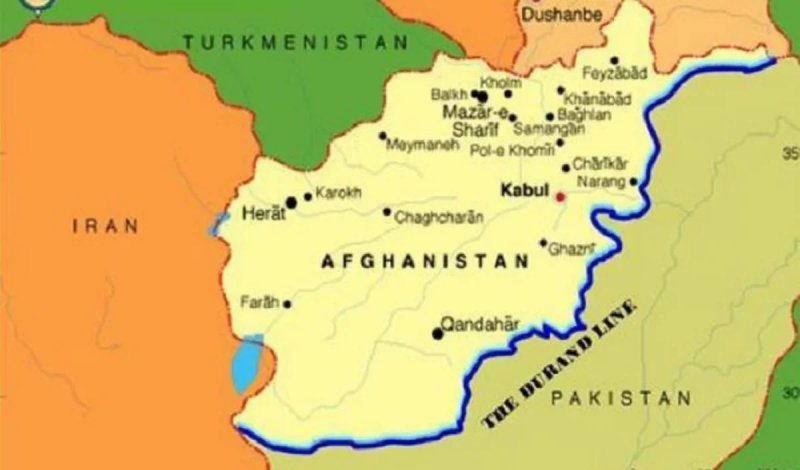
This harboring of militants has fueled a dramatic rise in attacks within Pakistan, particularly in the border regions of Khyber Pakhtunkhwa and Balochistan. In 2026 alone, terrorist incidents have surged by more than 50 percent compared to the previous year, targeting security forces, civilians, and infrastructure. The escalation reflects a deliberate strategy by the TTP to exploit Afghanistan’s ungoverned spaces, where weak state control allows extremists to regroup, train, and plan operations. Historical border disputes, including Afghanistan’s non-recognition of the Durand Line, exacerbate these issues, turning the frontier into a no-man’s land ripe for exploitation by non-state actors.
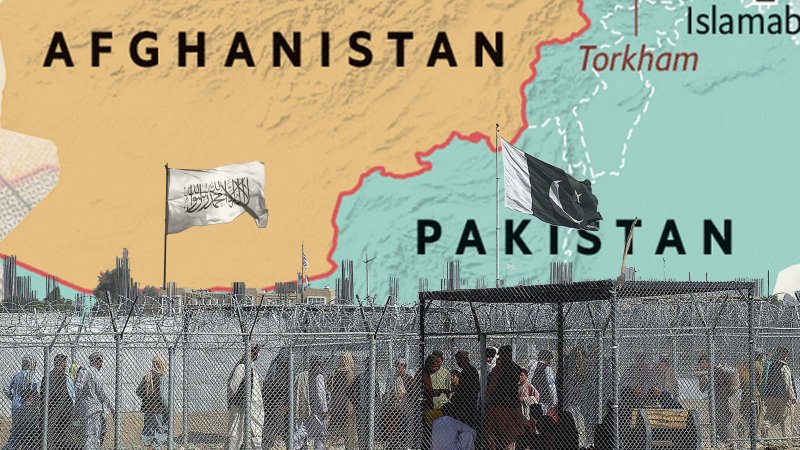
Moreover, Pakistan’s deportation of over a million Afghan refugees in recent years has added a humanitarian layer to the animosity, with Kabul accusing Islamabad of using migrants as leverage, while Pakistan counters that many among them facilitate militant infiltration.
The Taliban’s perceived alignment with anti-Pakistan elements, including Baloch separatists and indirect Indian influence, further erodes trust, creating a volatile mix of security paranoia and geopolitical rivalry.
The latest developments paint a grim picture of rapid deterioration. On February 26, Afghan forces launched what Pakistan described as unprovoked attacks on border positions, prompting immediate retaliation. By the early hours of February 27, Pakistani jets bombed targets in Kabul, Kandahar, and Paktia, including Taliban military posts, headquarters, and ammunition depots. Islamabad claimed over 130 Afghan Taliban fighters killed and significant infrastructure destroyed.
Both sides have inflated casualty figures to project strength, but the human cost is undeniable, with civilians caught in the crossfire, families displaced, and trade routes disrupted.
Source: Reuters
The future holds precarious possibilities unless cooler heads prevail. In the short term, the risk of further escalation is high; Pakistan’s launch of Operation Ghazab Lil-Haq (Righteous Fury) signals a readiness for sustained military action, potentially drawing in more sophisticated weaponry and expanding the theater beyond the border. Yet, neither side can afford a prolonged war. Pakistan grapples with internal economic woes and political instability, while the Taliban regime struggles with international isolation and humanitarian crises.
A full-scale conflict could invite spillover effects, empowering groups like ISIS-K and destabilizing the wider region, including Central Asia. From Pakistan’s perspective, the path forward must involve robust diplomacy, including renewed mediation by Qatar, Türkiye, or Iran, coupled with pressure on Kabul through the United Nations to dismantle terrorist sanctuaries. Confidence-building measures, such as joint border patrols and intelligence sharing, could help de-escalate tensions, but they require genuine political will.
Ultimately, lasting peace hinges on addressing root causes, fostering economic interdependence, managing refugee repatriation, and mutually recognizing security concerns. Without this, militancy will continue to cast a shadow, threatening not just Pakistan and Afghanistan, but the stability of South Asia as a whole.
(If you possess specialized knowledge and wish to contribute, please reach out to us at opinions@news.az).


Similar news