Tata, Singapore Airlines in talks to fund Air India losses


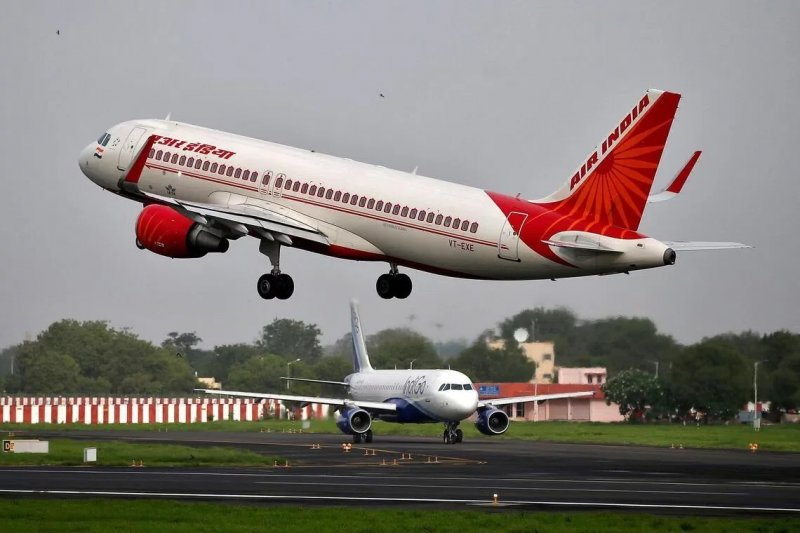
Air India is seeking fresh financial support from its major shareholders after reporting a far larger-than-expected annual loss of more than 220 billion rupees (about S$3 billion), according to people familiar with the matter.
The airline’s controlling owner, Tata Group, along with Singapore Airlines—which holds a 25.1% stake—are reportedly in discussions to inject additional capital as the carrier grapples with rising costs and operational disruptions, News.Az reports, citing the Strait Times.
The loss for the fiscal year ending March 31 significantly exceeded earlier internal estimates of about US$1.6 billion reported in January. The final figure reflects a turbulent year marked by multiple external shocks, including a fatal Boeing 787 Dreamliner crash, regional airspace restrictions, and escalating geopolitical tensions in the Middle East.
RECOMMENDED STORIES
According to sources, the size of the potential capital injection is still under discussion and may fall short of Air India’s funding needs, raising the possibility that the airline could explore alternative financing options.
Neither Tata Group nor Air India responded to requests for comment, while Singapore Airlines declined to comment.
The record loss comes at a critical moment for the carrier, which has been undergoing a high-profile restructuring under Tata ownership. Chief executive Campbell Wilson recently announced plans to step down later in 2026, adding further uncertainty to the airline’s leadership transition.
Air India also received a poor safety rating in its latest regulatory audit, adding to reputational challenges as it attempts to modernise its fleet and improve service standards.
Despite ambitious expansion plans, the airline has struggled to improve yields and maintain profitability amid volatile operating conditions.
Sources said Air India began the fiscal year on a stronger note, even posting operating profits in the early weeks of April 2025. However, the situation deteriorated sharply after Pakistan closed its airspace to Indian carriers following a brief conflict in May, forcing airlines to take longer and more expensive routes to Europe and North America.
The rerouting increased fuel consumption and operational costs at a time when jet fuel prices were already elevated, putting additional pressure on margins.
The airline has also been heavily affected by instability in the Middle East, a key region that accounts for around 16% of its total capacity. Much of that network has been disrupted, further limiting revenue opportunities.
Combined with higher fuel costs and longer international flight paths, Air India’s long-haul operations to Europe and the United States have become significantly more expensive to maintain.
Singapore Airlines, which entered Air India through the merger of its Vistara joint venture in 2024, has also seen its earnings affected by the carrier’s weaker performance.
Tata Group, meanwhile, faces growing pressure to stabilise Air India’s finances as part of its long-term turnaround strategy.
Bloomberg previously reported that improving the airline’s financial position is also a key condition linked to leadership decisions at the group level.
As talks over fresh funding continue, Air India’s recovery path remains closely tied to geopolitical stability, fuel prices, and its ability to execute one of the most ambitious airline turnarounds in Asia.
By Aysel Mammadzada


Similar news