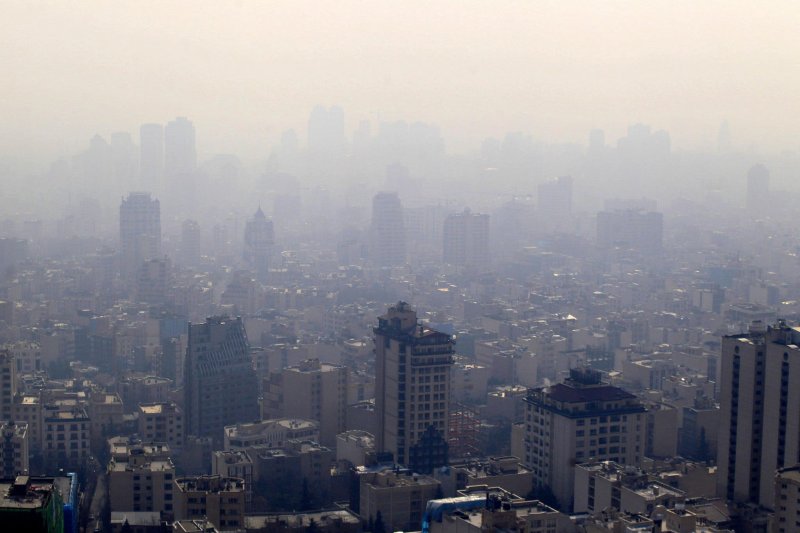
Classes at schools and universities across Tehran province, except for seven counties, will be conducted online, and government staff can work from home, News.Az reports, citing Xinhua.
Remote work is optional for personnel in municipalities and executive offices, except for those in rescue, operational, military, and law enforcement roles, while banks will operate through a limited number of branches.
Private cars with odd-numbered license plates are prohibited from the streets, and sand and gravel mines, as well as cement factories, must suspend operations.
The same measures were implemented on Tuesday and Wednesday. In recent days, Tehran’s air quality index has exceeded 160, considered unhealthy for all, during most hours.
Tehran, home to around 9 million people, typically faces poor air quality in colder months, especially when wind or rain is minimal. Temperature inversion contributes to pollution buildup, while emissions from aging vehicles and certain factories are major sources.
Similar closures have been announced for Saturday in East Azarbaijan, West Azarbaijan, Ardabil, Alborz, Isfahan, and Khuzestan due to air pollution, and in Bushehr, Gilan, Hamedan, and Kermanshah because of flu spread, local media reported Friday.