Tesla scraps India factory plans after years of talks


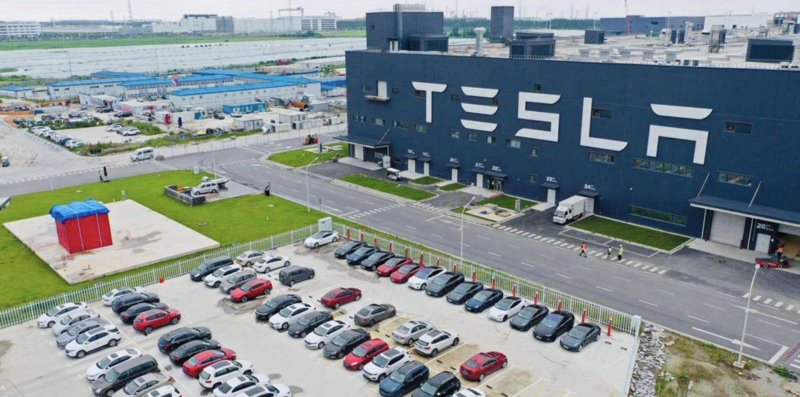
Tesla’s long-running attempt to establish a manufacturing footprint in India has officially come to an end.
India’s Minister of Heavy Industries H.D. Kumaraswamy confirmed on May 19 that Tesla has informed authorities it will not move forward with plans to build a manufacturing facility in the country, News.Az reports, citing Teslarati.
Tesla first showed serious interest in entering the Indian market around 2021, when it began hiring local staff and lobbying the Indian government for lower import tariffs.
RECOMMENDED STORIES
The company’s request was straightforward: reduce import duties sufficiently so Tesla could test demand in India using imported vehicles before committing to the large capital expenditure required for a local factory. India, however, took a different stance, insisting that Tesla first commit to manufacturing in the country before receiving any tariff relief. Neither side shifted its position, and the negotiations eventually collapsed without a resolution.
At the policy level, India had proposed a scheme that would reduce import duties from 110% to 15% on electric vehicles priced above $35,000, but only if companies committed at least $500 million in local manufacturing investment within three years. Tesla ultimately declined to participate in this framework. The disagreement over tariffs was only one part of the broader challenge. Industry analysts also pointed to major gaps in India’s local supply chain, insufficient industrial infrastructure, and a mismatch between Tesla’s premium pricing strategy and the average purchasing power in India’s automotive market, all of which made the investment case more difficult to justify.
The first clear signs that the relationship was deteriorating appeared in April 2024, when Elon Musk abruptly cancelled a planned trip to India, where he was expected to meet Prime Minister Narendra Modi and announce Tesla’s market entry. By July 2024, Fortune reported that Tesla executives had stopped communicating with Indian government officials altogether. By that stage, Indian authorities reportedly concluded that Tesla was facing capital constraints and had no concrete plans to proceed with investment.
A more structural issue underpinning the decision is that Tesla’s existing global factories are currently operating at approximately 60% capacity, making it harder to justify building new production facilities in another market from an investor perspective. Despite abandoning local manufacturing plans, Tesla will continue selling imported Model Y vehicles through its existing showrooms in Mumbai, Delhi, Gurugram, and Bengaluru. However, local production in India is now no longer part of the company’s strategy.
By Nijat Babayev


Similar news