The appointment of Barnier as prime minister sparked mass protests across France


France is in the midst of a political crisis after President Emmanuel Macron’s controversial choice to appoint Michel Barnier, a center-right politician, as the country’s new prime minister. This move has sparked mass protests, with critics accusing Macron of ignoring the will of the people. As discontent grows, Barnier and his government are up against significant challenges in a tense political landscape.
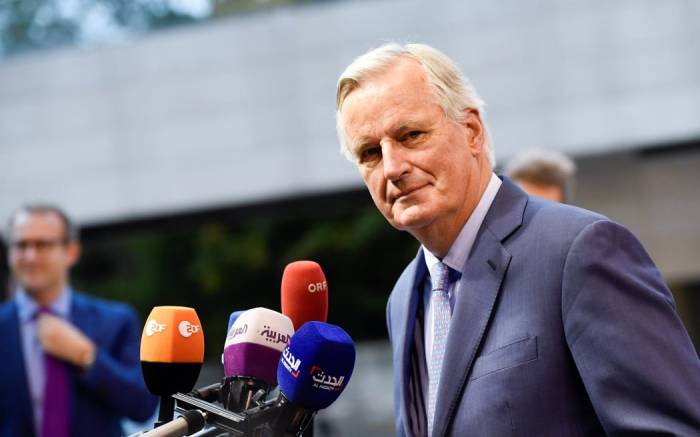
After two months of searching, Macron selected 73-year-old Barnier for the top government role. The decision followed an election that left France with a hung parliament — no single party gained a clear majority. Barnier, a seasoned politician and the EU’s former Brexit negotiator, was tasked with addressing the country’s economic and political problems. However, the decision didn’t sit well with many.
The left, particularly the France Unbowed (LFI) party led by Jean-Luc Mélenchon, reacted strongly, accusing Macron of undermining democracy. They argue that the president ignored the results of the July elections, where the New Popular Front (NFP) alliance came out on top. Macron’s refusal to appoint a prime minister from the winning party has been viewed by many as a blatant disregard for democratic principles.
Massive protests erupted across the country in response to Barnier’s appointment. In more than 130 cities, people took to the streets, calling for Macron’s impeachment and accusing him of betraying the public’s trust. Organizers reported that around 300,000 people participated in the protests, with 160,000 demonstrating in Paris alone. However, official government figures were much lower.
Public sentiment is not in Macron’s favor. A recent Elabe poll revealed that 74% of French citizens believe the president disregarded the election results, and 55% even think he "stole" the elections.
For Barnier, the road ahead is rocky. One of the biggest challenges is reforming the national budget. France is under pressure from the European Commission and financial markets to reduce its deficit. But slashing government spending in a time of growing discontent could backfire, especially given the declining state of the public healthcare system, which has been a major source of frustration for months.
Many fear that Barnier, as a conservative, will push for austerity measures and stricter immigration policies. Jeanne Schmitt, a 45-year-old civil servant who participated in the Paris protests, expressed her concerns, saying Barnier "has no social conscience" and will continue the same policies that have alienated much of the population.
Barnier is now working on forming a new government, but his position is far from secure. In early October, he is expected to present his policy objectives to parliament — a moment that could trigger a vote of no confidence. The left-wing NFP and the far-right National Rally (RN) hold a majority in parliament and could unite to oust Barnier if they choose to work together.
Interestingly, RN has given Barnier conditional support, signaling they may not back a no-confidence vote if certain demands are met. RN leader Jordan Bardella noted that Barnier is "a prime minister under surveillance" and emphasized that no major decisions will be made without the involvement of their party, making RN a key player in the future of the government.
Barnier’s appointment and the protests that followed highlight the deep political divisions in France. With the country’s political blocs unwilling to find common ground, the future of the new government remains uncertain. Barnier faces an uphill battle to enact meaningful reforms while navigating the threat of a no-confidence vote and rising opposition.
After two months of searching, Macron selected 73-year-old Barnier for the top government role. The decision followed an election that left France with a hung parliament — no single party gained a clear majority. Barnier, a seasoned politician and the EU’s former Brexit negotiator, was tasked with addressing the country’s economic and political problems. However, the decision didn’t sit well with many.
The left, particularly the France Unbowed (LFI) party led by Jean-Luc Mélenchon, reacted strongly, accusing Macron of undermining democracy. They argue that the president ignored the results of the July elections, where the New Popular Front (NFP) alliance came out on top. Macron’s refusal to appoint a prime minister from the winning party has been viewed by many as a blatant disregard for democratic principles.
Massive protests erupted across the country in response to Barnier’s appointment. In more than 130 cities, people took to the streets, calling for Macron’s impeachment and accusing him of betraying the public’s trust. Organizers reported that around 300,000 people participated in the protests, with 160,000 demonstrating in Paris alone. However, official government figures were much lower.
Public sentiment is not in Macron’s favor. A recent Elabe poll revealed that 74% of French citizens believe the president disregarded the election results, and 55% even think he "stole" the elections.
For Barnier, the road ahead is rocky. One of the biggest challenges is reforming the national budget. France is under pressure from the European Commission and financial markets to reduce its deficit. But slashing government spending in a time of growing discontent could backfire, especially given the declining state of the public healthcare system, which has been a major source of frustration for months.
Many fear that Barnier, as a conservative, will push for austerity measures and stricter immigration policies. Jeanne Schmitt, a 45-year-old civil servant who participated in the Paris protests, expressed her concerns, saying Barnier "has no social conscience" and will continue the same policies that have alienated much of the population.
Barnier is now working on forming a new government, but his position is far from secure. In early October, he is expected to present his policy objectives to parliament — a moment that could trigger a vote of no confidence. The left-wing NFP and the far-right National Rally (RN) hold a majority in parliament and could unite to oust Barnier if they choose to work together.
Interestingly, RN has given Barnier conditional support, signaling they may not back a no-confidence vote if certain demands are met. RN leader Jordan Bardella noted that Barnier is "a prime minister under surveillance" and emphasized that no major decisions will be made without the involvement of their party, making RN a key player in the future of the government.
Barnier’s appointment and the protests that followed highlight the deep political divisions in France. With the country’s political blocs unwilling to find common ground, the future of the new government remains uncertain. Barnier faces an uphill battle to enact meaningful reforms while navigating the threat of a no-confidence vote and rising opposition.


Similar news