The Great Return: Rebuilding Karabakh as a symbol of Azerbaijan’s renewal


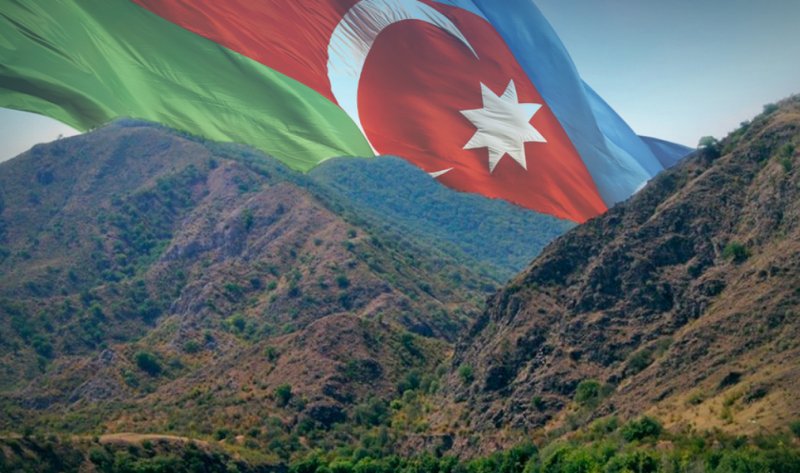
When the Patriotic War ended with Azerbaijan’s historic victory, a new chapter began — one defined not by conflict, but by creation.
In the liberated territories, the state launched a vast program of reconstruction and revival, turning once-devastated lands into living symbols of resilience and renewal. Guided by national priorities and strategic vision, the “Great Return” program has become not only an ambitious reconstruction plan but also a moral and economic renaissance for the entire nation.
The program’s goals are clear and measurable. By the end of 2026, Azerbaijan plans to clear 280,000 hectares of land from mines, construct 34,500 new homes, rebuild 197 educational institutions, and restore nearly 90 healthcare facilities. Roads, power lines, industrial parks, and agricultural zones are being built from the ground up. In parallel, 34,500 families — around 140,000 people in the first phase — are expected to return to their ancestral homes in Karabakh and Eastern Zangezur. These figures illustrate the scale of Azerbaijan’s determination to revive the region not just physically, but socially and economically.
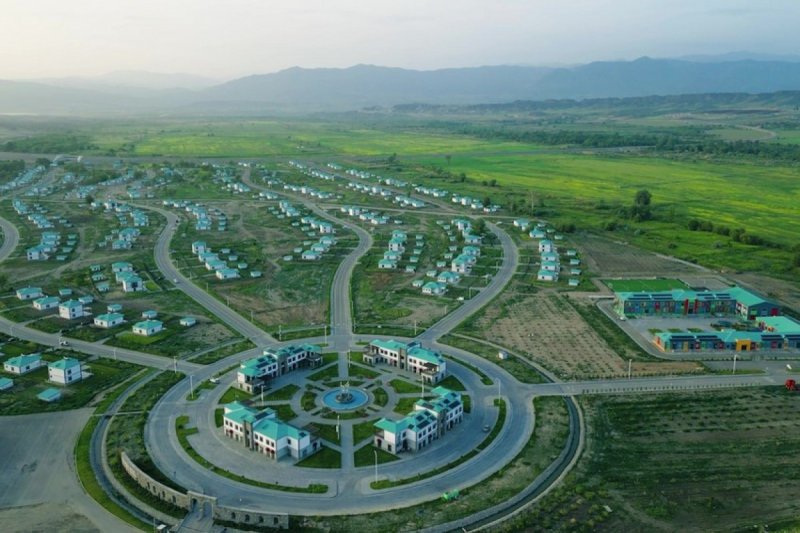
The “Great Return” is a deeply human project. For three decades, cities and villages were reduced to ruins — silent witnesses of occupation and destruction. Today, life is returning. Modern housing complexes, schools, hospitals, and cultural centers are rising on the sites of former devastation. New urban plans, green energy networks, and digital infrastructure reflect a 21st-century vision for the region. Each new settlement, park, or highway embodies the spirit of national revival — the belief that home is not just a place on a map, but a legacy to be rebuilt and passed on.
President Ilham Aliyev’s personal involvement in launching and monitoring reconstruction projects has infused the process with both political will and symbolic power. Every groundbreaking ceremony, every ribbon-cutting event is more than a formality — it is a message of permanence and hope. People return not to uncertainty, but to newly built communities with jobs, services, and opportunities. Through social packages, tax benefits, and employment programs, the state ensures that returnees can rebuild their lives with dignity and security.
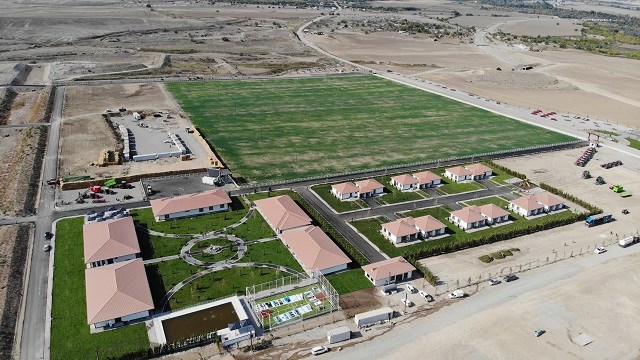
The reconstruction of the liberated territories is also reshaping the national economy. The creation of new industrial parks — such as the Aghdam Industrial Park, the “Araz Valley Economic Zone” in Jabrayil, and the “Dost Agropark” in Zangilan — demonstrates that economic revival and social rehabilitation go hand in hand. These projects attract private investment, stimulate entrepreneurship, and expand local employment. The region’s fertile lands, rich mineral resources, and stunning natural landscapes hold vast potential for agriculture, manufacturing, and tourism alike. With smart planning and sustained investment, the liberated territories are poised to become one of the country’s most dynamic economic centers.
Yet, this grand transformation faces formidable challenges. The process of demining, for instance, remains both dangerous and time-consuming. Tens of thousands of mines planted during the occupation continue to threaten lives and slow development. Nevertheless, each cleared hectare opens the door to new construction, farming, and habitation. Mine clearance, though painstaking, has become the literal and symbolic first step toward renewal — reclaiming not only the land but the right to live safely upon it.
Another remarkable aspect of the Great Return is its self-sufficiency. Unlike many post-conflict reconstruction efforts, which depend heavily on international aid, Azerbaijan finances the vast majority of its rebuilding from its own resources. Only a few social projects are implemented with the support of friendly nations; the core infrastructure — roads, utilities, industrial zones — is built through domestic capacity. This self-reliance underscores the country’s political independence and growing economic confidence.
Beyond the tangible infrastructure, the Great Return carries profound social and psychological meaning. The revival of once-occupied territories strengthens national unity and heals the wounds of displacement. Families who were scattered across the country are coming back to their native villages. Children born in exile are finally walking the streets their grandparents once knew. The rebirth of these lands rekindles not only local economies but also the collective sense of belonging and pride.
In essence, the “Great Return” is far more than a reconstruction plan. It is a manifestation of Azerbaijan’s resilience — a blend of technological innovation, economic vision, and emotional restoration. It shows the world that the people of Azerbaijan do not abandon their land; they rebuild it. The cities rising in Karabakh are not monuments to the past but gateways to the future, where prosperity, peace, and sustainability coexist.
The transformation unfolding in these territories stands as a message — both to friends and adversaries — that destruction can never prevail over determination. The revival of Karabakh and Eastern Zangezur is not only about rebuilding infrastructure; it is about restoring life, dignity, and identity. The Great Return embodies a nation’s unbreakable will to live, create, and flourish on its own soil.
By Rovshan Sayyaroglu
The material was prepared with the financial support of the Media Development Agency of the Republic of Azerbaijan.


Similar news