Thuringia's upcoming election: What’s at stake?


By the News.Az Team
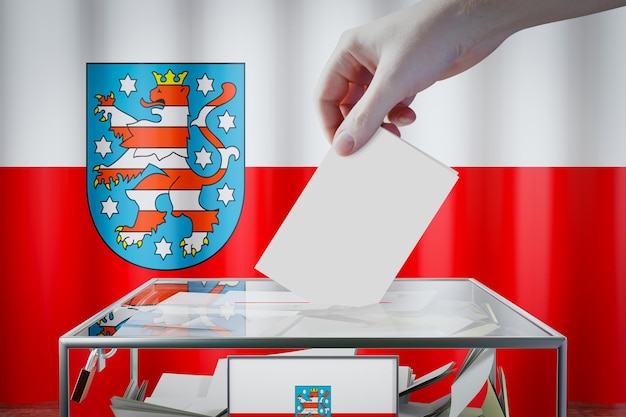
The election for the Thuringian Landtag , set for September 1, 2024, is generating a lot of buzz due to potential political changes on the horizon. The far-right party Alternative for Germany (AfD) is expected to have a strong showing. Recent polls suggest they could grab about 30% of the vote, positioning them as the leading party in the state. This would be a significant jump from their past performance and highlights a growing trend of support for the AfD in eastern Germany.Right now, Thuringia is run by a minority government made up of The Left (Die Linke), the Social Democratic Party of Germany (SPD), and the Greens, with Bodo Ramelow of The Left as Minister-President. However, this coalition is feeling the heat due to waning support, especially for The Left. Their popularity has taken a hit after a split that led to the creation of a new left-wing populist party, the Alliance Sahra Wagenknecht (BSW). The BSW is expected to secure around 18% of the vote, making them a key player in the upcoming election.
The Christian Democratic Union (CDU), traditionally a powerhouse in Thuringia, is polling at around 22%. Still, they're finding it tough to form a coalition because they refuse to work with the AfD. There's been talk about unusual alliances, like a coalition between the CDU and BSW, but these would be tricky due to the stark ideological differences.
The 2024 election will be a big test for Thuringia's political parties. The Left, despite its past popularity, will face a tough battle against the AfD and CDU, both of which have strengthened since the political crisis of 2020. The key question is whether the parties backing Bodo Ramelow can hold their coalition together and regain a majority in the Landtag.
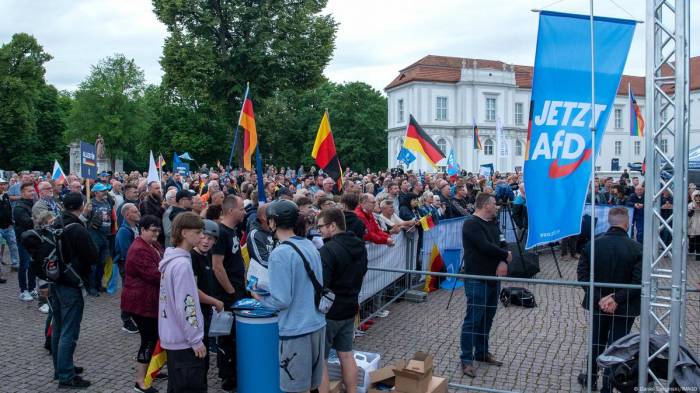
Back in February 2020, Thuringia was thrown into a political mess when Thomas Kemmerich from the Free Democratic Party (FDP) was elected Minister-President with the help of the CDU and the far-right AfD. It was a first in German politics for the AfD to be so involved in electing a state leader. The move caused a huge uproar, with widespread condemnation from across the political spectrum, including from then-Chancellor Angela Merkel, who called it "unforgivable." Under pressure from all sides, Kemmerich resigned just days later, although he stayed on in a caretaker role. This chaos was driven by a mix of public outrage and internal party disagreements.
The election was originally set for April 25, 2021, but the COVID-19 pandemic led to a delay until September 26, 2021, aligning with the federal elections. Despite several attempts, there wasn’t enough support to dissolve the Landtag, leading to the election being postponed indefinitely until the new date of September 1, 2024, was agreed upon.
These upcoming elections are seen as a critical indicator of what might happen in the 2025 general elections in Germany. They mirror broader regional trends, with the AfD also doing well in neighboring Saxony and Brandenburg. The rise of the AfD, which German authorities classify as a far-right extremist party, presents a real challenge to the traditional political landscape and has sparked debates about the future of democracy in the region.
If the current ruling coalition can keep or even expand its influence, it could mean a continued push for progressive policies in Thuringia. However, if the AfD and CDU make significant gains, we might see a shift towards more conservative or even radical policies, given the growing support for the AfD.
The Thuringian elections are a pivotal moment with long-lasting effects on Germany's political scene. All eyes will be on how voters decide and what that means for the balance of power in the Landtag and possibly across the country.
Germany's and Thuringia's political stability will hinge on whether parties can find common ground to tackle ongoing crises and how the public reacts to these shifting dynamics.


Similar news