Ukrainian air defenses down over 5,000 Shahed drones in May


Despite the high volume of sophisticated rocketry, the sheer scale of the automated onslaught came in the form of drone swarms. Air defense units down-to-the-wire destroyed 5,053 Shahed attack drones and 1,316 reconnaissance UAVs hunting for front-line intelligence. An additional 50,894 drones of various other types—predominantly smaller first-person view (FPV) attack drones and localized loitering munitions—were brought down, highlighting how heavily the modern battlefield relies on machine-scale swarm tactics.
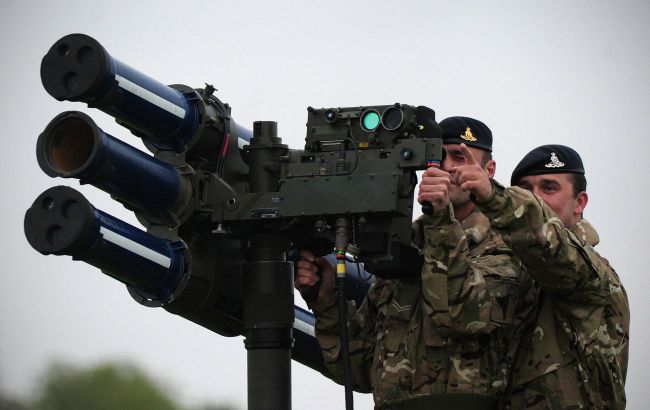
Ukrainian air defense forces intercepted and destroyed more than 57,000 Russian aerial targets throughout May 2026, marking one of the most intense months of anti-aircraft warfare since the beginning of the full-scale conflict, News.Az reports, citing RBC-Ukraine.
Data released by the Ukrainian Air Force reveals that the staggering total was overwhelmingly comprised of unmanned aerial vehicles (UAVs) alongside a lethal mix of cruise, ballistic, and hypersonic missiles.
RECOMMENDED STORIES
A precise breakdown of the missile interceptions highlights the diverse array of hardware fielded by Russian forces that was successfully neutralized by Ukrainian air defense nets:
2 Kh-47M2 Kinzhal aeroballistic hypersonic missiles
24 Iskander-K and 50 Kh-101 cruise missiles
11 Kalibr sea-launched cruise missiles
10 Iskander-M / KN-23 ballistic missiles
14 Kh-59/69 guided air-launched tactical missiles
To sustain this defense network and support units on the ground, the Ukrainian Air Force logged 1,089 aviation sorties in May alone. More than 700 of these flights were combat air patrols flown by fighter jets providing air cover, while roughly 230 sorties were direct tactical strike missions to assist ground forces.
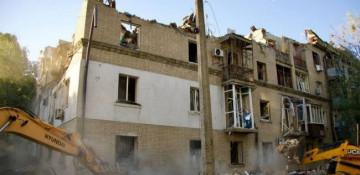
The report underscores that while the intercept rates remain incredibly high, the endless barrage continues to cause damage. Just as the month closed out, a Russian drone successfully struck a diesel locomotive in the Kharkiv region, wounding a rail worker and illustrating the constant danger civilian logistics networks face even amid highly successful air defense operations.
By Aysel Mammadzada


Similar news