U.S. arms supplies to Israel continue despite claims of restrictions


Israel has been conducting operations in Lebanon for the past 56 years, and there are no signs that they will cease in the near future. These actions have raised concerns within the international community, especially considering the potential conflict with Iran. What is the risk of a conflict with Iran?
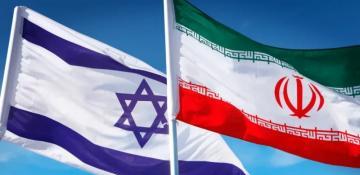
In April, Israelis faced a significant threat from Iran for the first time when 350 ballistic and other missiles were launched towards Israel. Although these missiles did not reach their targets and did not cause severe damage due to our missile defense system and allied support, one girl (an Arab) was injured by shrapnel. This incident demonstrated that the risk of a conflict with Iran is real, but we are confident in our ability to protect our borders and population. Despite these threats, we are not worried about the risk of a conflict with Iran, as our defense system has proven its effectiveness.Historically, Israel and Lebanon have always been in a state of confrontation. This conflict dates back to the mid-20th century when the first tensions between the two countries arose. Since then, the situation has only worsened, leading to numerous armed clashes, terrorist attacks, and political crises. Over the past decades, Israel has repeatedly carried out military operations in Lebanon, aiming to eliminate terrorist groups based there and prevent threats to its national security. These operations have often been met with international condemnation and have caused a wave of outrage among the Lebanese population.
The conflict with Iran has its roots in geopolitical ambitions and religious differences. Iran, seeking dominance in the Middle East , views Israel as a serious rival hindering its plans. Israel, in turn, perceives Iran as a primary enemy threatening its existence. In recent years, tensions between the two countries have significantly increased, and the likelihood of a direct armed confrontation has become more real.
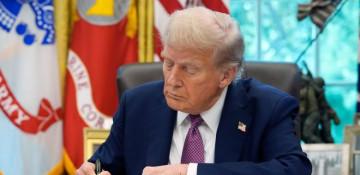
Recently, there was a slight delay in the delivery of American arms to Israel, which was soon successfully resolved. On the same day the delay was reported, several influential Jewish leaders approached the leadership of the U.S. Democratic Party and the Israeli lobby, who provide significant support to the Democrats. One of the billionaires, who has considerable influence, personally contacted President Biden and stated that the delay in supplies was a big mistake, weakening the U.S. The next day, permission was granted for the transportation to proceed, and there have been no restrictions on arms supplies since.
The delay in arms supplies caused serious concern in Israeli society. Local media actively discussed the possible consequences of such a step, predicting a deterioration in the country's defense capabilities and an increased threat from external enemies.
However, the prompt intervention of high-ranking officials and lobbyists quickly resolved the situation. As a result, arms deliveries were resumed, and Israel continued to receive the necessary equipment to maintain its defense capability.
Our Prime Minister skillfully uses this situation, claiming there are restrictions on supplies to show his ability to withstand U.S. pressure, especially ahead of elections. He hopes to strengthen his position by demonstrating strength and independence from America. In reality, arms supplies from the U.S. continue in the required volumes. There is mutual dependence in supplies between our countries: for example, some parts of F-35 aircraft are manufactured in Israel. If Israel lacks anything, it will be compensated by both sides.
The situation in the region remains tense, and the international community closely monitors the developments. Despite threats and challenges, Israel continues to strengthen its defense capabilities and maintain stable relations with key allies. It is important to continue improving our defense infrastructure and diplomatic ties to ensure security and stability in the region.
The current situation requires Israel to be constantly ready for possible attacks and provocations. Military exercises, modernization of equipment, and improvement of strategic facilities have become everyday practices for the Israeli army. Additionally, the country actively cooperates with international partners, participating in joint exercises and intelligence sharing.
Israel must remain prepared for any challenges, maintaining a high level of readiness of its armed forces and developing international alliances. This is the only way to guarantee long-term security and prosperity for our state in a complex geopolitical environment.
However, despite all the measures taken, conflicts in the region continue to flare up, and the likelihood of their escalation always remains high. The international community must play an active role in resolving these conflicts, offering mediation services and facilitating dialogue between the parties. Only through joint efforts can long-term peace and stability be achieved in the Middle East.
Israel, in turn, must continue to strengthen its position on the international stage, improving diplomatic ties and developing economic relations with other countries. This will not only strengthen defense capabilities but also create additional opportunities for the development and prosperity of the state.
(If you possess specialized knowledge and wish to contribute, please reach out to us at opinions@news.az).


Similar news