US to target Venezuelan oil, avoid military action


The United States will focus on economic measures rather than military action against Venezuela in the coming months, a U.S. official told Reuters. The strategy centers on enforcing sanctions on Venezuelan oil, which remains a crucial source of revenue for Caracas.
According to the report, the White House has directed the military to concentrate “almost exclusively on enforcing a ‘quarantine’ of Venezuelan oil,” even as U.S. forces maintain a presence in the Caribbean. While military options remain on the table, the priority is to apply economic pressure to achieve U.S. objectives, News.Az reports, citing Al Jazeera.
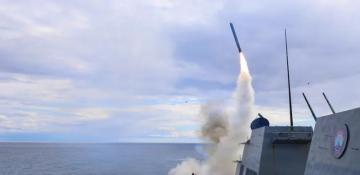
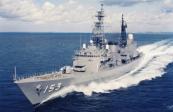
Tensions in the Caribbean have risen sharply in recent weeks, with President Donald Trump deploying 15,000 troops, aircraft carriers, guided missile destroyers, and amphibious assault ships—the largest U.S. military buildup in the region in decades. Concerns have emerged that Venezuela could face a potential invasion under the pretext of combating drug cartels.
In mid-December, Trump ordered a “total and complete blockade” of all U.S.-sanctioned Venezuelan oil tankers. Since then, U.S. forces have seized two vessels and are pursuing a third. Experts note that targeting Venezuelan oil via the U.S. Coast Guard—a civilian law enforcement agency in peacetime—is seen as a less aggressive alternative to a full naval blockade, which could be considered an act of war.
Venezuela has condemned the oil seizures, calling them “worse than piracy” in a statement to the United Nations Security Council. Meanwhile, U.S. forces have carried out airstrikes on dozens of boats allegedly transporting drugs to the United States, resulting in over 100 casualties, according to the White House.
The Trump administration continues to accuse Venezuelan President Nicolas Maduro of supporting major cartels, including Tren de Aragua and Cartel de los Soles, which the U.S. has designated as terrorist organizations.
This approach signals Washington’s intent to pressure Caracas economically while avoiding direct military confrontation, keeping the focus on sanctions and controlled enforcement actions.


Similar news