USA: Kamala Harris leads in the election race against Donald Trump


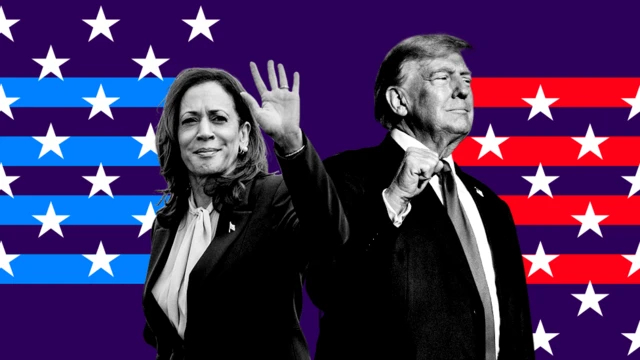
As the 2024 U.S. Presidential Election draws near, the political landscape is heating up with Kamala Harris and Donald Trump at the forefront of a highly competitive race. According to the most recent national pol l, Harris leads Trump by a margin of 6 points, garnering 51% of the vote compared to Trump’s 45%. While this puts Harris in a favorable position, the real battle lies in the critical swing states, where the election outcome could easily shift.
Key Battleground States
The upcoming election is expected to be decided in seven key swing states, where both candidates have focused significant efforts:
Arizona
Georgia
Michigan
Nevada
North Carolina
Pennsylvania
Wisconsin
These states hold the key to tipping the balance in the electoral college, and intense campaigning from both camps is underway. Harris has been working to consolidate her lead, while Trump continues to mobilize his base, aiming to regain momentum in these pivotal regions.
Recent Developments in the Race
Endorsements continue to play a crucial role as both candidates strive to secure influential backing. Kamala Harris received a significant boost when over 100 former Republican national security and foreign policy officials endorsed her candidacy, labeling Trump as “unfit to serve.” This cross-party support highlights concerns from prominent figures regarding Trump’s approach to governance and foreign policy.
Additionally, Harris is on the brink of gaining the endorsement of the Teamsters labor union, one of the most powerful in the country. This could provide a major advantage, as unions remain a critical force in driving voter turnout, particularly in industrial states like Michigan and Pennsylvania. The announcement is expected as early as this Wednesday.
Harris has been actively engaging with key voter blocs. She recently held a meeting with Teamsters union leaders and addressed the Congressional Hispanic Caucus Institute in her efforts to court Latino voters, a group that could be decisive in several battleground states. Her focus on labor and immigrant communities signals an intent to build a broad coalition.
Meanwhile, Trump is planning a rally in Long Island, New York, a traditionally Democratic stronghold. His decision to hold the rally in this location indicates his desire to push into Democratic territory, attempting to expand his support base beyond his core voters.
Election Security Efforts
Amid concerns about election integrity, U.S. election security officials are ramping up efforts to reassure the public. With the shadow of foreign interference still looming from the 2016 and 2020 elections, both government officials and private sector companies are working to prevent disruptions. Tech giants like Microsoft are playing a key role, combating cyberattacks and disinformation campaigns aimed at influencing the vote.
This focus on election security is designed to counter claims of potential rigging and reassure voters that the process will be transparent and legitimate. The U.S. government is also monitoring foreign interference threats closely to ensure a secure election.
Major Issues Shaping the Election
Several issues have emerged as central to the 2024 race, driving voter engagement and shaping the candidates’ platforms:
Economy and Inflation: Both candidates are focusing on economic recovery, with Harris emphasizing equitable growth and Trump promising to restore the U.S. to pre-pandemic economic strength.
Immigration and Border Security: Immigration remains a contentious topic, with differing views on how to handle border security and immigration reform.
National Security: National security concerns, particularly related to cybersecurity and foreign interference, have gained prominence as voters demand more action from their leaders.
Abortion Rights: With the overturning of Roe v. Wade, abortion rights are at the center of debate. Harris champions reproductive rights, while Trump maintains his support for state-level restrictions.
Foreign Policy: The ongoing conflicts in Gaza and Ukraine are front and center in foreign policy discussions, as both candidates are outlining their strategies for navigating these crises.
Key Battleground States
The upcoming election is expected to be decided in seven key swing states, where both candidates have focused significant efforts:
Arizona
Georgia
Michigan
Nevada
North Carolina
Pennsylvania
Wisconsin
These states hold the key to tipping the balance in the electoral college, and intense campaigning from both camps is underway. Harris has been working to consolidate her lead, while Trump continues to mobilize his base, aiming to regain momentum in these pivotal regions.
Recent Developments in the Race
Endorsements continue to play a crucial role as both candidates strive to secure influential backing. Kamala Harris received a significant boost when over 100 former Republican national security and foreign policy officials endorsed her candidacy, labeling Trump as “unfit to serve.” This cross-party support highlights concerns from prominent figures regarding Trump’s approach to governance and foreign policy.
Additionally, Harris is on the brink of gaining the endorsement of the Teamsters labor union, one of the most powerful in the country. This could provide a major advantage, as unions remain a critical force in driving voter turnout, particularly in industrial states like Michigan and Pennsylvania. The announcement is expected as early as this Wednesday.
Harris has been actively engaging with key voter blocs. She recently held a meeting with Teamsters union leaders and addressed the Congressional Hispanic Caucus Institute in her efforts to court Latino voters, a group that could be decisive in several battleground states. Her focus on labor and immigrant communities signals an intent to build a broad coalition.
Meanwhile, Trump is planning a rally in Long Island, New York, a traditionally Democratic stronghold. His decision to hold the rally in this location indicates his desire to push into Democratic territory, attempting to expand his support base beyond his core voters.
Election Security Efforts
Amid concerns about election integrity, U.S. election security officials are ramping up efforts to reassure the public. With the shadow of foreign interference still looming from the 2016 and 2020 elections, both government officials and private sector companies are working to prevent disruptions. Tech giants like Microsoft are playing a key role, combating cyberattacks and disinformation campaigns aimed at influencing the vote.
This focus on election security is designed to counter claims of potential rigging and reassure voters that the process will be transparent and legitimate. The U.S. government is also monitoring foreign interference threats closely to ensure a secure election.
Major Issues Shaping the Election
Several issues have emerged as central to the 2024 race, driving voter engagement and shaping the candidates’ platforms:
Economy and Inflation: Both candidates are focusing on economic recovery, with Harris emphasizing equitable growth and Trump promising to restore the U.S. to pre-pandemic economic strength.
Immigration and Border Security: Immigration remains a contentious topic, with differing views on how to handle border security and immigration reform.
National Security: National security concerns, particularly related to cybersecurity and foreign interference, have gained prominence as voters demand more action from their leaders.
Abortion Rights: With the overturning of Roe v. Wade, abortion rights are at the center of debate. Harris champions reproductive rights, while Trump maintains his support for state-level restrictions.
Foreign Policy: The ongoing conflicts in Gaza and Ukraine are front and center in foreign policy discussions, as both candidates are outlining their strategies for navigating these crises.


Similar news