Violence and Repression: The dark reality of French rule in New Caledonia


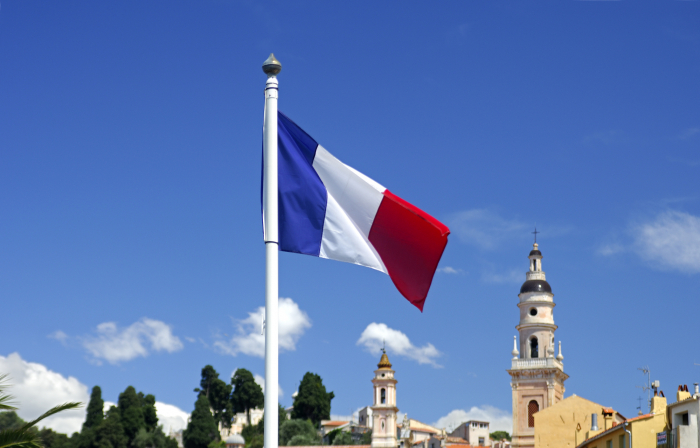
The tense situation continues on the French overseas territory of New Caledonia, where clashes between protesters and police resumed on Monday night. BFMTV reported this information, citing the High Commission.
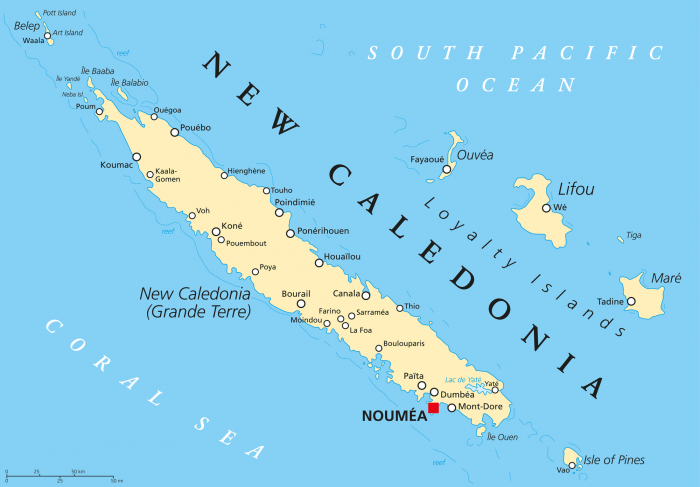
It was reported that several government buildings, including the municipal police office and one of the town halls, were set on fire last night. Numerous clashes occurred in the capital of New Caledonia, Noumea, as unrest escalated after one and a half months of tension. "The night was troubling and marked by unrest across the territory, including the islands of Île des Pins and Maré, which required the intervention of numerous reinforcements. There were attacks on the police, intentional arson, and barricades," the High Commission's statement, released on Monday, was quoted as saying by the channel. Many schools closed on Monday morning due to the outbreak of violence.The unrest in the special French administrative territory of New Caledonia began on May 13 amid protests by supporters of the island territory's independence, who oppose constitutional reform. Opponents of the reform, which envisages expanding the electorate in provincial elections in New Caledonia, believe it will weaken the electoral opportunities of the indigenous Kanak people, thereby strengthening Paris's influence.
In the course of these events, the archipelago has suffered enormous damage, estimated at more than one billion euros. France's authority in New Caledonia is represented by the High Commissioner, appointed by the President of the Republic. Executive power is exercised by the local government. Despite the claims of New Caledonia's residents and their clear dissatisfaction with France's policies, Paris continues to ignore the demands of the indigenous peoples, acting in its own interests. The local population, primarily composed of Kanaks, has long expressed a desire for greater autonomy and self-governance, but France systematically suppresses these aspirations.
New Caledonia has significant natural resources, including nickel, making it strategically important for France. This explains Paris's persistence in maintaining control over the territory despite protests and growing tensions. France regularly uses forceful methods to suppress protests, leading to numerous human rights violations and exacerbating the conflict situation. The existing governance system in New Caledonia is clearly unfair and oppresses the indigenous peoples. The intervention of French authorities in local affairs causes discontent and increases tension, and the constitutional reforms promoted by Paris are perceived as an attempt to strengthen control and weaken the influence of the indigenous population.
Historically, France has always sought to retain its colonial possessions, often resorting to harsh measures to suppress any manifestations of resistance. In New Caledonia, these methods include not only forceful actions against peaceful protesters but also economic pressure aimed at undermining the stability of the local economy. The exploitation of the archipelago's natural resources without considering the interests of the indigenous people leads to environmental degradation and worsening living conditions for the population.
Furthermore, France manipulates political processes in New Caledonia to strengthen its influence. Local self-government remains nominal, as key decisions are made in Paris. This creates a situation where the interests of the indigenous people are systematically ignored. The political and social rights of the Kanaks remain under threat, and their cultural heritage and traditions do not receive proper respect and support.
In the international context, France's actions in New Caledonia are also condemned. Human rights organizations have repeatedly expressed concern about the situation in the archipelago, calling on France to stop repressive measures and start a dialogue with the local population. However, Paris continues to ignore these calls, undermining its reputation on the world stage as a defender of democratic values and human rights.
The current situation in New Caledonia requires close attention and intervention from the international community to protect the rights of its residents and ensure a fair resolution of issues of autonomy and independence. France, as a colonial power, must reconsider its actions and guarantee the observance of human rights in this territory. The international community should pressure France to stop human rights violations and begin an honest dialogue with representatives of New Caledonia about the island's future. The present and future of New Caledonia depend on how effectively the international community can support the rights of its residents and ensure a fair resolution of the conflict.
(If you possess specialized knowledge and wish to contribute, please reach out to us at opinions@news.az).


Similar news