Why Russia is again facing Ukraine’s expanding “deep strike” reach


Throughout more than four years of fighting, the war between Russia and Ukraine has repeatedly been described as approaching a “turning point”, yet has largely returned to familiar patterns of ground offensives and reciprocal strikes.
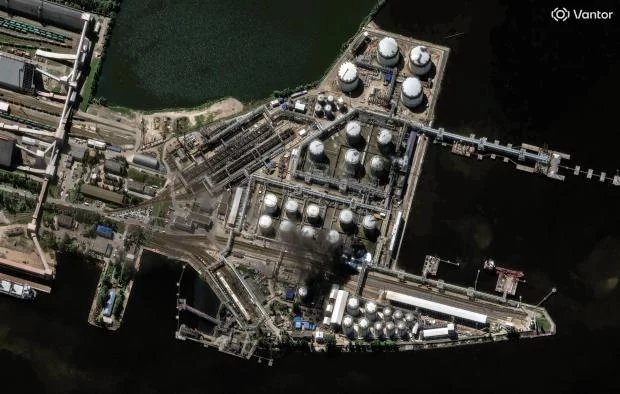
In recent weeks, however, both sides have intensified long-range drone and missile attacks, with Ukraine striking targets deep inside Russia, including St Petersburg, where an oil terminal was set ablaze shortly before the St Petersburg International Economic Forum. Vladimir Putin acknowledged that some drones are breaking through Russia’s air defences and said they must be strengthened, News.Az reports, citing Herald Scotland.
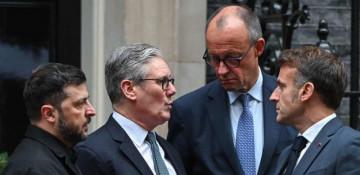
Amid this escalation, Volodymyr Zelenskyy issued an open letter proposing direct talks and a ceasefire, marking his first such appeal since Russia’s full-scale invasion in February 2022. Vladimir Putin rejected the idea of a meeting, saying negotiations should instead be handled by experts and focused on long-term agreements rather than immediate dialogue.
The exchange comes as analysts increasingly debate whether the conflict is entering a new phase shaped by shifting battlefield and geopolitical dynamics.
Military observers, including Jack Watling of the Royal United Services Institute (RUSI), argue that a ceasefire may now be a realistic possibility, pointing to changes in several battlefield trends rather than a single decisive shift. According to the Institute for the Study of War (ISW), Russian territorial gains have slowed significantly, while casualty levels are reported to exceed recruitment rates, placing strain on manpower.
At the same time, Ukraine’s expanded use of domestically produced long-range drones and missiles has enabled sustained strikes more than 1,000 kilometres inside Russia, targeting energy and logistical infrastructure. These operations, including repeated attacks on oil facilities, are described by analysts as part of a broader strategy to pressure Russia’s economic capacity.
Russian public opinion indicators also suggest rising domestic unease, with polling data showing increased “personal protest potential” compared to earlier in the war. Meanwhile, geopolitical factors, including shifting United States political dynamics and European military support, continue to influence the strategic environment.
Despite ongoing speculation about a potential inflection point, analysts remain divided on whether current trends can translate into a durable ceasefire, as both sides continue to adapt militarily and politically to a prolonged conflict.
By Leyla Şirinova


Similar news