War Day 39: Trump sets final deadline for Iran while Tehran slams "rude" US threats


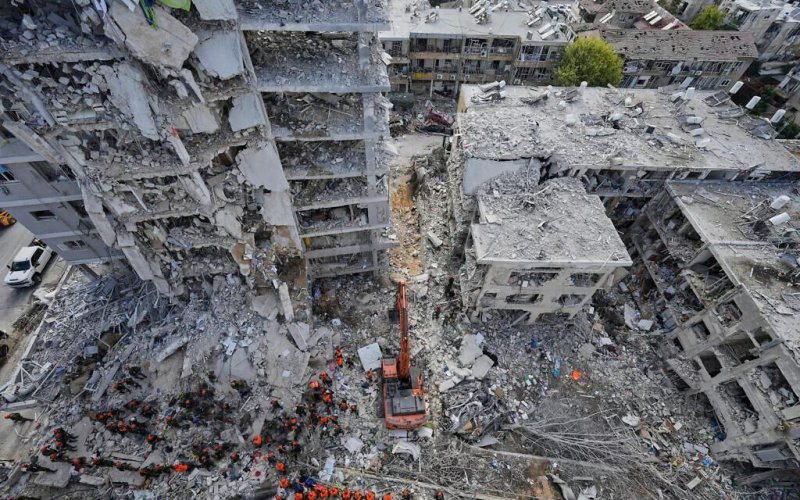
The conflict between Israel and Iran entered its 39th day with a sharp escalation in military activity, widening regional involvement, and increasingly stark rhetoric from global leaders.
That fresh Israeli airstrikes inside Iran, retaliatory missile fire, and mounting international concern over civilian infrastructure marked the latest phase of the war, even as ceasefire efforts faltered, News.Az reports, citing The Economic Times. Israel and Iran continued to exchange fire, with Iranian media reporting explosions in multiple locations.
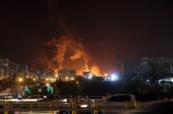
“Moments ago, explosions were heard in parts of Tehran and Karaj,” local media outlets Fars and Mehr said on Telegram, as blasts rocked the capital and nearby areas.
RECOMMENDED STORIES
The Israeli military confirmed it was conducting a “wave” of airstrikes on Iranian territory. At the same time, it said its air defence systems were activated in response to missiles launched by Iran, indicating ongoing retaliatory strikes from Tehran. The conflict’s footprint expanded beyond Iran and Israel, with neighbouring countries increasingly drawn in.
Saudi Arabia said its air defences intercepted and destroyed seven ballistic missiles targeting the eastern part of the kingdom. Debris from the interceptions reportedly fell near power facilities, underlining the risks to critical infrastructure. In Iraq’s Kurdistan region, a drone described by local authorities as “coming from Iran” crashed into a residential home, killing a couple. Further tensions were reported near Erbil, where two blasts were heard close to the airport hosting advisers from the US-led anti-jihadist coalition. Hours earlier, air defence systems intercepted four missiles headed towards the US consulate in the city.
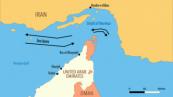
US President Donald Trump significantly raised the stakes with sweeping threats against Iran’s infrastructure, tying them to an ultimatum over the Strait of Hormuz. He warned that “the entire country” of Iran “could be taken out in one night and that night might be tomorrow night,” if Tehran failed to comply.
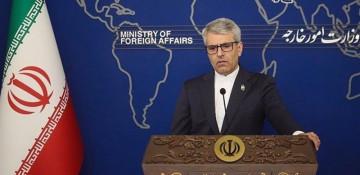
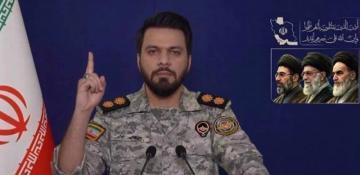
“Every power plant in Iran will be out of business, burning, exploding and never to be used again,” Trump said, adding that bridges could face “complete demolition by 12 o’clock… over a period of four hours — if we wanted to.” Iran dismissed the remarks, with an army spokesman saying the “rude, arrogant rhetoric” of the US president would not affect its military operations. Diplomatic efforts to halt the conflict showed little progress. Trump acknowledged a mediated proposal, calling it “a significant step,” but added: “It’s not good enough.” Iranian state media reported that the proposal contained 10 undisclosed points but said Tehran had rejected it, insisting on the need for a “definitive end to the conflict.” The rejection from both sides leaves the war with no immediate off-ramp.
International concern deepened over threats to civilian infrastructure and nuclear safety. International Committee of the Red Cross chief Mirjana Spoljaric warned that “deliberate threats... against essential civilian infrastructure and nuclear facilities must not become the new norm in warfare.” She added: “Any war fought without limits is incompatible with the law.” Trump, when asked about the possibility of war crimes linked to such attacks, said: “I’m not worried about it,” arguing that an Iran possessing nuclear weapons would pose a greater danger. Separately, the head of the International Atomic Energy Agency, Rafael Grossi, warned that strikes near Iran’s Bushehr nuclear power plant “pose a very real danger to nuclear safety and must stop.” He said a recent strike landed just 75 metres from the facility’s perimeter. Israel expanded its campaign to target Iran’s military and economic infrastructure.
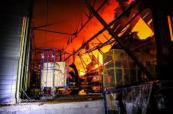
The Israeli military said it struck three airports in Tehran, targeting aircraft and helicopters in an effort to “degrade the Iranian Air Force and the IRGC air force.” It also targeted energy infrastructure, striking Iran’s largest petrochemical complex linked to the South Pars gas field—the world’s biggest natural gas reserve. Israeli Prime Minister Benjamin Netanyahu said the facility had been “destroyed” and that Israel was “systematically eliminating the Revolutionary Guards’ money machine.”
Another petrochemical complex near Shiraz was also hit, according to local authorities. As the war enters its sixth week, the situation remains volatile on multiple fronts—military, diplomatic, and humanitarian. With intensifying strikes, widening regional involvement, and hardened positions on both sides, the prospect of de-escalation appears increasingly distant, even as warnings mount over the risks of a broader and more destructive conflict.
By Leyla Şirinova


Similar news