What happened in China’s football system


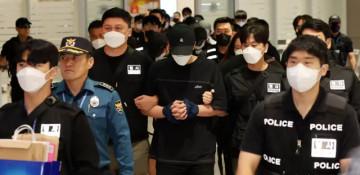
China’s football authorities have announced one of the most sweeping disciplinary actions in the country’s sporting history, News.Az reports.
Key takeaways
- China’s football authorities have delivered a clear message that match fixing and corruption will no longer be tolerated.
- By imposing lifetime bans and directly punishing clubs, they have chosen the strongest measures available to defend integrity.
- Whether this moment becomes a true turning point will depend on sustained, transparent, and fair governance long after the headlines fade.
A large group of players, coaches, referees, officials, and administrators have received lifetime bans from all football related activities after investigations confirmed widespread match fixing and corruption. At the same time, several professional clubs were punished with competitive and financial sanctions ahead of the upcoming domestic season.
The decision represents a major escalation in efforts to restore integrity to a sport that has long struggled with scandals, declining trust, and structural weaknesses.
Who imposed the bans
The sanctions were issued by China’s national football governing body, which oversees professional leagues, national teams, refereeing systems, and grassroots structures. Acting under its disciplinary authority, the federation ruled that those involved in serious integrity violations would be permanently excluded from the sport.
Officials described the move as a zero tolerance response designed to deter future manipulation as much as to punish past wrongdoing.
What a lifetime ban means in practice
A lifetime ban is the harshest punishment available in football governance. It means that an individual can never again participate in the sport in any official capacity. Playing, coaching, refereeing, club management, academy work, scouting, administration, and advisory roles are all prohibited.
The objective is total removal from the football ecosystem, ensuring that sanctioned individuals cannot influence matches, careers, or institutional decisions in the future.
Why the scale of the bans matters
The sheer scope of the sanctions indicates that authorities see match fixing as a systemic problem rather than a series of isolated incidents. The action suggests that corruption had spread across different levels and roles within the game.
Large scale lifetime bans are rare globally. When they occur, they usually signal that regulators believe softer punishments have failed and that a decisive reset is required to protect the sport’s credibility.
Who was involved
Those sanctioned reportedly included former senior football officials, well known coaches, players, and other figures with significant influence. Some had already been linked to broader anti corruption investigations, while others were disciplined solely through football governance mechanisms.
The inclusion of high profile figures alongside lesser known participants sent a clear message that rank and reputation offer no protection.
Were these only sporting penalties
Although lifetime bans are sporting sanctions, the crackdown overlaps with criminal investigations into bribery, illegal gambling, and abuse of authority. In several cases, individuals had already faced court proceedings before football authorities finalized their own disciplinary actions.
This reflects the reality that match fixing often involves organized crime and financial misconduct beyond the boundaries of sport.
Why clubs were punished as well
Alongside individual bans, football authorities imposed penalties on multiple professional clubs, including starting the season with competitive disadvantages and paying substantial fines.
Clubs are punished because match fixing rarely happens without institutional failures. Weak oversight, poor financial controls, and ineffective leadership can create conditions where corruption thrives. Sanctioning clubs forces organizations to invest in compliance, monitoring, and ethical governance.
Why competitive penalties are so severe
Competitive sanctions strike at the heart of sporting fairness. Beginning a season at a disadvantage immediately reshapes title races, qualification hopes, and relegation battles. It also affects commercial income, as league performance influences sponsorships and fan engagement.
Because of these consequences, competitive penalties are among the most powerful tools available to regulators.
What kinds of match fixing are involved
Match manipulation can take many forms. Some schemes involve deliberately losing or drawing matches. Others focus on manipulating specific incidents within a game, such as penalties, red cards, goals conceded at certain moments, or score margins that are valuable for betting markets.
Even when matches appear normal to spectators, subtle manipulation can still generate profits for gambling networks.
Why match fixing happens
Financial pressure is one of the strongest drivers of corruption. Players and staff facing unpaid wages or unstable careers are more vulnerable to bribes or coercion. Weak governance, lack of integrity education, and insufficient monitoring of betting activity further increase risks.
Where reporting mechanisms are unsafe or ineffective, wrongdoing is more likely to remain hidden.
How authorities detect manipulation
Large scale investigations usually rely on a combination of tools. These include analysis of unusual betting patterns, financial audits, cooperation with law enforcement, examination of communication records, and testimony from insiders.
In many cases, investigations begin outside football through action against illegal gambling operations and later extend into the sport.
Is this crackdown part of a longer campaign
This action is widely seen as part of an ongoing effort rather than a sudden response. Previous disciplinary waves targeted players and officials involved in corruption and match manipulation, with each round becoming broader and more severe.
The trend suggests increasing coordination between football authorities and national anti corruption bodies.
Why action is being taken now
Timing is critical in enforcement. Announcing sanctions before a new season ensures that penalties have real sporting consequences. It also prevents clubs from benefiting from results achieved under compromised conditions.
More broadly, the crackdown aligns with a wider push to address corruption in high profile sectors and restore public confidence.
What this means for the domestic league
In the short term, disruption is inevitable. Sanctioned clubs face leadership changes, reputational damage, and competitive challenges. Players may seek transfers, sponsors may reconsider deals, and fans may react with anger or disappointment.
Over time, consistent enforcement could strengthen the league’s credibility and make it more attractive to investors and supporters.
Can trust be rebuilt among fans
Trust returns slowly. Strong punishment can reassure fans that authorities are serious, but it can also highlight how deep past problems were. Supporters will judge success not only by the severity of sanctions, but by whether fair play becomes the norm.
Transparency and consistency will be critical in shaping public perception.
How this affects the national team
A cleaner domestic competition can indirectly benefit the national team. When matches and appointments are based on merit rather than corruption, player development improves.
However, integrity reform alone will not transform performance. Long term success also depends on coaching quality, youth development, infrastructure, and stable club finances.
Can lifetime bans be challenged
Disciplinary systems usually allow some form of appeal, but lifetime bans are intentionally difficult to overturn. Only serious procedural errors or new evidence typically lead to reconsideration.
For most sanctioned individuals, the decision effectively ends their involvement in football.
How this compares with other countries
Match fixing is a global issue, affecting leagues across continents. What makes this case stand out is the breadth of lifetime bans issued in a single action and the parallel punishment of clubs alongside individuals.
Few football systems have applied sanctions on such a wide scale at once.
What structural changes are still needed
Punishment alone cannot eliminate corruption. Lasting reform requires strong governance, financial transparency, mandatory integrity education, safe reporting channels, and continuous monitoring.
Without these foundations, even severe sanctions risk becoming temporary deterrents rather than permanent solutions.
What observers should watch next
The coming months will show whether this crackdown leads to real change. Continued investigations, clear disciplinary reasoning, improved club governance, and regular integrity programs will be key indicators.
If enforcement remains consistent, the sport may finally move toward stability and fairness.
By Faig Mahmudov


Similar news