What is included in a minimal “safety kit” for emergencies


Emergencies rarely arrive with warning. Natural disasters, industrial accidents, power outages, extreme weather events, or public safety incidents can disrupt daily life within minutes, News.az reports.
In such situations, a minimal safety kit is not about survivalism or preparing for worst-case fantasies. It is about maintaining basic safety, health, and communication until normal services are restored or help arrives.
A well-designed minimal safety kit focuses on practicality, portability, and reliability. It should be easy to assemble, affordable, and adaptable to different types of emergencies. This evergreen guide explains what a minimal emergency safety kit should include, why each item matters, and how to think about preparedness realistically.
The purpose of a minimal safety kit
A minimal safety kit is designed to cover the first critical period of an emergency, typically 24 to 72 hours. During this time, electricity, water supply, transportation, and communication may be limited or unavailable. Emergency services may be delayed or overwhelmed.
The goal is not long-term self-sufficiency but short-term stability. A minimal kit helps you stay safe, informed, hydrated, and able to make rational decisions under stress. It reduces panic by ensuring that basic needs are already covered.
Water: the highest priority
Water is the most essential item in any emergency kit. Dehydration can become dangerous within a day, especially for children, elderly individuals, and people with medical conditions.
A minimal guideline is approximately two liters of drinking water per person per day. For a basic kit, this means at least four to six liters per person to cover one to three days. If space allows, more is always better.
Bottled water is the simplest option. In addition, a compact water purification method such as purification tablets or a small filter can be valuable if clean water sources become available but unsafe.
Food: simple, durable, and ready to eat
Emergency food should require no cooking, minimal preparation, and no refrigeration. The focus is on calories, shelf life, and ease of consumption rather than comfort or variety.
Suitable items include canned food with pull tabs, energy bars, dried fruit, nuts, crackers, and ready-to-eat meals. Choose foods that you already tolerate well to avoid digestive issues during stress.
A minimal kit should include enough food for at least one to three days. Manual can openers should be included if any food requires them.
Light and power: seeing and staying connected
Power outages are common during emergencies. Reliable light sources are essential for safety, navigation, and psychological comfort.
A minimal safety kit should include at least one flashlight per household, preferably LED, along with spare batteries. Headlamps are particularly useful because they leave hands free.
A power bank for mobile phones is increasingly essential. Communication devices are often the primary source of information and emergency alerts. Keeping a fully charged power bank can make a critical difference.
Communication and information tools
Access to reliable information reduces uncertainty and panic. When mobile networks fail or internet access is disrupted, alternative information sources become vital.
A battery-powered or hand-crank radio allows access to official announcements and emergency instructions. This is especially important during natural disasters or large-scale infrastructure failures.
Written emergency contact information should also be included. Phone batteries die, devices get lost, and memory fails under stress. A simple list of key numbers can be invaluable.
First aid supplies
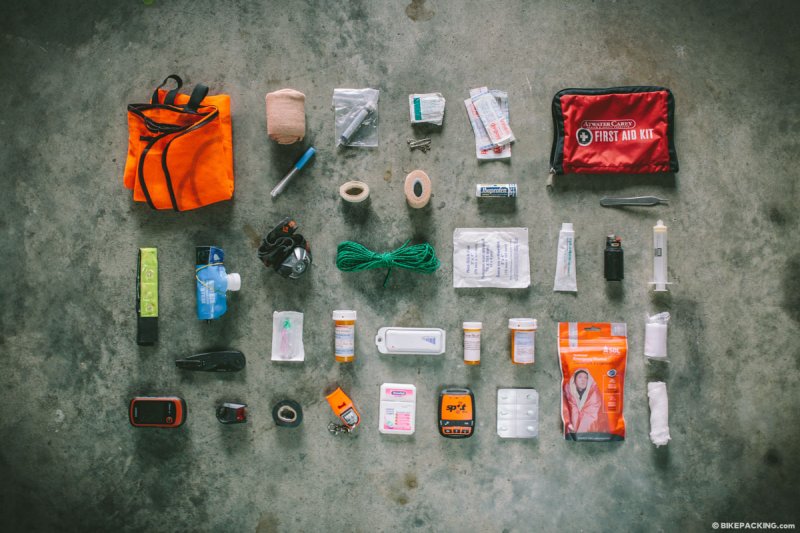
A basic first aid kit is a core component of any safety kit. It does not need to be extensive, but it should cover common injuries and medical needs.
Essential items include adhesive bandages, sterile gauze, antiseptic wipes, adhesive tape, pain relievers, and disposable gloves. Tweezers and scissors can be useful for minor procedures.
If you or family members rely on prescription medication, a small emergency supply should be included when possible. Medical information such as allergies, conditions, and prescriptions should be written down.
Personal protective items
Depending on the nature of an emergency, basic protective equipment can significantly reduce risk.
Face masks can protect against dust, smoke, or airborne particles. In certain situations, such as poor air quality or industrial accidents, they may be recommended by authorities.
Simple work gloves protect hands during cleanup or when handling debris. A lightweight rain poncho or emergency blanket helps maintain body temperature and protection from weather.
Hygiene and sanitation basics
Disruptions to water supply or sanitation systems can quickly create health risks. A minimal kit should include basic hygiene items to reduce infection and discomfort.
Wet wipes, hand sanitizer, tissues, and toilet paper are compact and highly useful. Toothbrushes and toothpaste support basic hygiene if displacement lasts longer than expected.
For situations involving waste management challenges, small trash bags and disposable gloves can help maintain cleanliness.
Clothing and warmth
Emergency situations often involve exposure to cold, heat, or wet conditions. A minimal clothing component should prioritize warmth and protection.
Emergency thermal blankets are lightweight and effective at retaining heat. Extra socks are particularly important, as wet or cold feet increase the risk of injury and illness.
If the kit is intended for evacuation, sturdy shoes should be considered part of readiness planning, even if they are not stored directly in the kit.
Documents and essential information
Important documents may be needed for identification, access to services, or relocation. Copies are safer than originals.
A minimal kit should include photocopies or digital backups of identification, insurance information, and important records stored in a waterproof container. A small amount of cash can be helpful if electronic payment systems are unavailable.
Writing materials such as a pen and paper allow note-taking, message leaving, or basic planning when digital tools are inaccessible.
Tools and practical extras
A few simple tools can dramatically improve flexibility during emergencies.
A multi-tool or small knife has many uses, from opening packages to basic repairs. Duct tape is lightweight and versatile for temporary fixes.
Matches or a lighter can be useful for warmth or cooking in certain scenarios, though fire use should always follow safety guidance.
Psychological and social considerations
Preparedness is not only physical. Stress, fear, and uncertainty affect decision-making and wellbeing.
Including familiar or comforting items, such as a book, playing cards, or a small personal object, can help maintain calm, especially for children.
Knowing that a safety kit is ready reduces anxiety even before an emergency occurs. This psychological benefit is one of the most overlooked advantages of preparedness.
Customizing the kit
A minimal safety kit should be adapted to individual circumstances. Climate, local risks, household size, pets, and medical needs all matter.
People living in earthquake-prone areas may prioritize protective gear, while those in flood zones may focus on waterproofing and evacuation readiness. Urban residents may emphasize communication and mobility, while rural households may need more self-reliance.
The key is balance. A minimal kit should remain portable and manageable, not so large that it becomes impractical to use.
Maintenance and readiness
A safety kit is only effective if it is maintained. Water and food should be checked periodically for expiration. Batteries should be tested and replaced as needed.
The kit should be stored in an accessible location known to all household members. Regular reviews ensure that the contents remain relevant and functional.
Preparedness is not a one-time task. It is a simple habit that improves resilience over time.
A realistic conclusion
A minimal safety kit for emergencies is about readiness, not fear. It covers essential needs such as water, food, light, communication, first aid, and basic protection during the most critical early phase of an emergency.
By focusing on practicality and realism, a minimal kit reduces panic, supports informed decision-making, and increases safety for individuals and families alike. In uncertain situations, preparation provides stability, and even a small, well-planned kit can make a decisive difference.


Similar news