What is inflation and how it affects everyday life


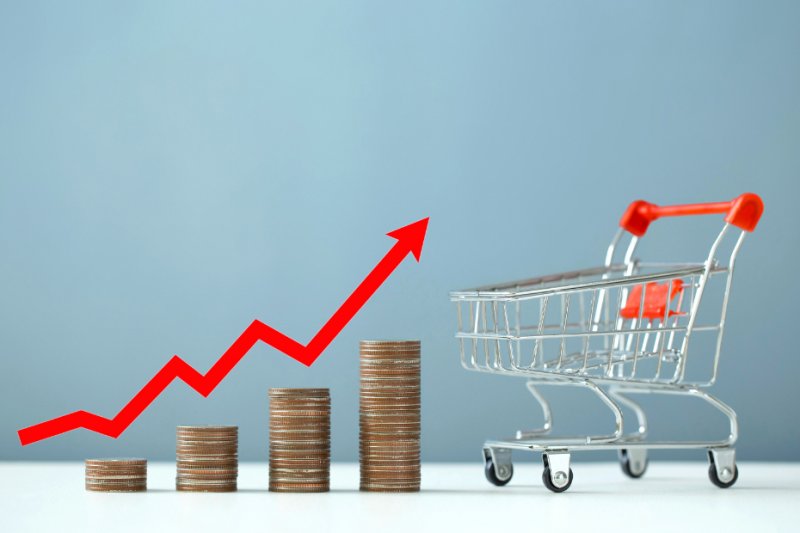
Inflation is one of the most important — and often misunderstood — economic phenomena. Simply put, it means a general rise in prices over time. When inflation occurs, each unit of currency — a dollar, a euro, or a manat — buys fewer goods and services than before. In other words, money gradually loses its purchasing power.
Inflation is a natural part of a growing economy, but when it becomes too high or unpredictable, it can cause serious problems for both individuals and businesses.
How inflation works
The simplest way to understand inflation is through supply and demand. If the demand for goods and services grows faster than supply, prices rise. This can happen for many reasons: higher production costs, supply chain disruptions, labor shortages, or government policies that inject more money into the economy.
Economists distinguish between several main types of inflation:
- Demand-pull inflation — occurs when demand exceeds supply. For example, when consumers have more disposable income or credit becomes cheaper, they buy more goods, pushing prices up.
- Cost-push inflation — happens when production costs rise, such as wages or raw materials. Companies pass these costs onto consumers through higher prices.
- Imported inflation — when the prices of goods and resources imported from abroad increase, often due to global factors like oil prices or exchange rate changes.
- Built-in inflation — when people and businesses expect prices to rise, they demand higher wages, which in turn leads to higher costs and new price hikes.
Why inflation happens
Inflation can result from a variety of factors. Governments and central banks sometimes intentionally allow moderate inflation to stimulate growth — for example, by lowering interest rates or increasing spending. But when the balance is lost, inflation accelerates.
Examples include:
- After crises or wars, when governments print money to cover deficits.
- When energy prices surge, raising costs across all sectors.
- When supply chains collapse, as happened during the COVID-19 pandemic, causing shortages and pushing prices upward.
How inflation is measured
The most common indicator is the Consumer Price Index (CPI) — a basket of goods and services that reflects typical consumer spending: food, clothing, housing, healthcare, transportation, and more. If the CPI increases by 5% in a year, it means the average price of these items has risen by that amount.
Central banks, such as the U.S. Federal Reserve or the European Central Bank, usually target inflation around 2% per year. This level is considered healthy — it encourages consumption and investment without eroding purchasing power too quickly.
How inflation affects everyday life
Inflation touches almost every aspect of daily living:
- Purchasing power decreases.
Prices for food, housing, fuel, and other essentials rise, but salaries often lag behind. This means that the same paycheck buys less each month. - Savings lose value.
Money sitting in a bank account or under the mattress gradually loses its worth. If inflation is 8% and your savings earn 4% interest, you’re effectively losing 4% in real terms. - Loans and debts change in value.
For borrowers, moderate inflation can be beneficial — debts become easier to repay as money loses value. But for lenders, the opposite is true: the real value of repayments falls. - Business uncertainty grows.
Companies find it harder to plan for the future when prices are unpredictable. They might delay investment, cut hiring, or raise prices even more to protect profits. - Social inequality increases.
Inflation hits low- and middle-income families hardest, since they spend a larger share of their income on basic goods. Wealthier people, who hold assets like property or stocks, are often better protected because these assets tend to rise in value during inflationary periods.
How governments and central banks control inflation
When inflation rises too quickly, central banks intervene by tightening monetary policy — mainly by raising interest rates. Higher borrowing costs make loans more expensive, cooling demand and slowing price growth.
Governments can also act by:
- Reducing budget deficits,
- Limiting subsidies that fuel excessive consumption,
- Supporting local production to stabilize supply.
Sometimes, during economic crises, the opposite approach is used — stimulus policies — to prevent deflation (a general fall in prices), which can also harm the economy.
Examples from recent years
After the COVID-19 pandemic, many countries experienced the highest inflation in decades. Disrupted logistics, labor shortages, and massive government spending led to price spikes in food, fuel, and housing. The United States reached inflation rates above 9% in 2022, while Europe faced similar challenges after the energy crisis triggered by the war in Ukraine.
Some countries, such as Turkey or Argentina, have faced chronic high inflation for years due to unstable currencies, excessive borrowing, and political uncertainty. In contrast, economies like Japan have struggled with the opposite problem — too little inflation, which slows growth and discourages spending.
How to protect yourself from inflation
While individuals can’t control inflation, they can adapt to it:
- Diversify savings. Invest in assets that tend to rise with inflation, such as real estate, stocks, or inflation-indexed bonds.
- Avoid holding too much cash. Idle money loses value fastest.
- Increase financial literacy. Understanding how inflation works helps make better decisions about savings, credit, and investments.
In conclusion
Inflation is neither entirely good nor entirely bad — it’s a natural part of economic life. Moderate inflation stimulates spending, investment, and innovation. But when it spirals out of control, it erodes wealth, destabilizes markets, and threatens social balance.
Ultimately, the key lies in maintaining stability. When prices rise predictably and incomes grow in step, inflation becomes a manageable companion to economic progress. But when confidence is lost — when people expect prices to keep climbing — inflation turns from an economic indicator into a social problem. And that’s why understanding it is so vital for every household, every business, and every nation.


Similar news