What is known about the situation in the Kursk region as of September 10


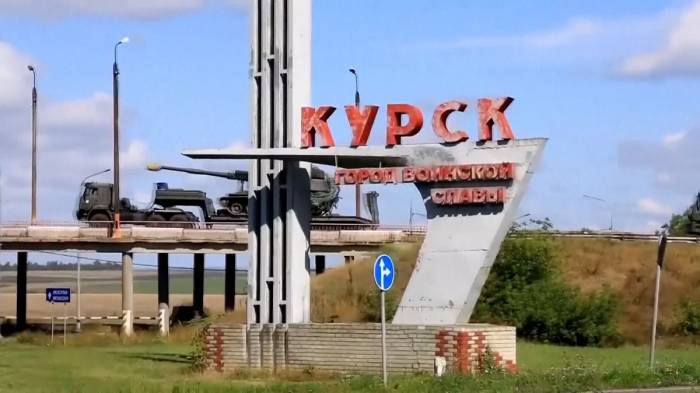
Over the past 24 hours , Ukrainian forces have suffered significant losses in the Kursk region, with 15 armored vehicles destroyed, including two tanks, 13 armored fighting vehicles, three artillery pieces, and 11 military trucks, according to the Russian Ministry of Defense. Russia’s Security Council Secretary, Sergei Shoigu, made it clear in an interview with Russia-24 that there will be no talks with Ukraine while their forces remain on Russian soil.
Russian military forces, with the support of aviation and artillery, managed to repel six attacks from the Ukrainian side near the villages of Apanasovka, Kamyshevka, Maryevka, and Cherkasskaya Konopelka. Additional assaults near Borki, Krasnooktyabrskoye, and Kremyanoye were also successfully blocked, resulting in the destruction of a Ukrainian tank, two armored vehicles, and a truck.
In addition, Russian airstrikes targeted Ukrainian forces and equipment across several locations, including Boroki, Vnezapnoye, Ivashkovskiy, and Kubatkin, among others. In the Sumy region, Russian aviation and missile forces also hit areas where foreign mercenaries were reportedly gathered.
Shoigu reaffirmed that Russia would not engage in peace negotiations with Ukraine as long as Ukrainian forces continue their presence on Russian territory, labeling the UAF as terrorists, especially given the risks they pose to critical infrastructure like the Kursk nuclear plant. He also revealed that, before the Ukrainian invasion of the Kursk region, President Putin had agreed to halt strikes on Ukraine’s energy infrastructure following a proposal from Turkey. However, Shoigu added that Ukraine later backed out of the agreement, and the invasion was an attempt to push Russia into negotiations under Ukrainian terms.
Kremlin spokesman Dmitry Peskov echoed these sentiments, clarifying that there was never a formal agreement to stop strikes on Ukraine’s energy infrastructure. He stressed that Russia’s main goal is still achieving the objectives of the ongoing special military operation, which continues as the only feasible path forward. Peskov also mentioned that the Russian military has a detailed plan to drive Ukrainian forces out of the Kursk region, but this plan won’t be made public.
Residents in the affected areas of the Kursk region can expect financial compensation between 75,000 and 150,000 rubles for property loss, according to the region’s governor, Alexey Smirnov. Residents can apply for assistance through government services or local service centers. Priority will be given to those who were evacuated from nine districts during the emergency period. Smirnov also indicated that certain districts are still too dangerous for damage assessments, but those residents will still receive 150,000 rubles under a simplified process.
According to the German tabloid Bild, many of the self-propelled howitzers used by Ukrainian forces, supplied by Germany, the Netherlands, and Italy, are currently out of action due to wear and tear and a lack of spare parts. The barrels, in particular, need frequent replacement, and the delay in repairs is severely limiting Ukraine’s military capabilities in the region.
The Wall Street Journal (WSJ) reports growing support among Ukrainian citizens for peace talks with Russia. However, only 18% of Ukrainian soldiers agree, with most believing that the goal should still be restoring Ukraine’s 1991 borders. After the Ukrainian incursion into the Kursk region on August 6, the Kremlin stated that any potential for talks with Ukraine had effectively disappeared.
Russian military forces, with the support of aviation and artillery, managed to repel six attacks from the Ukrainian side near the villages of Apanasovka, Kamyshevka, Maryevka, and Cherkasskaya Konopelka. Additional assaults near Borki, Krasnooktyabrskoye, and Kremyanoye were also successfully blocked, resulting in the destruction of a Ukrainian tank, two armored vehicles, and a truck.
In addition, Russian airstrikes targeted Ukrainian forces and equipment across several locations, including Boroki, Vnezapnoye, Ivashkovskiy, and Kubatkin, among others. In the Sumy region, Russian aviation and missile forces also hit areas where foreign mercenaries were reportedly gathered.
Shoigu reaffirmed that Russia would not engage in peace negotiations with Ukraine as long as Ukrainian forces continue their presence on Russian territory, labeling the UAF as terrorists, especially given the risks they pose to critical infrastructure like the Kursk nuclear plant. He also revealed that, before the Ukrainian invasion of the Kursk region, President Putin had agreed to halt strikes on Ukraine’s energy infrastructure following a proposal from Turkey. However, Shoigu added that Ukraine later backed out of the agreement, and the invasion was an attempt to push Russia into negotiations under Ukrainian terms.
Kremlin spokesman Dmitry Peskov echoed these sentiments, clarifying that there was never a formal agreement to stop strikes on Ukraine’s energy infrastructure. He stressed that Russia’s main goal is still achieving the objectives of the ongoing special military operation, which continues as the only feasible path forward. Peskov also mentioned that the Russian military has a detailed plan to drive Ukrainian forces out of the Kursk region, but this plan won’t be made public.
Residents in the affected areas of the Kursk region can expect financial compensation between 75,000 and 150,000 rubles for property loss, according to the region’s governor, Alexey Smirnov. Residents can apply for assistance through government services or local service centers. Priority will be given to those who were evacuated from nine districts during the emergency period. Smirnov also indicated that certain districts are still too dangerous for damage assessments, but those residents will still receive 150,000 rubles under a simplified process.
According to the German tabloid Bild, many of the self-propelled howitzers used by Ukrainian forces, supplied by Germany, the Netherlands, and Italy, are currently out of action due to wear and tear and a lack of spare parts. The barrels, in particular, need frequent replacement, and the delay in repairs is severely limiting Ukraine’s military capabilities in the region.
The Wall Street Journal (WSJ) reports growing support among Ukrainian citizens for peace talks with Russia. However, only 18% of Ukrainian soldiers agree, with most believing that the goal should still be restoring Ukraine’s 1991 borders. After the Ukrainian incursion into the Kursk region on August 6, the Kremlin stated that any potential for talks with Ukraine had effectively disappeared.


Similar news