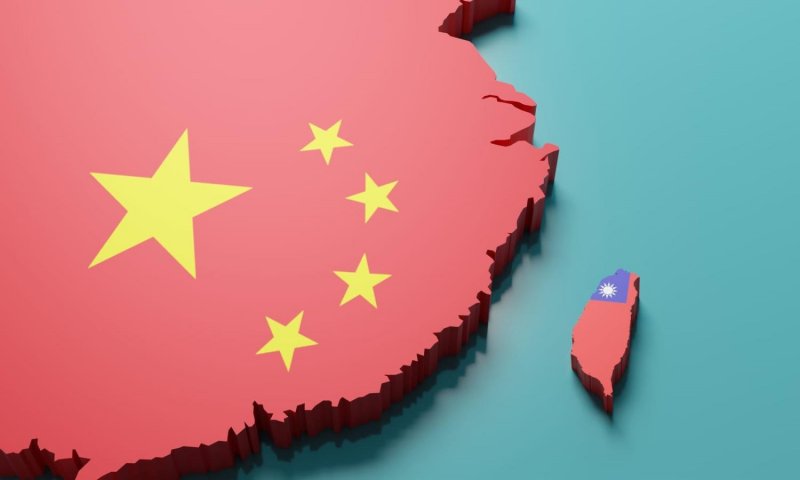
China considers Taiwan a breakaway province and has repeatedly stated its intention to achieve reunification, by force if necessary. Taiwan, on the other hand, operates as a self governing democracy with its own political system, military, and economy.
The current phase is defined by increased military activity around the Taiwan Strait, including air incursions, naval exercises, and simulated blockade scenarios.
Why are tensions increasing now
Tensions have escalated due to a combination of internal political dynamics and external geopolitical factors. In Taiwan, shifts in political leadership and public opinion have reinforced a distinct identity separate from mainland China.
At the same time, China has become more assertive in its foreign policy, viewing Taiwan as a core national interest. Beijing perceives any move toward formal independence as a red line.
External factors also play a role. Support for Taiwan from the United States and its allies has increased, including arms sales and diplomatic engagement. This has heightened China’s concerns about containment and encirclement.
What military activities are taking place around Taiwan
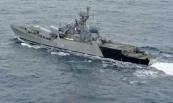
These operations include large scale exercises involving fighter jets, bombers, warships, and missile systems. Some drills simulate blockades or amphibious assaults, signaling China’s readiness for different scenarios.
Taiwan responds by scrambling its own air force, monitoring incursions, and strengthening its defensive posture. The frequency and scale of these activities have increased, raising concerns about accidental escalation.
What is the Taiwan Strait and why is it important
The Taiwan Strait is a narrow body of water separating mainland China from Taiwan. It is a crucial route for international shipping and trade.
A significant portion of global maritime traffic passes through this strait, including goods and energy supplies. Its stability is therefore vital for global commerce.
Control over the Taiwan Strait has both strategic and economic implications. Any disruption could affect global supply chains and increase shipping costs.
What role does the United States play in this issue
The United States plays a central but carefully calibrated role in the Taiwan issue. While it does not formally recognize Taiwan as an independent state, it maintains strong unofficial relations and provides military support.
Under longstanding policy frameworks, the United States supplies Taiwan with defensive weapons and maintains the capacity to respond to threats. This approach is often described as strategic ambiguity.
For China, US involvement is seen as interference in its internal affairs. For Taiwan, it is a critical component of deterrence.
Is a military conflict between China and Taiwan likely
A full scale conflict remains a possibility but not an inevitability. Both sides are aware of the immense costs associated with war, including economic disruption and potential international involvement.
However, the risk of limited conflict or coercive measures is increasing. These could include blockades, cyber attacks, or targeted strikes designed to pressure Taiwan without triggering a full war.
The greatest danger lies in miscalculation. An incident involving military forces could escalate rapidly if not contained.
How important is Taiwan to the global economy
Taiwan holds a critical position in the global economy, particularly in the semiconductor industry. It is home to some of the world’s most advanced chip manufacturing facilities.
These semiconductors are essential for a wide range of industries, including electronics, automotive, and defense. Disruptions to Taiwan’s production would have global repercussions.
This economic significance adds another layer of complexity to the conflict, as many countries have a stake in maintaining stability.
How could a conflict impact global trade
A conflict in the Taiwan Strait would have severe consequences for global trade. Shipping routes could be disrupted, leading to delays and increased costs.
Supply chains, already strained by previous global events, would face additional pressure. Industries dependent on just in time delivery systems would be particularly vulnerable.
Financial markets would likely react negatively, with increased volatility and risk aversion.
What strategies might China use in a crisis
China has several options short of full scale invasion. One of the most discussed is a blockade, which would aim to isolate Taiwan economically and force concessions.
Other strategies include cyber operations targeting infrastructure, disinformation campaigns, and limited military strikes.
China could also use economic pressure, such as trade restrictions, to influence Taiwan’s decision making.
How is Taiwan preparing for potential threats
Taiwan is investing heavily in its defense capabilities, focusing on asymmetric strategies designed to counter a larger adversary. This includes mobile missile systems, coastal defenses, and improved air defense.
Training and civil defense measures are also being enhanced. Taiwan aims to make any potential invasion costly and difficult.
International cooperation and support play a key role in Taiwan’s strategy.
What role do regional allies play
Regional allies, including Japan and other Indo Pacific countries, are closely monitoring the situation. While their involvement would depend on specific circumstances, many have expressed concern about stability in the Taiwan Strait.
These countries are strengthening their own defenses and increasing cooperation with the United States.
The broader regional security architecture is evolving in response to the perceived threat.
How does this tension affect global geopolitics
The China Taiwan issue is a central element of broader strategic competition between major powers. It reflects deeper questions about international order, sovereignty, and influence.
The situation influences military planning, alliance formation, and diplomatic relations worldwide.
It also highlights the interconnected nature of security and economics in the modern world.
What are the possible future scenarios
Several scenarios are possible. The most likely is continued tension without direct conflict, characterized by military posturing and political signaling.
Another scenario involves increased coercion, such as a blockade or intensified cyber operations. The most severe scenario is a full scale military conflict.
Each scenario carries different risks and implications for the region and the world.
Why does this issue matter globally
The China Taiwan tensions matter because of their potential to disrupt global stability. The economic, political, and security implications extend far beyond East Asia.
The Taiwan Strait is a key artery of global trade, and Taiwan’s role in technology supply chains is critical.
Any conflict would have far reaching consequences, making this one of the most closely watched issues in international relations.
Conclusion
China Taiwan relations are entering a critical period marked by rising tensions and strategic uncertainty. While a peaceful outcome remains possible, the risks are increasing.
Understanding the dynamics of this issue requires careful analysis of military, economic, and political factors. The stakes are high, and the outcomes will shape the future of global order.
As the situation evolves, maintaining stability will require a delicate balance of deterrence, diplomacy, and strategic restraint.