Why are 125,000 more German auto jobs at risk by 2035?


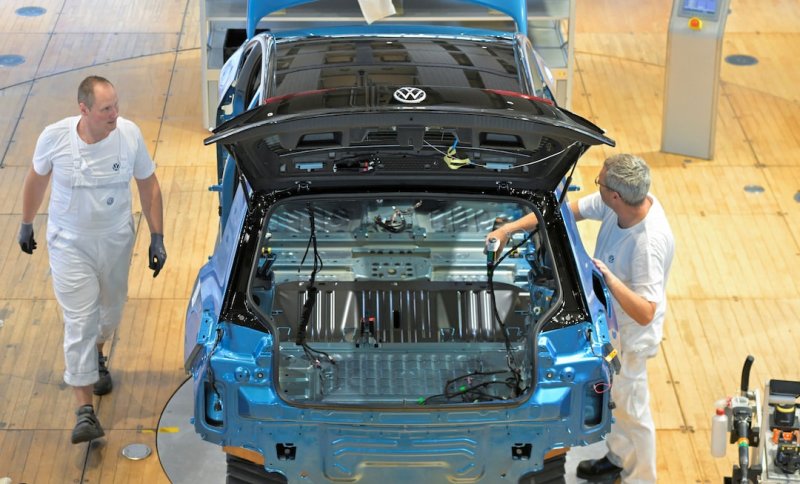
Germany’s automotive industry association warned that another 125,000 jobs could disappear from the country’s car sector by 2035 unless major policy and competitiveness changes are made.
According to the industry body, total job losses in the German automotive sector since 2019 could eventually reach around 225,000 positions.
RECOMMENDED STORIES
The warning reflects growing anxiety inside Germany’s car industry as manufacturers face:
-
Electric vehicle transition
-
Rising production costs
-
Chinese competition
-
EU climate regulations
-
Technological transformation
-
Weak economic growth
Germany’s automotive sector is one of the country’s most important industries, meaning large scale job losses could have major economic and political consequences.
What is the VDA and why is its warning important?
The warning came from the German Association of the Automotive Industry, commonly known as the VDA.
The organization represents major German automotive companies and suppliers, including firms connected to:
-
BMW
-
Mercedes-Benz
-
Volkswagen
-
Porsche
Because Germany’s economy relies heavily on automotive manufacturing, statements from the VDA are closely watched by policymakers, unions, investors, and international markets.
The organization argues that current European Union climate policies may threaten industrial competitiveness and employment.
Why are jobs disappearing in the auto industry?
The automotive industry is undergoing one of the biggest transformations in its history.
Major changes include:
-
Shift from combustion engines to electric vehicles
-
Automation and robotics
-
Digitalization
-
Software driven vehicle systems
-
Artificial intelligence integration
-
Supply chain restructuring
Electric vehicles generally require fewer mechanical components and less labor intensive manufacturing than traditional gasoline or diesel vehicles.
As a result, some jobs linked to engine production, transmissions, and traditional mechanical systems may disappear over time.
At the same time, companies are restructuring operations to reduce costs and compete globally.
What are the EU’s 2035 rules?
The European Union plans to effectively ban the sale of new combustion engine cars by 2035 through strict CO2 fleet emission rules.
Under current policy, only:
-
Battery electric vehicles
-
Hydrogen fuel cell vehicles
would qualify for new registrations after 2035.
The policy forms part of Europe’s broader climate strategy aimed at reducing carbon emissions and accelerating the transition to cleaner transportation.
Supporters argue the rules are necessary to combat climate change and encourage technological innovation.
Critics, however, fear the transition could damage industries and employment if implemented too aggressively.
Why does the German auto industry oppose parts of the EU plan?
The VDA argues the EU should adopt a more “technology open” approach instead of focusing almost exclusively on battery electric vehicles.
Industry representatives say a broader mix of technologies could preserve jobs while still reducing emissions.
They support continued roles for:
-
Plug in hybrids
-
Range extender vehicles
-
Renewable fuel powered combustion engines
-
Alternative propulsion technologies
The VDA claims current EU rules could directly threaten around 50,000 German jobs linked to traditional engine manufacturing and related industries.
Manufacturers worry that rapid electrification may outpace industrial adaptation.
What are plug in hybrids and range extenders?
Plug in hybrids combine traditional combustion engines with electric motors and rechargeable batteries.
They can operate using electricity for shorter trips while still using fuel for longer distances.
Range extender vehicles primarily use electric power but include small combustion engines that recharge batteries when needed.
Supporters argue such technologies could help ease the transition toward cleaner mobility without eliminating combustion engine related industries immediately.
Critics, however, say hybrids still rely partly on fossil fuels and may slow full electrification.
Why is Germany especially vulnerable to automotive disruption?
Germany’s economy is deeply tied to the automotive sector.
The industry supports:
-
Manufacturing jobs
-
Exports
-
Engineering
-
Research and development
-
Industrial supply chains
German automakers became global leaders through decades of expertise in combustion engine technology and precision manufacturing.
However, the transition toward electric vehicles changes many of the technologies and supply chains on which Germany’s industrial success was built.
This creates pressure on traditional suppliers and workers whose expertise is closely linked to older automotive systems.
How is China affecting Germany’s auto industry?
Chinese electric vehicle manufacturers are rapidly expanding globally and increasing competitive pressure on European automakers.
Chinese companies often benefit from:
-
Large scale production
-
Strong battery supply chains
-
Lower manufacturing costs
-
Government support
-
Aggressive pricing
German automakers now face growing competition in both Europe and China itself, which is one of the world’s largest car markets.
The rise of Chinese EV companies intensified concerns about competitiveness, profitability, and employment across Europe’s automotive sector.
Why do electric vehicles require fewer workers?
Electric vehicles contain fewer moving mechanical parts than traditional combustion engine vehicles.
They generally do not require:
-
Complex transmissions
-
Large exhaust systems
-
Many engine components
-
Certain fuel system technologies
As a result, EV manufacturing can involve simpler assembly processes and reduced labor needs in some areas.
This threatens jobs connected to traditional engine production and supplier networks.
While EV growth may create new jobs in batteries and software, the transition can still cause significant disruption for workers tied to older technologies.
What does “technology open” mean in this debate?
“Technology open” policies mean allowing multiple technological pathways instead of promoting only one solution.
In the automotive context, this could include support for:
-
Electric vehicles
-
Hydrogen technologies
-
Renewable synthetic fuels
-
Plug in hybrids
-
Alternative low emission systems
The German auto industry argues this approach could preserve industrial flexibility and reduce job losses.
Environmental groups, however, often argue that fully electric systems remain the most effective long term solution for reducing emissions.
Why are renewable fuels controversial?
Renewable fuels, sometimes called e fuels or synthetic fuels, are produced using renewable energy rather than fossil resources.
Supporters argue they could allow combustion engines to operate with lower emissions.
Critics say:
-
Production remains expensive
-
Energy efficiency is lower than EVs
-
Large scale deployment remains uncertain
The debate over renewable fuels became highly political in Europe because some governments and industries want combustion engine technologies to remain viable beyond 2035.
Could the job losses really happen?
Industry forecasts are uncertain, but most analysts agree the automotive sector will experience major labor changes over the next decade.
Potential risks include:
-
Factory restructuring
-
Supplier closures
-
Automation
-
Production relocation
-
Competition from foreign manufacturers
However, new jobs may also emerge in areas such as:
-
Battery production
-
Software engineering
-
Charging infrastructure
-
AI systems
-
Autonomous driving technologies
The key challenge is whether enough new employment opportunities can replace disappearing traditional automotive jobs.
How are governments responding?
European governments face difficult choices balancing:
-
Climate goals
-
Industrial competitiveness
-
Employment protection
-
Technological leadership
Many governments are investing heavily in:
-
Battery factories
-
EV subsidies
-
Green energy infrastructure
-
Semiconductor production
-
Industrial transition programs
At the same time, policymakers are under pressure from manufacturers and labor unions concerned about economic disruption.
The debate over the future of Europe’s automotive industry is likely to intensify further in coming years.
What happens next for Germany’s car industry?
Germany’s automotive sector is entering a critical transition period.
Key questions include:
-
Can German automakers remain globally competitive?
-
Will EV demand continue growing rapidly?
-
Can workers successfully transition into new industries?
-
Will the EU adjust its climate policies?
-
How much market share will Chinese companies gain?
The answers could shape not only the future of Germany’s economy but also Europe’s industrial position in the global automotive market.
For now, the VDA’s warning highlights growing fears that the electric transition, while environmentally important, could also bring significant industrial and social consequences if competitiveness and employment challenges are not managed carefully.
By Faig Mahmudov


Similar news