Why are magnesium glycinate and Japanese head spas trending worldwide in 2026?


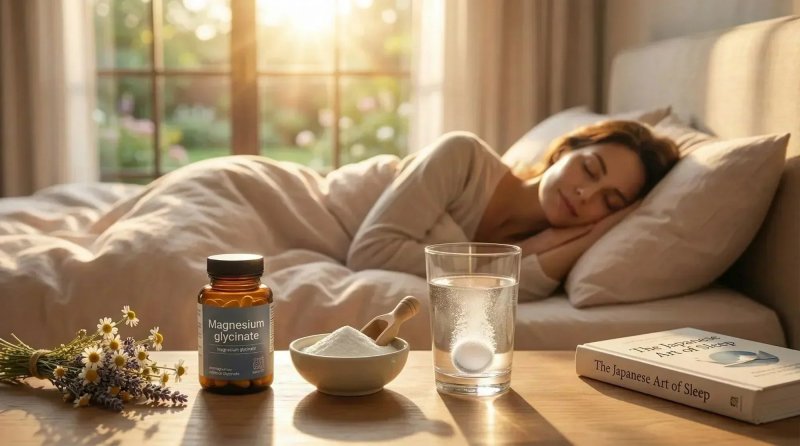
The global wellness industry reached another major turning point in 2026 as searches for magnesium glycinate, Japanese head spas, creatine gummies, AI skincare tools and luxury self care experiences exploded across the internet during early May.
Health and wellness became some of the most searched lifestyle topics worldwide as millions of people increasingly focused on stress reduction, sleep quality, mental balance, beauty optimization and long term physical wellbeing. Social media platforms, celebrity influence and growing public exhaustion from fast paced digital life helped transform wellness culture into one of the biggest consumer movements of the decade.
RECOMMENDED STORIES
Among the fastest growing search themes were magnesium glycinate supplements promoted for relaxation and sleep support, along with Japanese head spa treatments that became viral online because of their calming visual aesthetics and luxurious sensory experiences.
The wellness boom reflects broader cultural shifts involving burnout, anxiety, productivity pressure and the growing desire for healthier lifestyles in a highly connected digital society. Consumers are now spending billions on supplements, skincare, fitness products, mindfulness practices and wellness technology designed to improve both physical and emotional wellbeing.
Below is a detailed FAQ explainer examining why wellness trends became one of the most dominant internet themes of 2026 and why self care culture continues reshaping modern lifestyles worldwide.
Why are wellness searches exploding worldwide in 2026?
Wellness related searches are growing rapidly because people increasingly feel overwhelmed by modern life.
Global audiences are searching heavily for:
Stress relief
Sleep improvement
Mental wellness
Longevity
Skincare optimization
Supplements
Luxury relaxation treatments
Digital detox experiences
Many people now view wellness not as a luxury but as a necessity for managing modern lifestyles shaped by constant connectivity, work pressure and social media exposure.
At the same time, wellness content performs extremely well online because it combines aspiration, visual aesthetics and emotional comfort.
What is magnesium glycinate and why is it trending?
Magnesium glycinate is a magnesium supplement combined with glycine, an amino acid often associated with calming effects.
The supplement became highly searched because influencers and wellness creators promoted it for potential benefits involving:
Sleep support
Stress reduction
Muscle recovery
Relaxation
Mental calmness
Social media platforms helped popularize magnesium glycinate through viral wellness routines and “nighttime reset” videos.
Consumers increasingly seek supplements that promise emotional balance and recovery from stress driven lifestyles.
Why are Japanese head spas becoming so popular?
Japanese head spas became a major viral wellness trend because they combine beauty treatment, scalp care and deep relaxation in visually soothing environments.
These treatments often include:
Scalp massage
Steam therapy
Hair cleansing rituals
Aromatherapy
Water based relaxation techniques
Head spa videos spread rapidly online because they create calming sensory experiences that viewers find emotionally satisfying even while watching digitally.
Many people now view head spas as luxury wellness escapes from everyday stress.
How important is social media to wellness trends?
Social media plays a massive role in shaping modern wellness culture.
Platforms like TikTok and Instagram transformed wellness into a visual lifestyle movement.
Popular content includes:
Morning routines
Supplement stacks
Skincare rituals
Fitness transformations
Relaxation videos
Healthy meal preparation
Sleep optimization routines
The visual and emotional appeal of wellness content helps trends spread globally at extraordinary speed.
Why are younger generations investing heavily in self care?
Younger generations are facing high levels of stress linked to:
Economic uncertainty
Digital overload
Social comparison
Work pressure
Mental health awareness
As a result, many younger consumers prioritize emotional wellbeing and personal balance more than previous generations.
Self care is increasingly viewed as an important form of mental and physical maintenance rather than simple indulgence.
This cultural shift helped fuel the wellness industry boom.
What role does burnout play in the wellness boom?
Burnout became one of the defining social issues of the modern digital era.
Many people feel exhausted by nonstop work culture, constant notifications and social media pressure.
Wellness products and services are increasingly marketed as solutions for:
Fatigue
Stress
Anxiety
Poor sleep
Emotional imbalance
The popularity of relaxation focused trends reflects widespread desire for recovery and emotional calm.
Why are sleep related wellness trends growing?
Sleep optimization became one of the biggest wellness industries because poor sleep affects millions of people globally.
Searches surged for:
Sleep supplements
Melatonin alternatives
Magnesium products
Sleep tracking devices
Night routines
Relaxation therapies
Consumers increasingly understand that sleep quality strongly affects physical and mental health.
This awareness turned sleep into a major lifestyle and consumer trend.
What are creatine gummies and why are they trending?
Creatine gummies became popular because consumers want more convenient and enjoyable fitness supplements.
Traditionally used in powder form by athletes and gym users, creatine expanded into mainstream wellness culture through easier to consume products.
Searches increased because wellness audiences increasingly blend:
Fitness
Beauty
Energy optimization
Longevity
Performance enhancement
Modern wellness culture often combines aesthetics and health goals simultaneously.
How is AI changing the beauty and wellness industry?
Artificial intelligence is becoming deeply integrated into beauty and wellness products.
AI powered systems now offer:
Personalized skincare recommendations
Health tracking
Sleep analysis
Fitness planning
Beauty diagnostics
Nutrition guidance
Consumers are increasingly interested in hyper personalized wellness experiences powered by technology.
At the same time, critics worry excessive reliance on digital wellness systems may increase anxiety and unrealistic self optimization pressure.
Why are luxury wellness experiences becoming mainstream?
Luxury wellness services were once targeted mainly toward wealthy consumers.
Today, however, wellness became aspirational across broader audiences because people increasingly prioritize experiences involving comfort, calm and emotional restoration.
Popular luxury wellness trends include:
Head spas
Ice baths
Sauna therapy
Retreat vacations
Meditation spaces
Spa treatments
Wellness tourism also expanded rapidly as consumers seek escape from stressful urban lifestyles.
How much is the global wellness industry worth?
The wellness industry became one of the world’s largest consumer sectors.
It includes:
Fitness
Nutrition
Supplements
Beauty
Mental health
Skincare
Spa services
Wellness tourism
Sleep technology
Alternative therapies
Billions of dollars flow annually through wellness related industries worldwide.
The market continues expanding as health consciousness grows globally.
Why are wellness videos so addictive online?
Wellness content performs extremely well online because it creates emotional comfort and aspirational fantasy.
Videos involving:
Scalp massages
Skincare routines
Spa treatments
Relaxing sounds
Healthy cooking
organized lifestyles
often reduce stress for viewers.
The internet increasingly rewards calming and visually satisfying content because many users seek emotional escape from chaotic news cycles and digital overstimulation.
Why are consumers becoming obsessed with routines?
Routines became highly popular because they create feelings of structure and control in uncertain environments.
Wellness influencers often promote carefully organized:
Morning routines
Night routines
Workout schedules
Supplement systems
Productivity habits
These routines appeal psychologically because they promise self improvement and stability.
Digital audiences are highly attracted to content presenting idealized daily lifestyles.
How does influencer culture affect wellness trends?
Influencers strongly shape wellness consumption patterns.
Popular creators frequently promote:
Supplements
Beauty products
Healthy lifestyles
Meditation practices
Fitness routines
Luxury wellness experiences
Because influencers appear relatable, audiences often trust personal wellness recommendations more than traditional advertising.
This influence accelerated the rapid spread of products like magnesium glycinate and Japanese head spas.
Why are people increasingly interested in longevity?
Longevity became a major wellness trend because people increasingly focus on maintaining health for longer periods of life.
Consumers search for products and practices associated with:
Healthy aging
Energy optimization
Brain function
Recovery
Cellular health
Biohacking culture also contributed to this movement by promoting scientific approaches to personal wellbeing.
The desire to remain youthful and energetic drives enormous consumer interest.
What is biohacking and why is it popular?
Biohacking refers to attempts to optimize physical and mental performance through lifestyle experimentation, supplements, technology and wellness practices.
Popular biohacking themes include:
Cold exposure
Sleep tracking
Nutritional optimization
Supplement routines
Fitness monitoring
Mental performance tools
Some biohacking practices are science based, while others remain controversial.
The movement became highly visible online because it combines technology, health and self improvement culture.
Why is mental wellness becoming central to lifestyle culture?
Mental health awareness increased dramatically in recent years.
Many consumers now prioritize emotional wellbeing alongside physical appearance and fitness.
Searches involving:
Stress management
Anxiety reduction
Mindfulness
Therapy
Relaxation
Self care
continue growing globally.
The wellness industry increasingly markets products around emotional balance and psychological recovery.
Are there risks associated with wellness trends?
Yes.
Critics warn some wellness trends may spread misinformation or unrealistic expectations.
Potential concerns include:
Overconsumption of supplements
Unverified health claims
Body image pressure
Financial exploitation
Social media driven anxiety
Experts encourage consumers to approach wellness trends thoughtfully and critically.
The wellness industry contains both evidence based practices and heavily commercialized marketing strategies.
Why do wellness aesthetics matter so much online?
Visual presentation became central to wellness culture because social media rewards aesthetically pleasing lifestyles.
Popular imagery often includes:
Minimalist interiors
Soft lighting
Clean skincare products
Luxury spas
Healthy meals
Organized routines
Wellness branding increasingly focuses on emotional atmosphere rather than only medical outcomes.
This visual appeal helps products and trends spread rapidly across platforms.
How does wellness connect to modern identity?
Wellness increasingly functions as a lifestyle identity rather than simply health maintenance.
People express values and personality through:
Fitness habits
Nutrition choices
Skincare routines
Mindfulness practices
Self care rituals
Online culture amplified this by turning wellness behaviors into visible social content.
Consumers increasingly associate wellness with success, discipline and emotional intelligence.
Why are wellness trends especially strong after global crises?
Periods of uncertainty often increase interest in health and self care.
After years of economic pressure, global instability and digital fatigue, many people are prioritizing emotional recovery and physical wellbeing.
The wellness boom reflects broader attempts to regain control and balance in stressful environments.
Could wellness culture become excessive?
Some critics argue wellness culture can become obsessive or performative.
Concerns include:
Pressure to constantly self optimize
Consumerism disguised as health
Social comparison
Expensive routines
Perfectionism
The line between healthy self care and unhealthy obsession sometimes becomes blurred online.
Still, many people genuinely benefit from healthier habits and increased mental health awareness.
What happens next for wellness trends?
Future wellness trends will likely involve even deeper integration between technology, beauty and health.
Possible developments include:
AI wellness assistants
Personalized supplement systems
Smart health monitoring
Advanced skincare diagnostics
Immersive relaxation experiences
Mental health technology platforms
The industry is expected to continue expanding rapidly as consumers prioritize wellbeing.
Final thoughts
The massive popularity of magnesium glycinate, Japanese head spas and other wellness trends reflects a deeper transformation in modern culture. Wellness is no longer a niche lifestyle category. It became a global movement connected to stress management, self identity, beauty, productivity and emotional survival in an increasingly overwhelming digital world.
Driven by social media, influencer culture and growing public exhaustion, wellness trends now shape how millions of people think about health, relaxation and personal fulfillment.
From calming scalp massage videos to supplement routines promising better sleep and reduced anxiety, the wellness boom of 2026 demonstrates how strongly modern society craves comfort, balance and recovery.
As technology continues accelerating daily life, the global obsession with self care and emotional wellbeing may only become stronger in the years ahead.
By Faig Mahmudov


Similar news